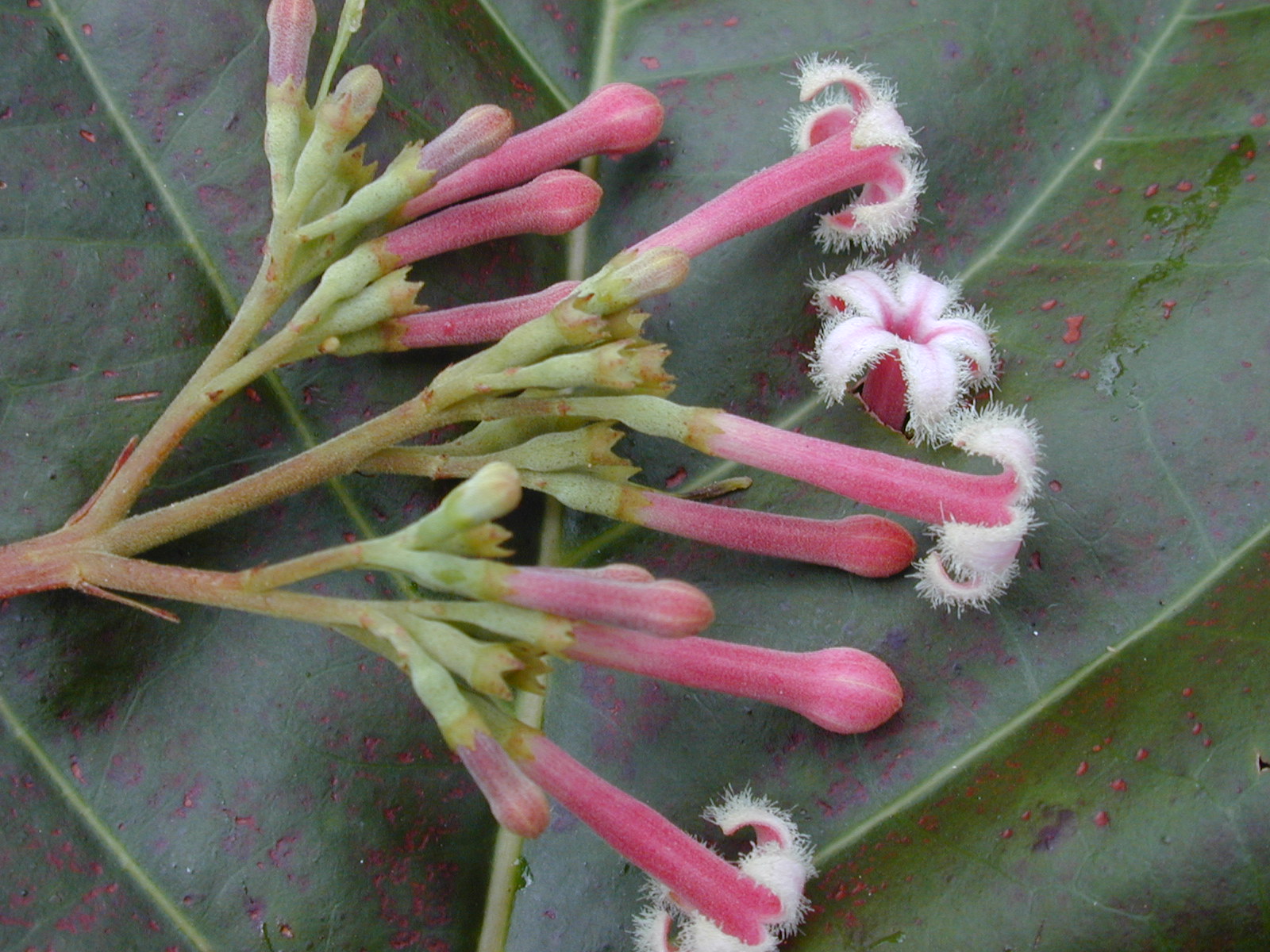
Cinchona Bark Becomes a Remedy for Fever
Bark from Andean trees gave Europe its first effective treatment for malaria.
In 1638, the Spanish chronicler Fray Antonio de La Calancha noted that a tree growing near Loja, in modern Ecuador, produced bark capable of suppressing fevers. According to his account, grinding an amount of bark weighing about two coins into water created a drink that relieved tertians, the cyclical fevers characteristic of malaria. Whether Andean populations used the bark prior to Spanish colonization remains uncertain in modern scholarship, but knowledge of its febrifugal qualities spread rapidly through the region. Members of the Jesuit order took an active role in circulating the remedy, transporting it across the Atlantic as Peruvian bark or Jesuit's powder.
Early European explanations of how the remedy came to light relied on romantic narratives rather than reliable evidence. In 1663, the Italian physician Sebastiano Bado recorded that the Countess of Chinchón, wife of the Viceroy of Peru, was cured of a severe fever in Lima during the 1630s and later distributed the medicine in Europe. Later research by historians, particularly Haggis, discredited this account as a legend. The viceroy's first wife died before his appointment, and official diaries from the period recorded that his second wife suffered no such fevers, even while the viceroy himself experienced frequent malarial attacks. When Carl Linnaeus formally classified the genus in 1742, he nonetheless named it Cinchona in honor of the traditional tale.

Keep reading in Yester
Coming soon to the App Store
Keep following the story


Sources
- Discovery of Cinchona as Antimalarial, Viceroyalty of Peru, Circa 1630 (Emerging Infectious Diseases, CDC)
- Quinine, an old anti-malarial drug in a modern world: role in the treatment of malaria (Malaria Journal, via PubMed Central)
- Cultivating cinchona trees (King's College London Archives and Special Collections)
- Cinchona (Gale reference, via Encyclopedia.com)
- Cinchona
Image: Forest & Kim Starr