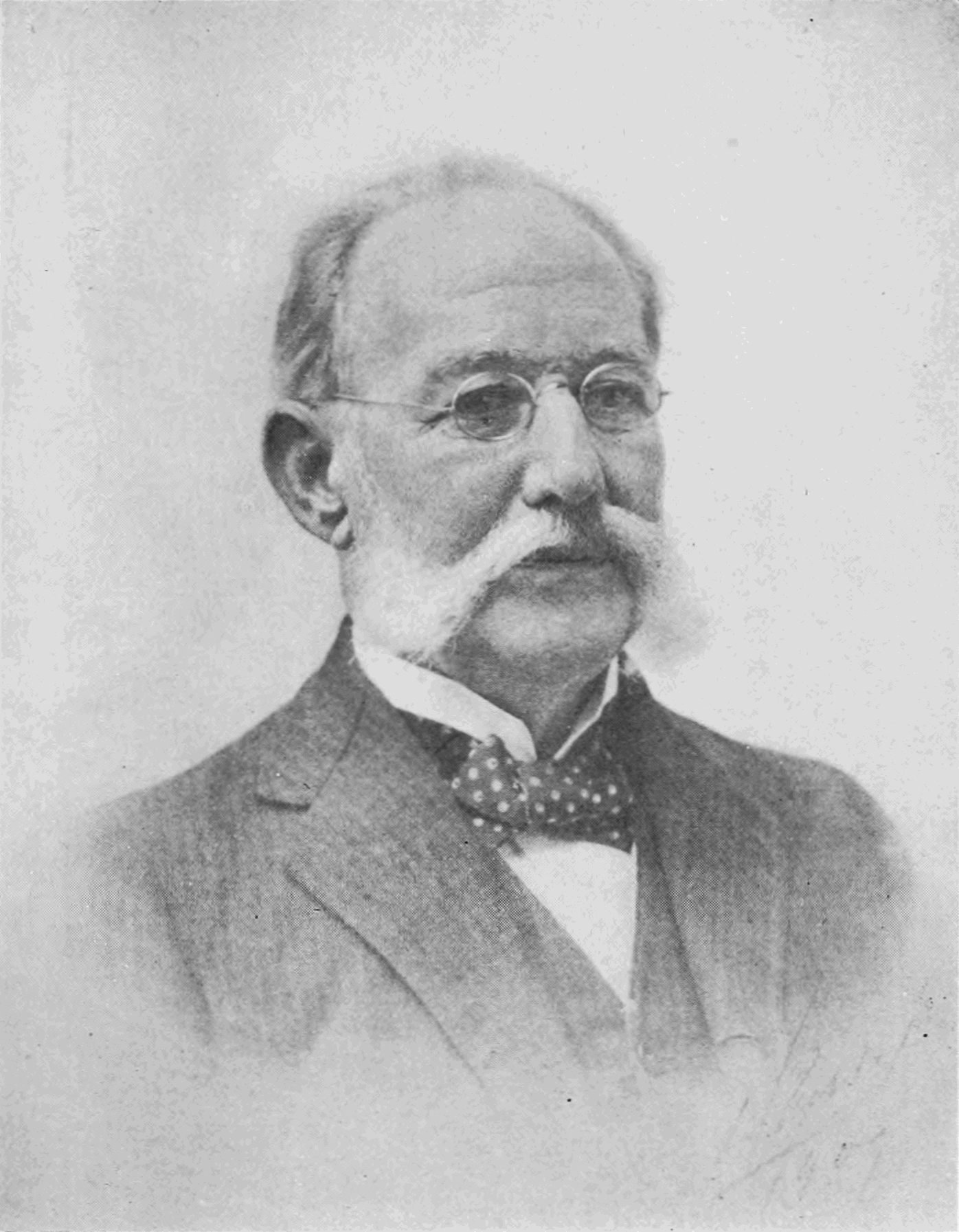
Carlos Finlay Points to the Mosquito Behind Yellow Fever
A long-ignored hypothesis later reshaped the control of a deadly disease.
In February 1881, the Cuban physician Carlos Juan Finlay presented a radical proposal at the International Sanitary Conference in Washington. At a time when conventional medicine attributed the spread of yellow fever to direct contagion or environmental miasmas, Finlay suggested that an external biological agent transferred the illness between human hosts. In August of that year, in a paper read before Havana's Academy of Sciences, he named the likely carrier: a mosquito that, after biting an infected individual, could transmit the disease by biting a healthy person. Rather than receiving serious consideration, his proposal met widespread skepticism and open ridicule from contemporary medical authorities.
Finlay had formulated this vector hypothesis following extensive medical training and broad scientific investigation. Born in Puerto Príncipe, Cuba, to a Scottish father and a French mother, he pursued his education through European travels interrupted by illness before entering Jefferson Medical College in Philadelphia. There, guided by Silas Weir Mitchell, who became his preceptor and friend, he graduated in 1855. After further studies in Paris and establishing a medical practice in Havana, he joined Havana's Royal Academy of Medical, Physical and Natural Sciences, publishing on subjects ranging from cholera to leprosy while concentrating primarily on yellow fever.

Keep reading in Yester
Coming soon to the App Store
Keep following the story
Sources
- Carlos Finlay (1833-1915), The Great Fever (PBS American Experience)
- Carlos Juan Finlay, 10 Notable Jefferson Alumni of the Past (Thomas Jefferson University Archives)
- Finlay, Carlos Juan (Encyclopedia.com, from Complete Dictionary of Scientific Biography and Encyclopedia of World Biography)
- Carlos Finlay
Image: Unknown author Unknown author