Rokeya Turns an Argument for Equality into a School
Rokeya imagined women running a world transformed by learning. Building a school for Muslim girls required a different kind of invention: making attendance possible.
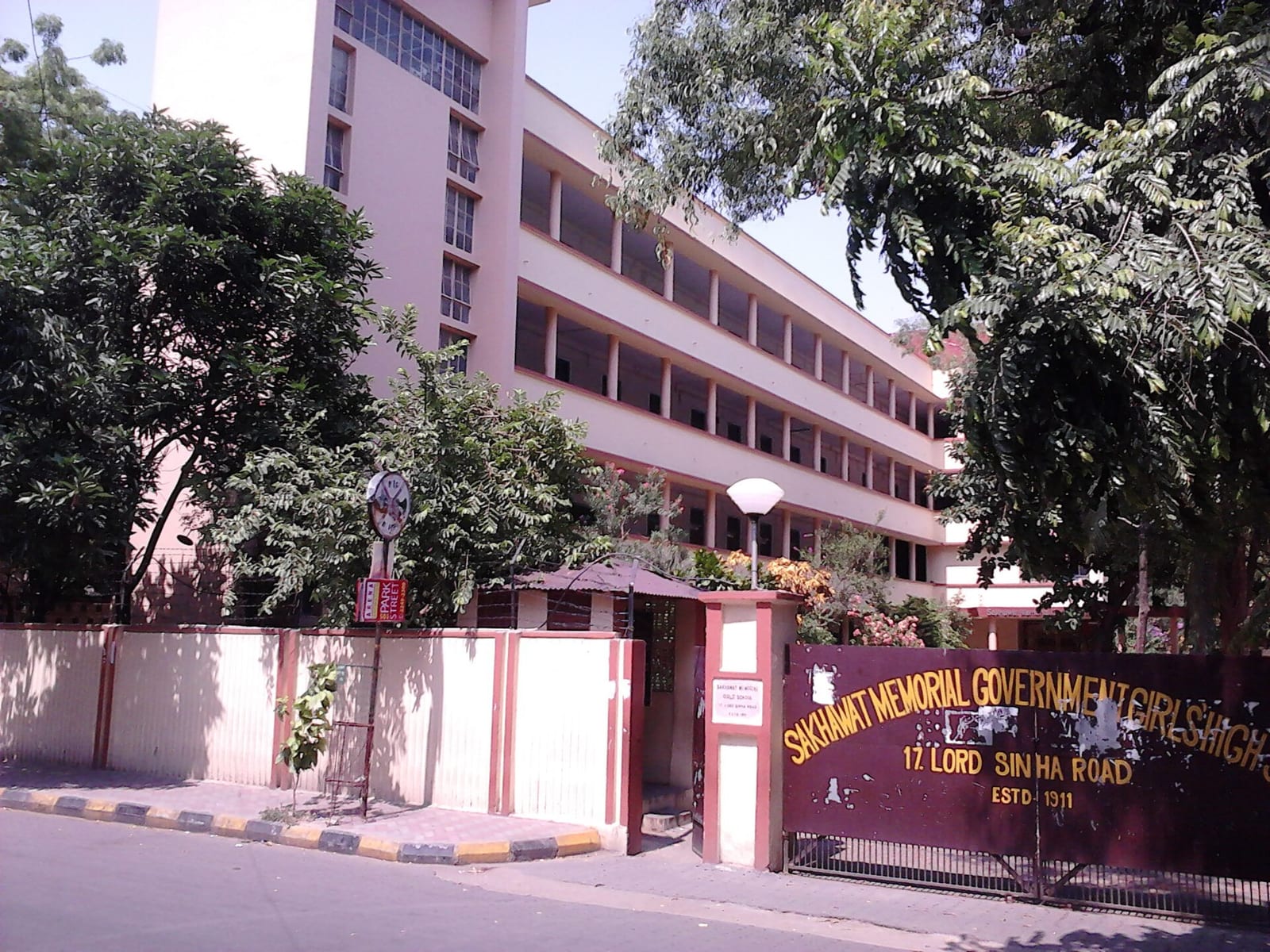
A school begins with something more difficult than announcing that education is important: persuading families that their daughters can actually attend. Rokeya Sakhawat Hossain faced that task when she established her school in Calcutta in March 1911, following an earlier attempt in Bhagalpur. The institution honored her late husband’s name, but its survival depended on her continuing labor. Rooms, pupils, teachers, transport and parental trust had to be assembled into a routine that could last beyond an opening day.
Rokeya grew up in Bengal, in what is now Bangladesh, amid restrictions on women’s access to learning. She acquired Bengali and English with help from relatives and developed a writing life that challenged the assumption that intellectual dependence was natural. Her criticism was not an argument that every inherited practice could be discarded without negotiation. It was an insistence that arrangements denying women knowledge and agency could be examined, questioned and changed rather than treated as beyond discussion.

Keep reading in Yester
Coming soon to the App Store
Keep following the story
Sources
Image: Biswarup Ganguly