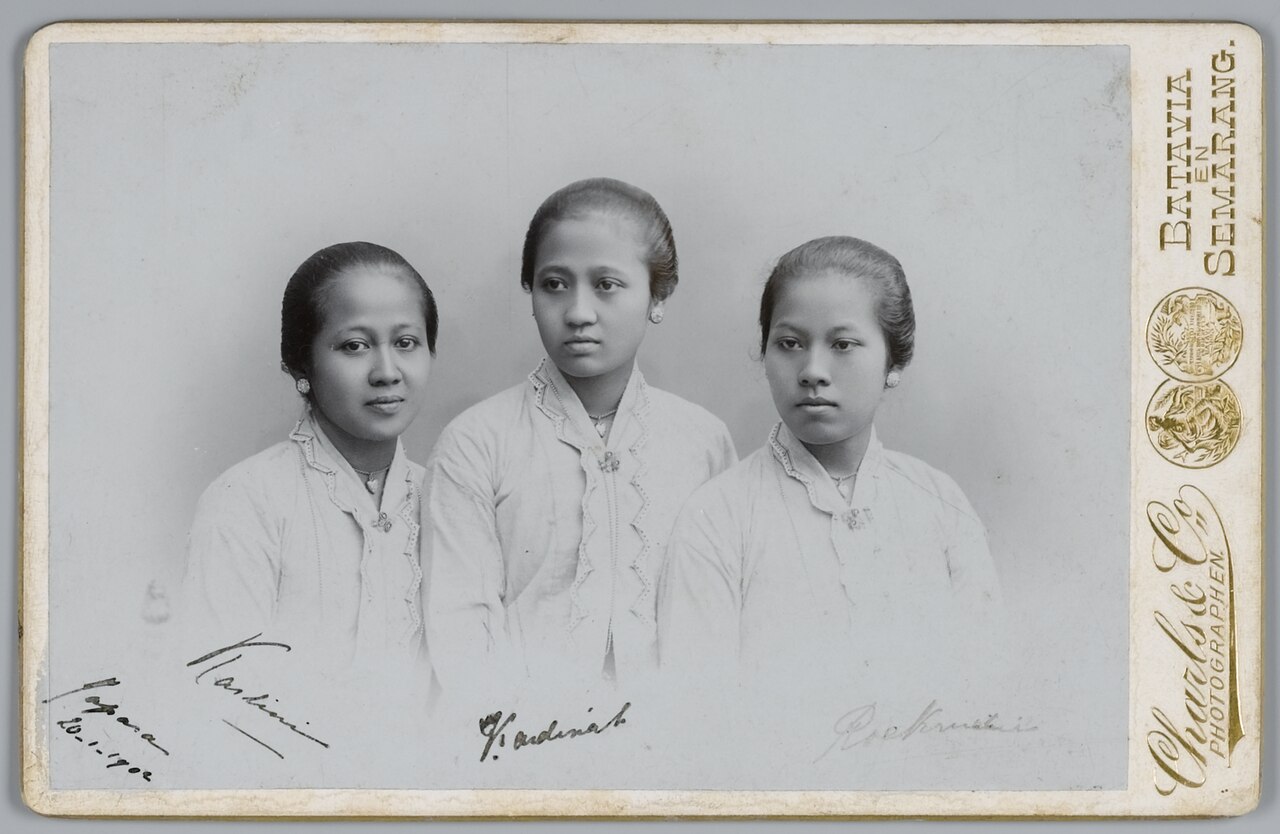
Kartini’s Letters Refuse the Limits of a Closed Door
Letters written by a young Javanese woman became a lasting argument for education. Their publication also raises a question: who gets to edit the voice of a reformer?
Kartini’s letters traveled beyond boundaries she could not easily cross herself. Born into a Javanese aristocratic family under Dutch colonial rule, she received some schooling but faced restrictions tied to gender, status and expectations of marriage. Writing to correspondents abroad became a means of examining those restrictions. When a selection of her letters was published in Dutch in 1911, seven years after her death, a private practice of intellectual exchange acquired a much wider public life.
Education was central to her argument because it changed what a person could understand and attempt. Kartini wanted opportunities for girls that were more substantial than training to perform a narrow social role. Her concerns also extended to health, economic conditions, art and the relationship between Javanese people and colonial institutions. Reducing her to an image of a dutiful woman politely requesting a little schooling removes much of the curiosity and criticism that made her writing consequential.

Keep reading in Yester
Coming soon to the App Store
Keep following the story

Sources
- Letters, Kartini: advocate of women's rights (Leiden University Libraries)
- Kartini, Kartini: advocate of women's rights (Leiden University Libraries)
- Legacy, Kartini: advocate of women's rights (Leiden University Libraries)
- Door duisternis tot licht, with prefaces by J. H. Abendanon (Project Gutenberg edition)
- Kartini’s life and publication history
- Kartini schools
Image: Charls & Co. (Batavia-Semarang)