The Aligarh Movement Makes Education a Political Question
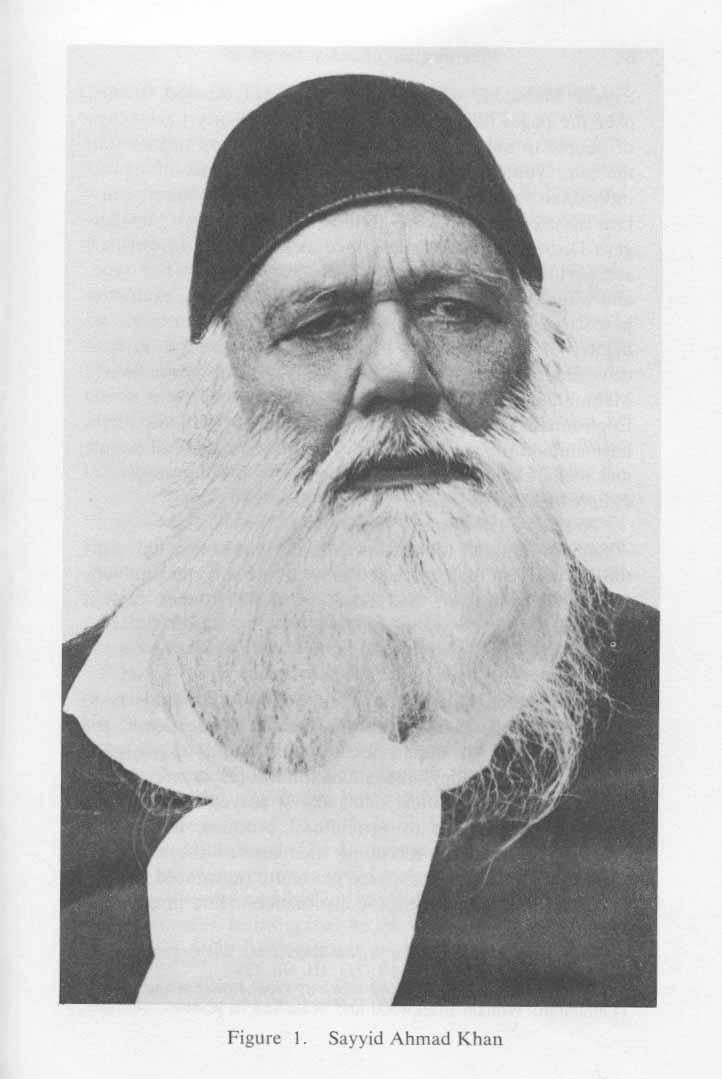
Sayyid Ahmad Khan promoted new forms of learning for Muslims in colonial India. Building institutions also meant confronting disagreements about language, authority and relations with British power.
Following the suppression of the Indian Rebellion of 1857 and the end of the Mughal Empire, British colonial rule expanded across the Indian subcontinent. Observing what he viewed as severe cultural, social, and educational decline among Indian Muslims under the new administrative order, Sir Syed Ahmad Khan sought to restructure Muslim learning. He attributed this deterioration largely to existing systems of instruction, advocating instead for the adoption of Western scientific curricula and modern arts to enable communities to adapt to contemporary civic life.
Early practical steps began outside Aligarh with the establishment of local schools at Moradabad in 1858 or 1859 and Ghazipur in 1863. To make unfamiliar disciplines accessible, Syed Ahmad Khan established the Scientific Society in 1864, which aimed to translate Western scientific and literary works into Indian languages such as Urdu. Later based at Aligarh, the organisation disseminated reformist ideas through periodicals including The Aligarh Institute Gazette and the social journal Tehzeeb-ul-Akhlaq.

Keep reading in Yester
Coming soon to the App Store
Keep following the story
Sources
Image: Unknown author Unknown author