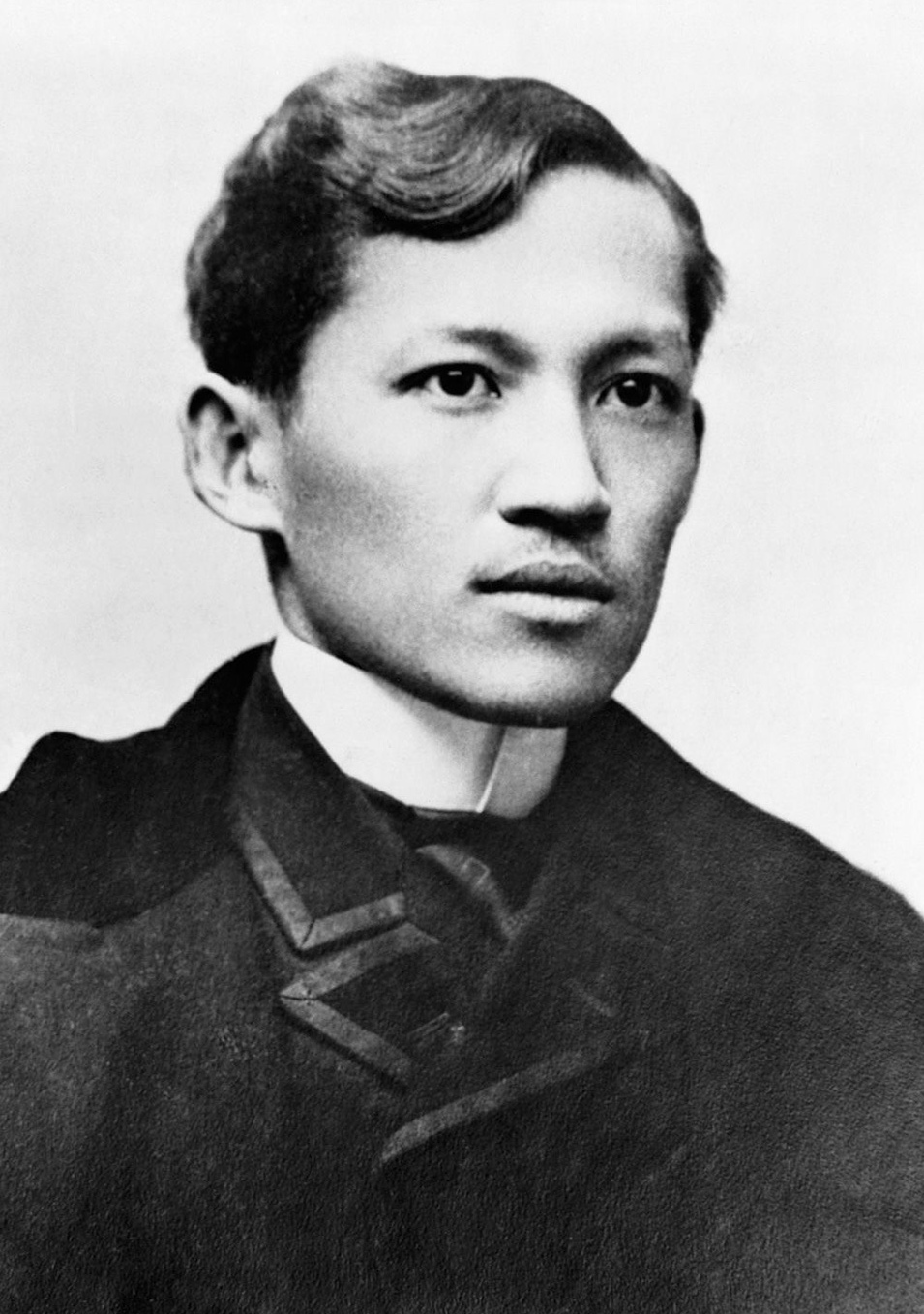
José Rizal Turns a Novel into a Challenge to Colonial Rule
Noli Me Tangere exposed the workings of colonial society through fictional lives. Its author’s fate would make the distance between a book and a revolution painfully small.
José Rizal’s Noli Me Tangere appeared in Berlin in 1887, but its subject was the Philippines. Through fictional characters, the novel examined a colonial society in which religious authority, social ambition and official power could reinforce one another. Its force came partly from making those relationships visible inside ordinary lives. A reformer returning with hopeful plans, a family vulnerable to accusation and people unable to defend their dignity were not abstract examples in a political pamphlet. They inhabited a world readers could recognize.
Rizal was a physician and writer whose education and travels placed him in contact with debates beyond the Spanish colony. That mobility did not separate him from Philippine concerns. It gave him additional means to investigate and address them, including the ability to publish abroad. Noli was written in Spanish, the language of colonial administration and educated debate rather than the everyday language of most inhabitants. Its audience and later influence therefore depended on discussion, translation and circulation as well as direct reading.

Keep reading in Yester
Coming soon to the App Store
Keep following the story
Sources
Image: unknown author