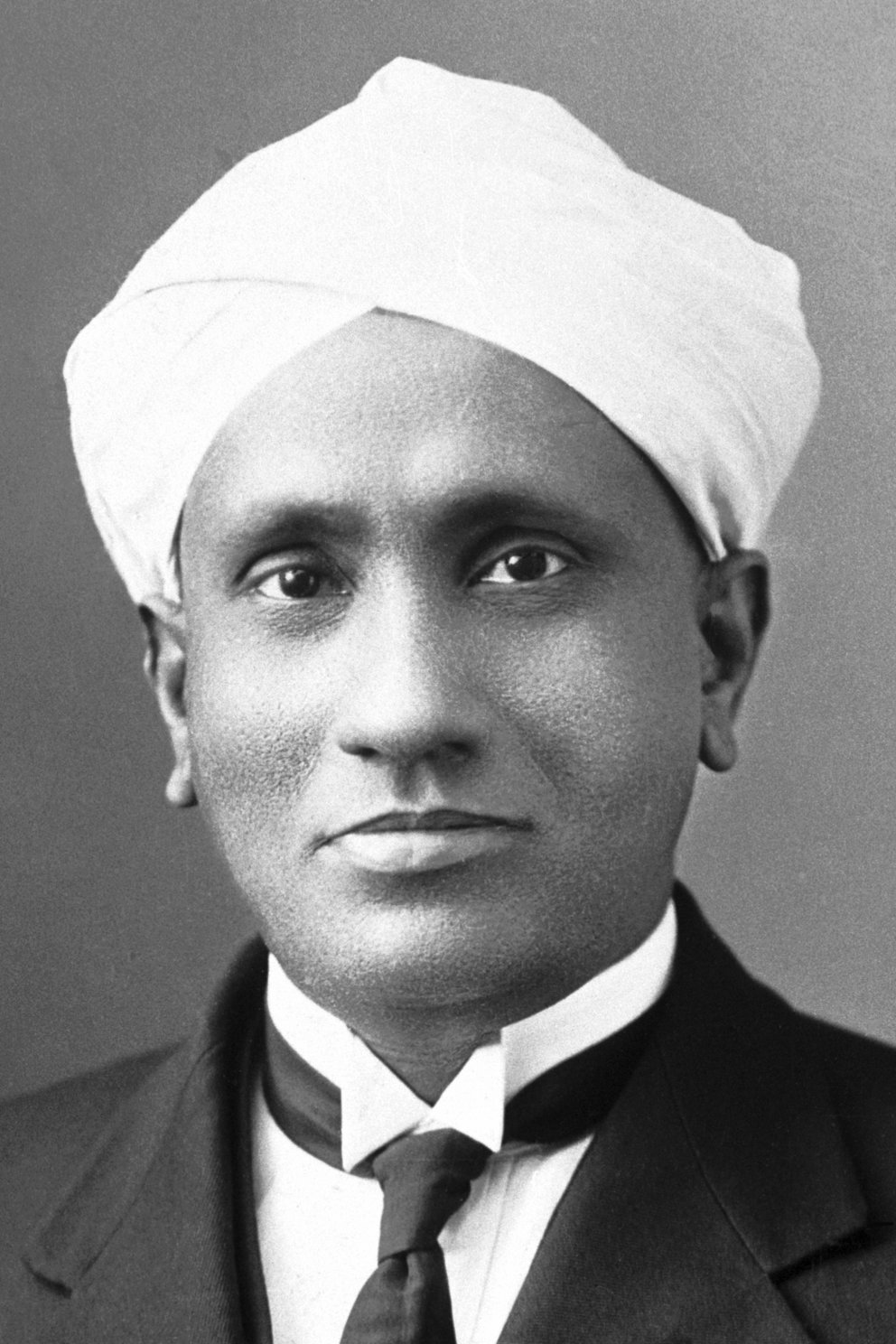
The Faint Light That Revealed a Molecular Fingerprint
In a Calcutta laboratory, C. V. Raman and K. S. Krishnan studied a tiny change in scattered light. It opened a way to identify matter without taking it apart.
Most of the light scattered by a transparent material comes back with its color unchanged. A very small fraction does something different. In February 1928, C. V. Raman and K. S. Krishnan, working in Calcutta, established that this faint altered light was a real physical effect. What might easily have been dismissed as an experimental nuisance became a way of asking matter about its internal structure. The crucial evidence was not brightness, but a measurable change in frequency.
Raman’s route into research had not begun with a full-time laboratory appointment. He worked in the Indian Finance Department while carrying out experiments at the Indian Association for the Cultivation of Science. In 1917 he moved to a university physics chair. His interests included sound and musical instruments as well as optics. That background is useful because it presents scientific work as an accumulation of questions and practice, rather than a single flash of insight detached from years of preparation.

Keep reading in Yester
Coming soon to the App Store
Keep following the story
Sources
Image: Nobel Foundation