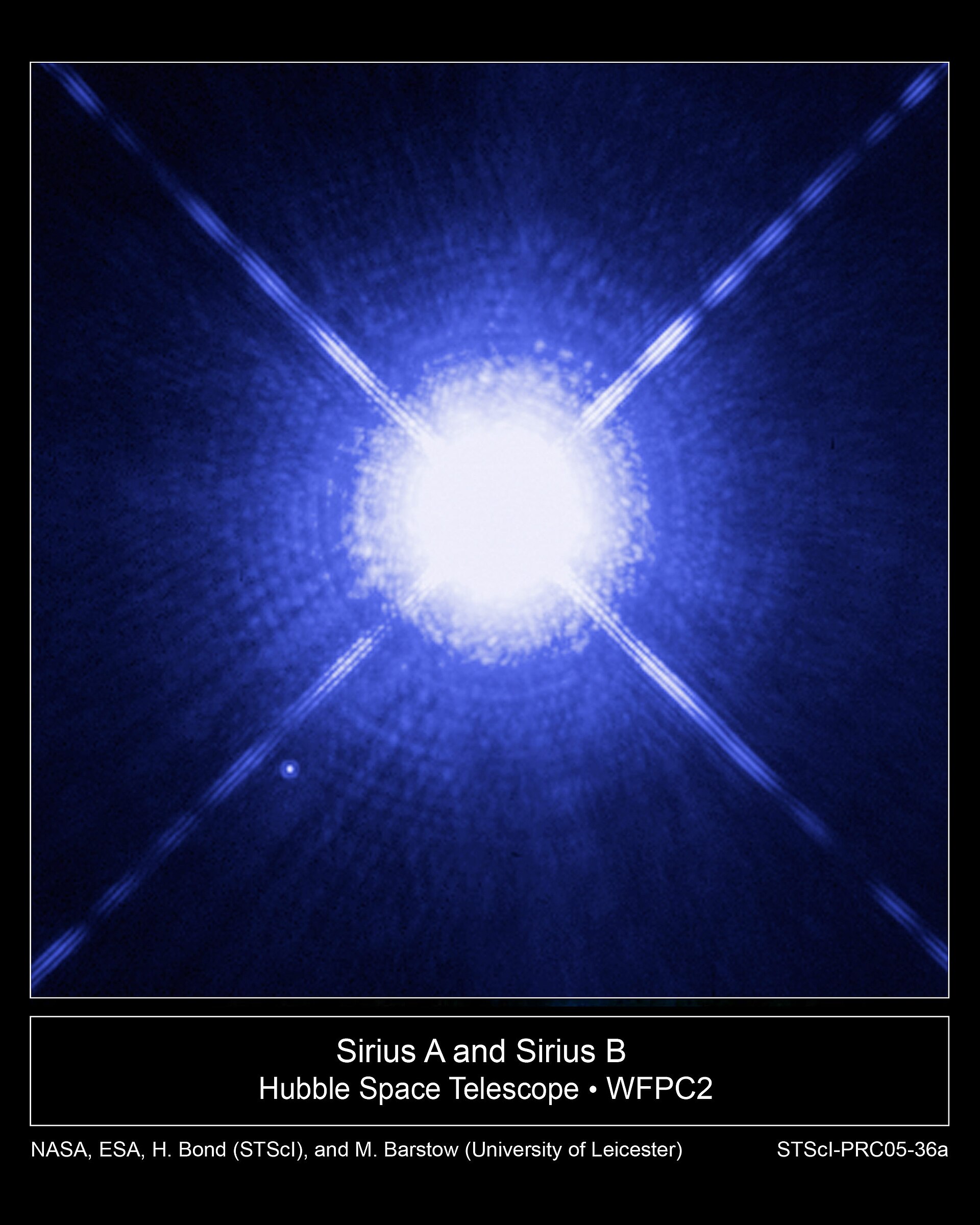
Chandrasekhar Calculates the Limit of a White Dwarf
A young Indian physicist worked out when a dying star must collapse.
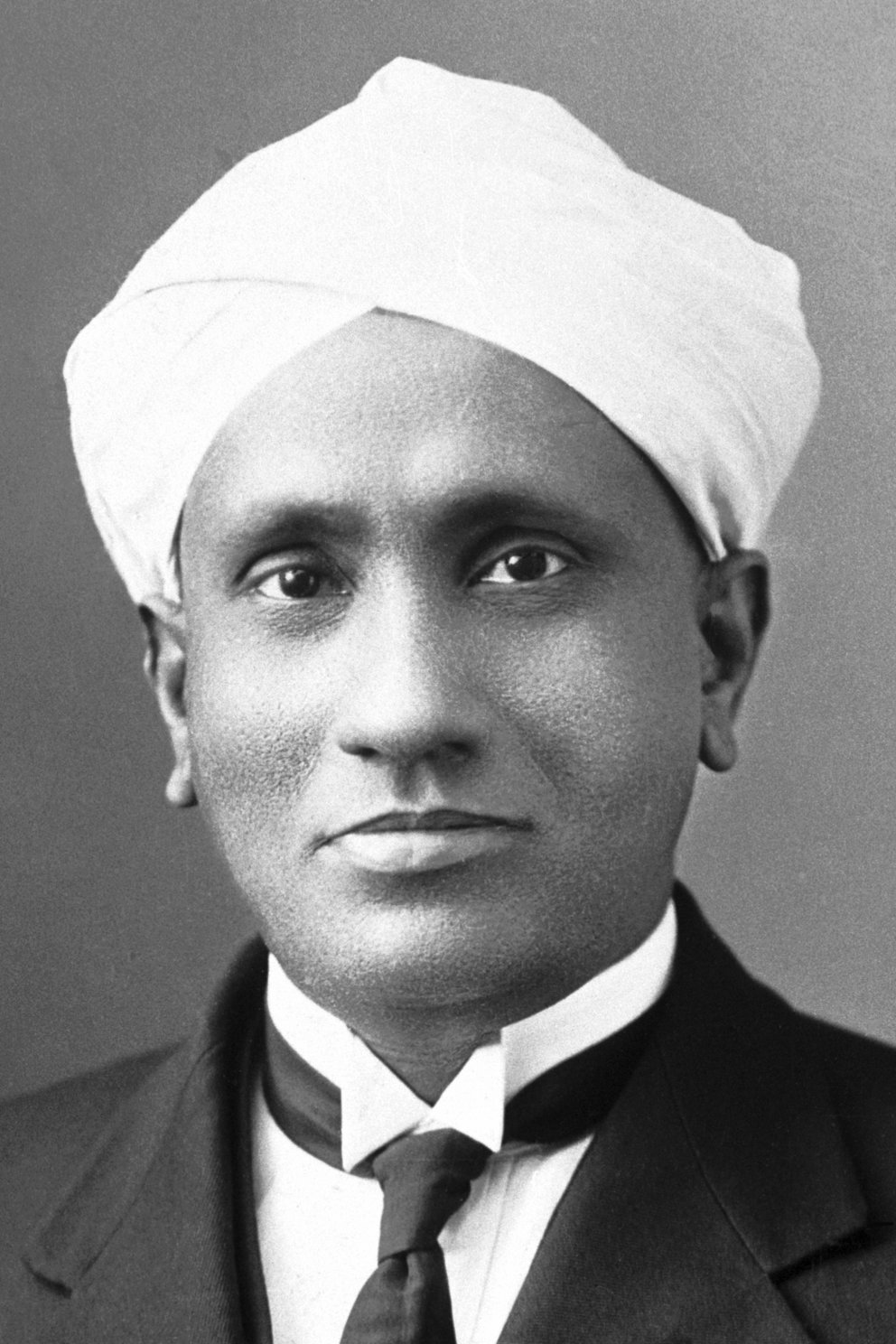
During a sea voyage from India to England in 1930, the nineteen-year-old Indian physicist Subrahmanyan Chandrasekhar turned his attention to the fate of dying stars. White dwarfs were understood to be extremely dense stellar remnants sustained against gravity not by thermal radiation, but by electron degeneracy pressure. This quantum mechanical resistance arises from the Pauli exclusion principle, which prevents electrons from occupying identical energy states and forces them into higher energy bands under compression. Chandrasekhar set out to determine whether this pressure could support a cooling star of any arbitrary size.
Earlier theoretical work had laid the groundwork for this inquiry. In 1926, the British physicist Ralph H. Fowler showed that white dwarf matter could be modeled as a gas of nonrelativistic electrons and nuclei governed by Fermi-Dirac statistics. Building on Fowler's insight, Edmund Clifton Stoner and Wilhelm Anderson soon attempted to calculate stellar equilibrium. Anderson and Stoner derived early upper mass boundaries under the simplifying assumption of uniform density. Working independently aboard ship, Chandrasekhar adopted polytropic models that allowed the star to remain in true hydrostatic equilibrium, combining relativistic mechanics with the degenerate Fermi gas equations.

Keep reading in Yester
Coming soon to the App Store
Keep following the story
Sources
- The Chandrasekhar-Eddington dispute (MacTutor, University of St Andrews)
- About Chandra: Subrahmanyan Chandrasekhar (Chandra X-ray Center, Harvard-Smithsonian)
- Subrahmanyan Chandrasekhar: Biographical (NobelPrize.org)
- The Nobel Prize in Physics 1983: Summary (NobelPrize.org)
- Star Types (NASA Science)
- Chandrasekhar limit
Image: NASA, H.E. Bond and E. Nelan (Space Telescope Science Institute, Baltimore, Md.); M. Barstow and M. Burleigh (University of Leicester, U.K.); and J.B. Holberg (University of Arizona)