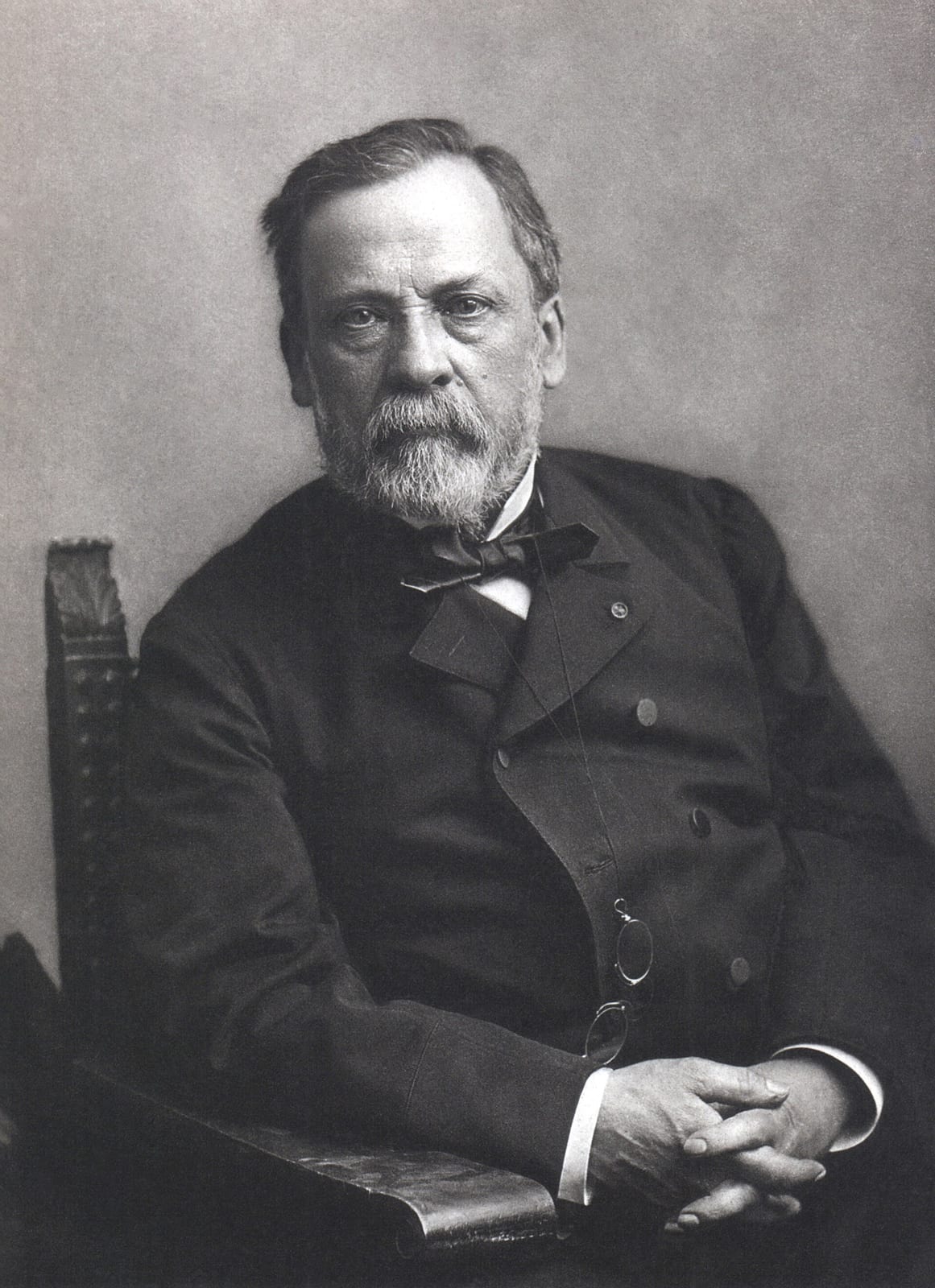
A Vaccine After the Bite
A bitten child arrived at Pasteur’s laboratory with no symptoms yet. The treatment that followed tested whether vaccination could act before a feared infection took hold.
Joseph Meister arrived in Paris in July 1885 after being badly bitten by a dog believed to have rabies. He was nine years old. His mother had brought him to Louis Pasteur’s laboratory because an ordinary medical visit could offer little reassurance against a disease so closely associated with death. The boy had wounds, but he had not developed rabies symptoms. That interval made the decision before Pasteur and his medical collaborators possible.
Pasteur was a chemist, not a physician. His work on microbes had already reshaped explanations of fermentation and disease, and his laboratory had been developing an approach to rabies through experiments in animals. Moving from that work to a child was a grave step, not a routine application of an established human vaccine. Physician Jacques-Joseph Grancher played a crucial role in the decision and administered the treatment. The familiar image of Pasteur alone giving a lifesaving injection leaves out that clinical responsibility.

Keep reading in Yester
Coming soon to the App Store
Keep following the story
Sources
Image: Paul Nadar