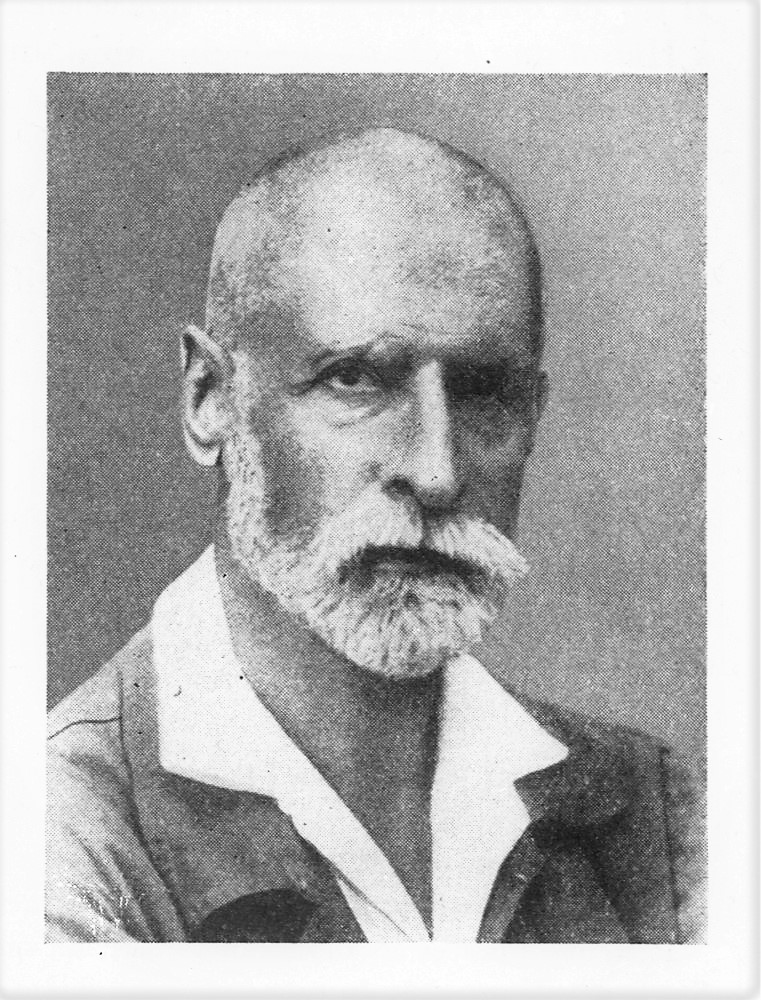
A Hong Kong Epidemic Reveals the Plague Bacterium
During a deadly outbreak, researchers identified the organism behind plague. Naming the bacterium was a breakthrough, but explaining transmission and protecting people required much more.
In 1894, plague reached Hong Kong and turned a crowded trading port into a place of fear. People were dying while physicians argued about the disease and officials imposed emergency measures. Researchers arriving to study the outbreak faced more than an abstract scientific puzzle. They were working amid suffering, disrupted households and a colonial administration whose interventions were not automatically trusted by the population. A discovery would have to emerge from that unsettled environment.
Two investigators became especially associated with the search: the Japanese bacteriologist Kitasato Shibasaburō and the Swiss-born Alexandre Yersin, who had worked at the Institut Pasteur. They arrived in Hong Kong in June and carried out their investigations separately. The history of credit has been disputed because early reports and descriptions did not agree cleanly. Yersin’s observations became foundational to the identification of the organism now called Yersinia pestis, but the episode should not erase Kitasato’s simultaneous research.

Keep reading in Yester
Coming soon to the App Store
Keep following the story
Sources
Image: Réf. image : 03085 Yersin (Alexandre) 20e siècle Ouvrage : Recherches, découvertes et inventions de médecins suisses Edition : Bâle : Ciba Société, 1946 Cote : 160843 Empl. de l'image : p. 117 Technique : Impr. photomécanique - Photogravure