The Trial That Changed the Fear of Polio
Families had volunteered their children for an enormous vaccine trial. In 1955, its results offered a way to prevent a disease that had made ordinary summers frightening.
On April 12, 1955, an announcement in Ann Arbor, Michigan, changed what millions of parents could hope for. Thomas Francis Jr. reported the results of a vast field trial of Jonas Salk’s polio vaccine. The evidence showed strong protection against paralytic disease. The news was not simply that a scientist had made a promising preparation. A large, organized test had shown that it could prevent an outcome families had learned to dread.
Polio’s terror came partly from its unevenness. Many infections did not produce paralysis, but some damaged the nervous system, leaving lasting disability or affecting the muscles needed for breathing. A child could move from ordinary life into a hospital ward with frightening speed. Images of leg braces and iron lungs became part of the disease’s public identity. They represented not every infection, but the possibility that made each new outbreak feel threatening.

Keep reading in Yester
Coming soon to the App Store
Keep following the story
Sources
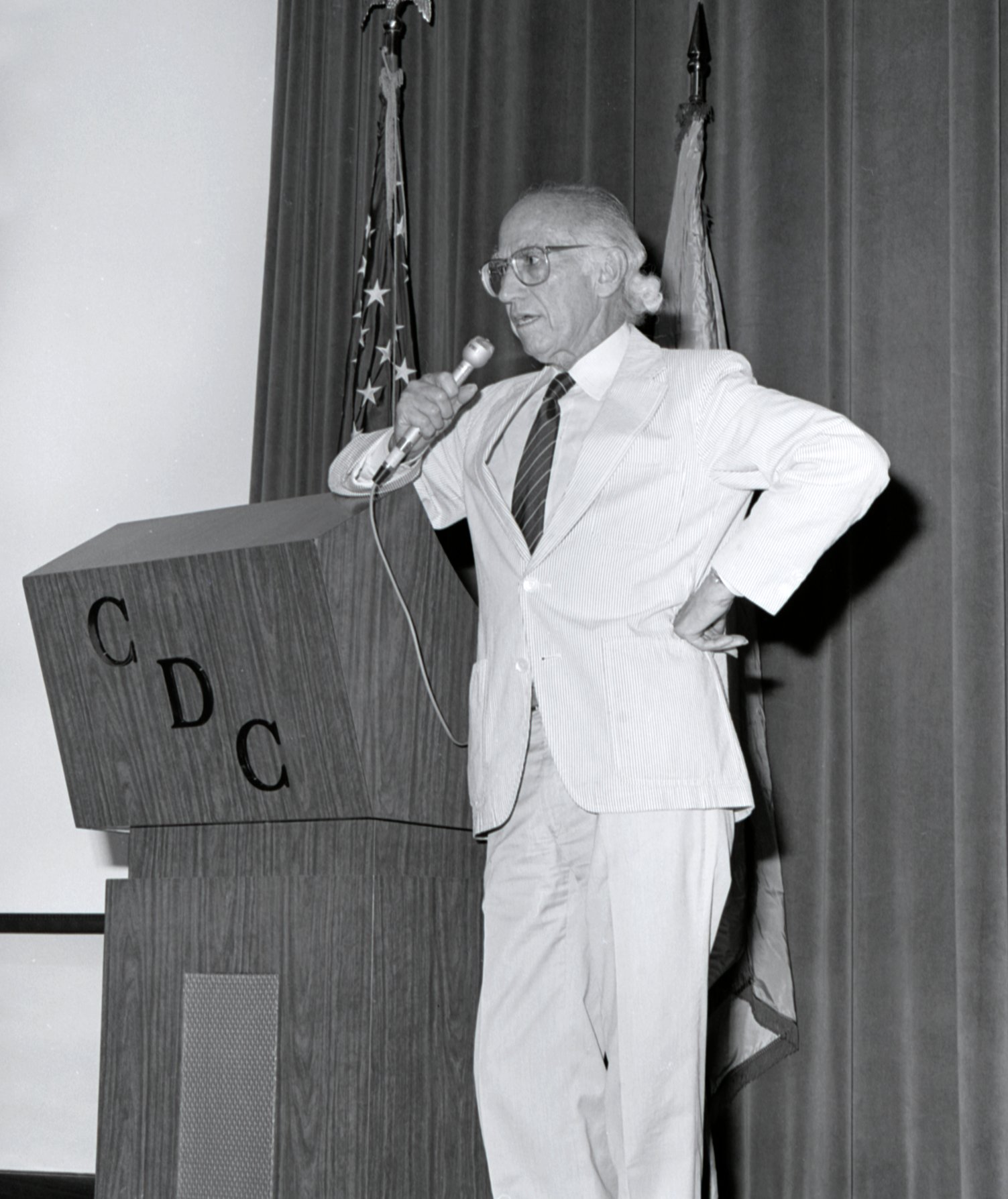
Image: CDC