The Mold That Needed a Team
A contaminated dish revealed penicillin. Turning that discovery into a medicine required years of experiments, scarce supplies and a production effort across the Atlantic.
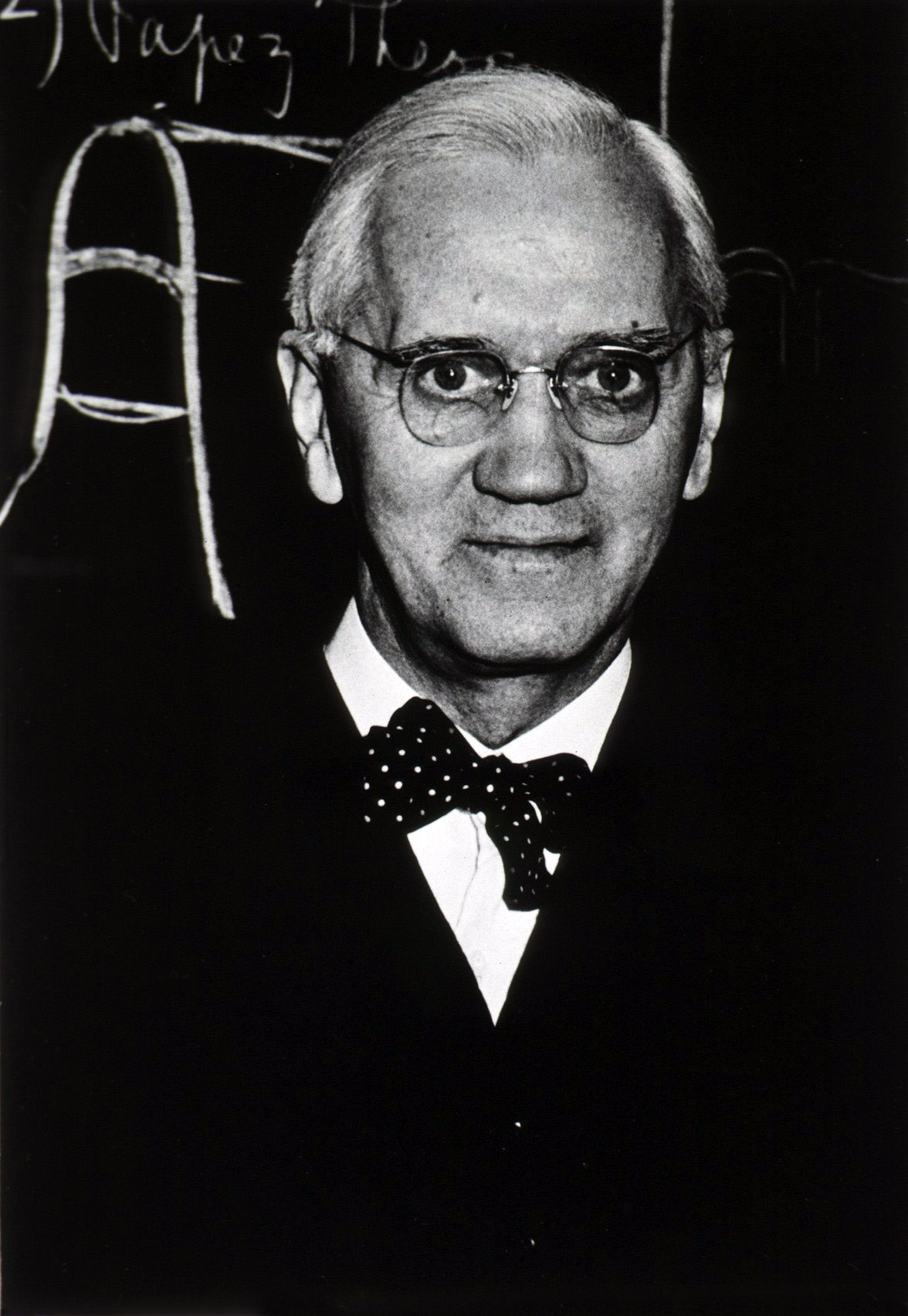
In 1928, Alexander Fleming noticed something that might easily have been dismissed as a spoiled experiment. A mold had contaminated a dish of bacteria in his London laboratory, but the bacteria near it had disappeared. The empty area was the important part. Something produced by the mold was interfering with their growth. That observation began the story of penicillin, but it did not immediately put a new medicine into doctors’ hands.
Fleming investigated the effect and published his findings in 1929. The difficulty was turning an unstable substance in a culture into a preparation that could be made, measured and used reliably inside the body. The familiar story of accidental discovery compresses this distance almost to nothing. In practice, identifying a promising effect and delivering a treatment were different achievements, separated by years and by problems that required other people’s skills.

Keep reading in Yester
Coming soon to the App Store