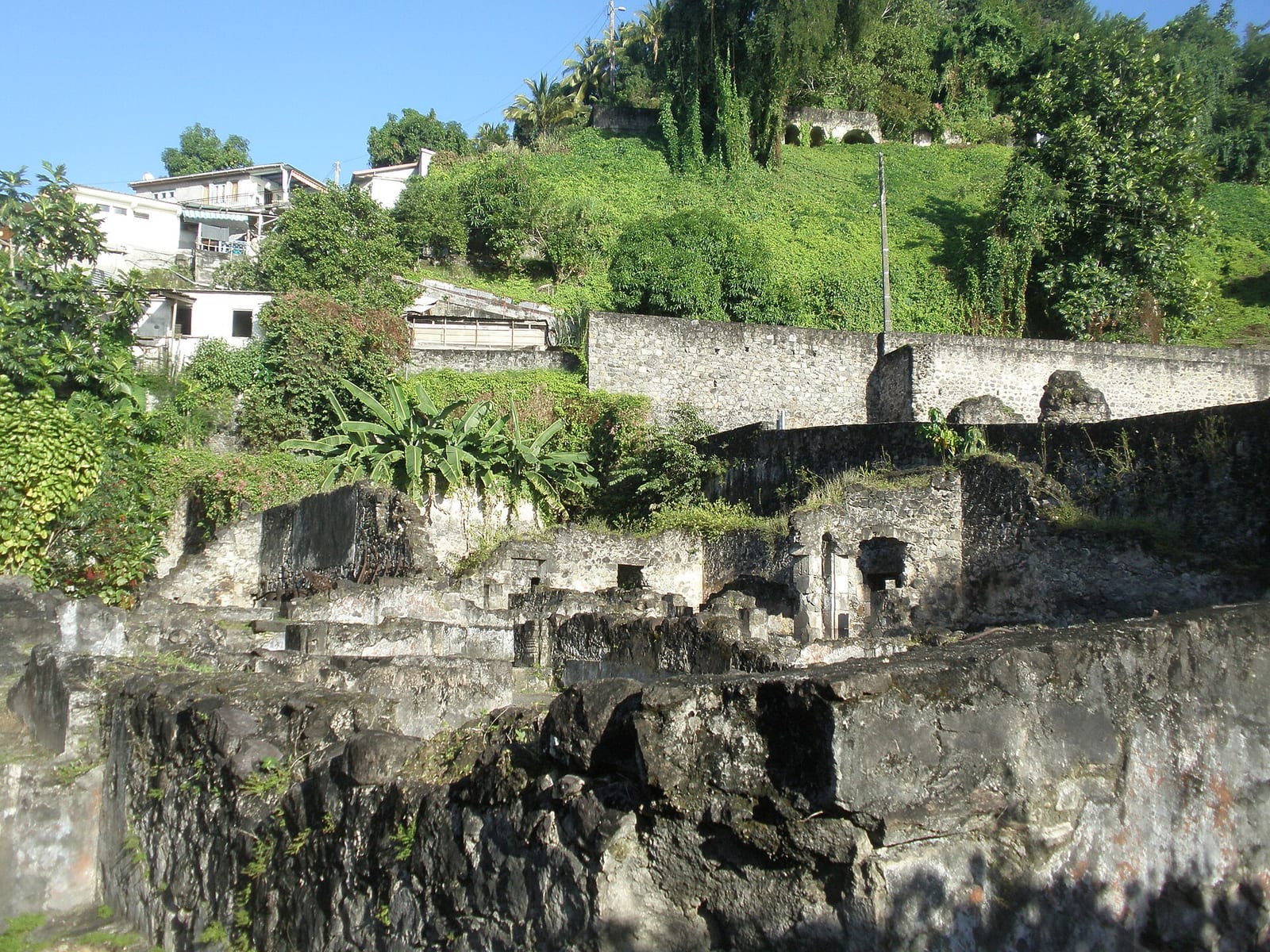
Mount Pelée Destroys Saint-Pierre
A volcanic disaster changed a Caribbean city and contributed to scientific understanding of deadly eruption currents.
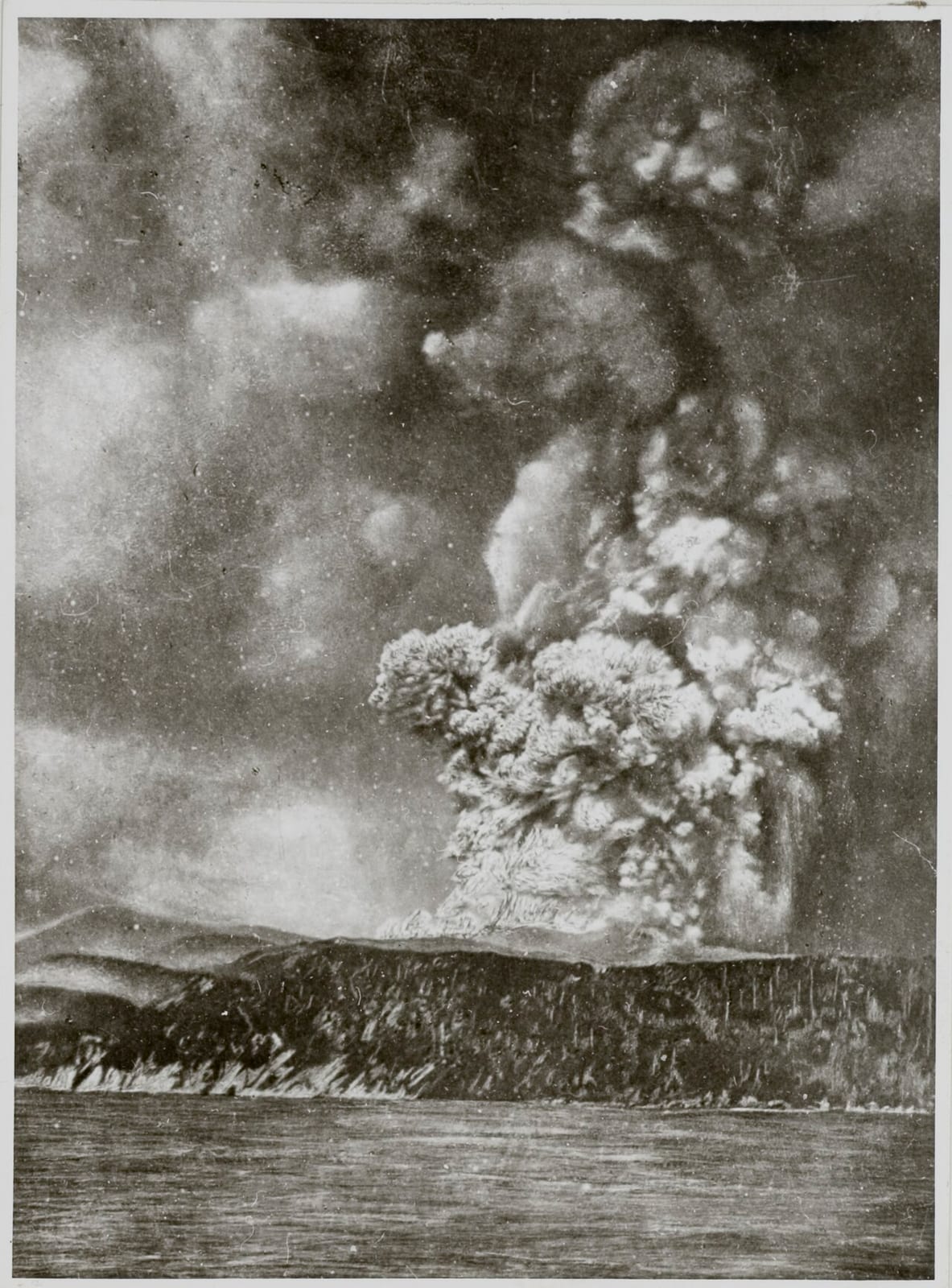
In late April 1902, Mount Pelée began a series of steam-driven phreatic explosions that disrupted daily life across the northern end of Martinique. Ash dusted nearby settlements, sulfurous odors drifted into Saint-Pierre several miles south, and tremors shook the surrounding landscape. By early May, the Étang Sec caldera had filled with boiling water, culminating on 5 May in the breach of a crater wall that unleashed a torrent of boiling mud down the Blanche River. This mudflow engulfed the Guérin sugar works, killing workers there in numbers that accounts report differently, and triggered coastal waves that damaged boats and harbor facilities.
Despite mounting signs of instability, thousands of rural residents took refuge in Saint-Pierre, swelling its population to around 28,000. Colonial authorities, including Governor Louis Mouttet, maintained that the urban center remained safe, and local publications urged calm while reassuring the public that concurrent activity on Saint Vincent had relieved pressure beneath the mountain. Though a few captains sailed out of the harbor despite administrative resistance, most civilians stayed behind, trapped by disrupted land routes, dense falls of white ash, and official discouragement of evacuation.

Keep reading in Yester
Coming soon to the App Store
Keep following the story
Sources
- Pelée eruption photos (SwissEduc Stromboli On-line)
- Pelée (Smithsonian Global Volcanism Program)
- Chronologie des éruptions de la montagne Pelée (stpierre1902.org)
- Le Morne-Rouge se souvient (Martinique la 1ère)
- How Volcanoes Work: The eruption of Mt. Pelée, Martinique (San Diego State University)
- Theodore Roosevelt, Message to Congress, May 12, 1902 (The American Presidency Project, UC Santa Barbara)
- 1902 eruption of Mount Pelée
Image: Thérèse Gaigé