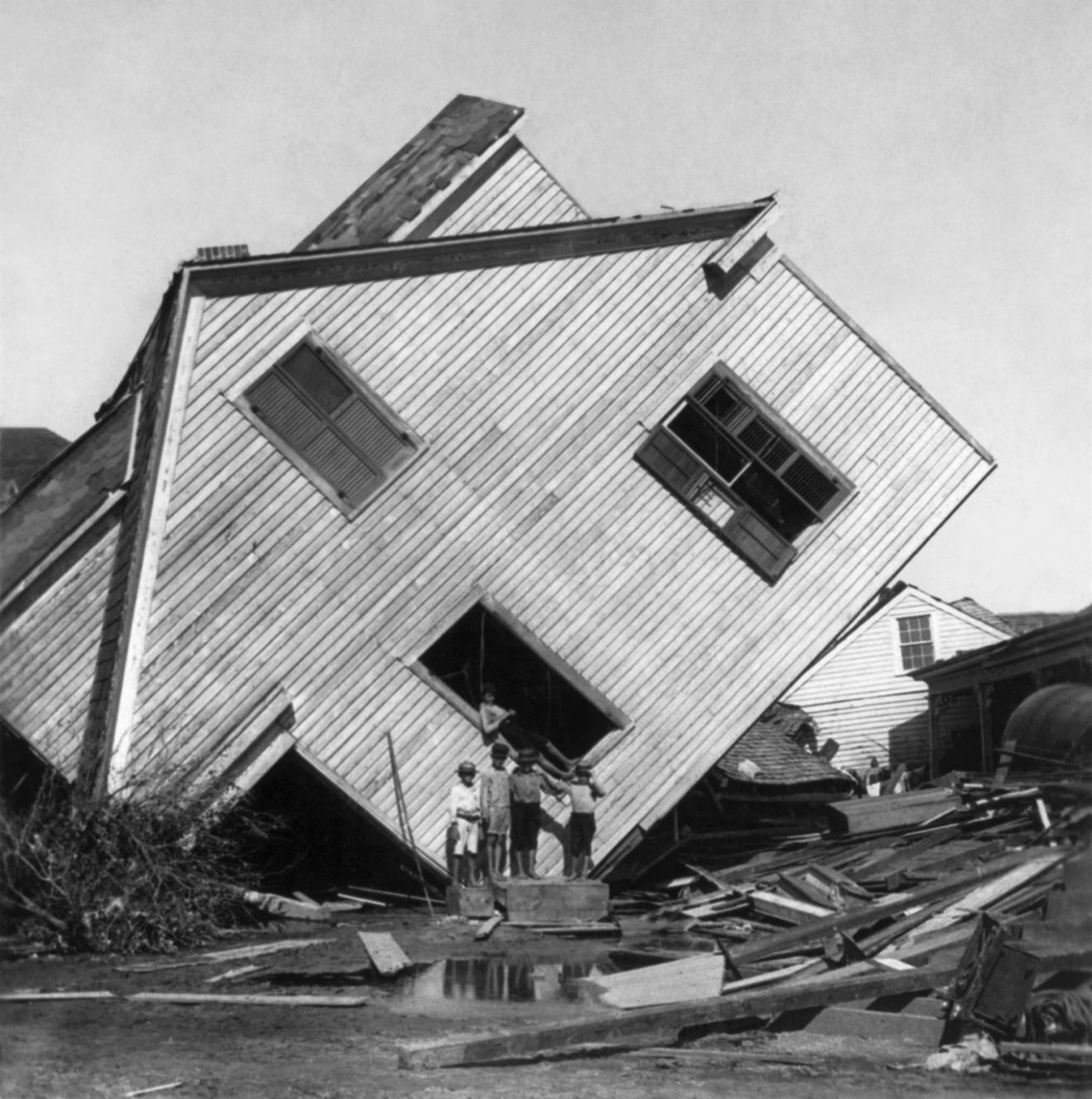
A Hurricane Destroys Galveston
The deadliest natural disaster in United States history struck a Texas port.
At the close of the nineteenth century, Galveston was a flourishing deep-water port on a barrier island off the Texas coast. Bolstered by commerce along its bustling Strand district, the municipality had grown to nearly 38,000 residents and ranked among the wealthiest cities per capita in the United States. Its geography, however, offered virtually no natural defense against severe weather. The island was essentially a flat sandbar whose highest elevation barely reached nine feet above sea level. Although earlier storms had wiped out the neighboring coastal port of Indianola, proposals to construct a defensive seawall were dismissed by municipal leaders. Forecasters and residents routinely assumed the city was immune to a truly devastating hurricane, an attitude reinforced by the removal of natural coastal sand dunes to facilitate urban expansion.
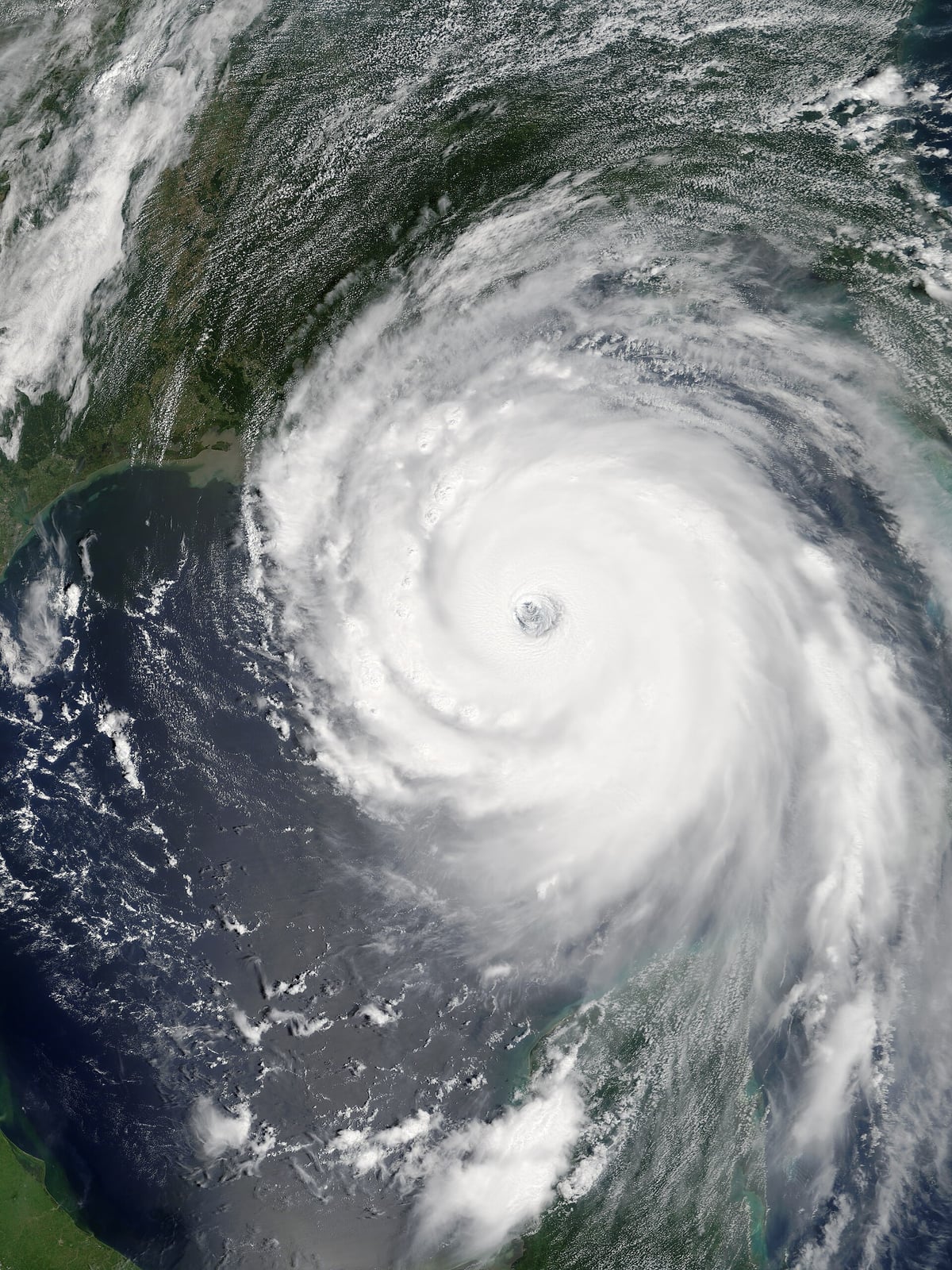
On September 8, 1900, that vulnerability proved fatal when an intense hurricane struck the island. First detected east of the Windward Islands late in August, the system had passed near or over Hispaniola and Cuba before intensifying over the warm waters of the Gulf of Mexico. Officials at the United States Weather Bureau in Washington had discounted warnings from meteorologists in Havana, who accurately anticipated the storm's westward trajectory. Instead, Bureau forecasters expected the storm to recurve to the northeast, and the hurricane watch was not extended to the Texas coast until September 7, the day before landfall. By the time hurricane-force winds arrived on the afternoon of September 8, rising water quickly submerged the low-lying island under a storm surge that exceeded fifteen feet.

Keep reading in Yester
Coming soon to the App Store
Keep following the story
Sources
- Galveston Hurricane of 1900, Handbook of Texas (Texas State Historical Association)
- 115th Anniversary of the Great Galveston Hurricane (NOAA Atlantic Oceanographic and Meteorological Laboratory)
- Upper Texas Coast Tropical Cyclones in the 1900s (National Weather Service Houston/Galveston)
- Galveston Storm of 1900: Isaac Cline's report (NWS Heritage, NOAA)
- Galveston Seawall and Grade Raising (American Society of Civil Engineers)
- Seawall (Galveston and Texas History Center, Rosenberg Library)
- 1900 Galveston hurricane
Image: Griffith & Griffith