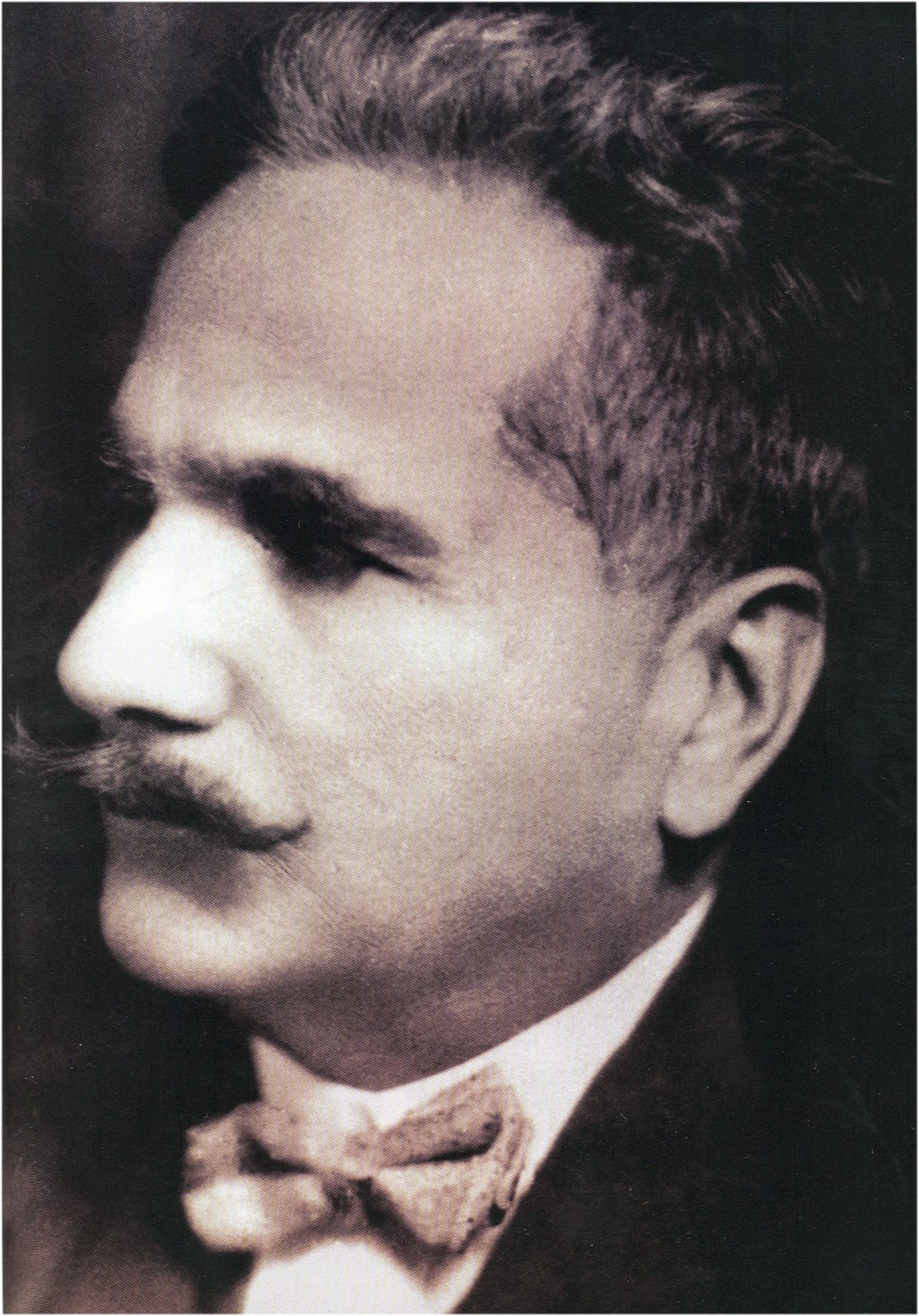
Iqbal’s Allahabad Address Imagines a Different Political Future
In 1930, a poet and thinker addressed the position of Muslims within India’s political future. The speech became influential, but it was not a complete blueprint for the state created in 1947.
On 29 December 1930, the philosopher and poet Muhammad Iqbal delivered his presidential address to the All-India Muslim League assembly in Allahabad. Standing before the delegates, he proposed that Punjab, the North-West Frontier Province, Sind, and Baluchistan be consolidated into a unified political body. He framed this autonomous arrangement in the northwest as either self-governing within the British Empire or completely outside it, portraying regional consolidation as the ultimate political destination for Muslims living in those territories.
This political formulation grew out of Iqbal's distinct intellectual journey. Born in Sialkot, he pursued legal and philosophical studies in Britain and Germany, writing a doctoral thesis on Persian metaphysics at Munich before returning to Lahore to practice law and teach. Alongside his professional career, he produced extensive Urdu and Persian poetry, articulating philosophical concepts of individual and spiritual self-realization while reflecting on the collective vitality of the global Muslim community.

Keep reading in Yester
Coming soon to the App Store
Keep following the story
Sources
Image: Iqbal Academy Pakistan