The Canal That Changed the Route Between Oceans
The Panama Canal shortened a sea journey by carrying ships through a landscape rebuilt around locks and a lake. Its engineering achievement cannot be separated from the people who paid its human cost.
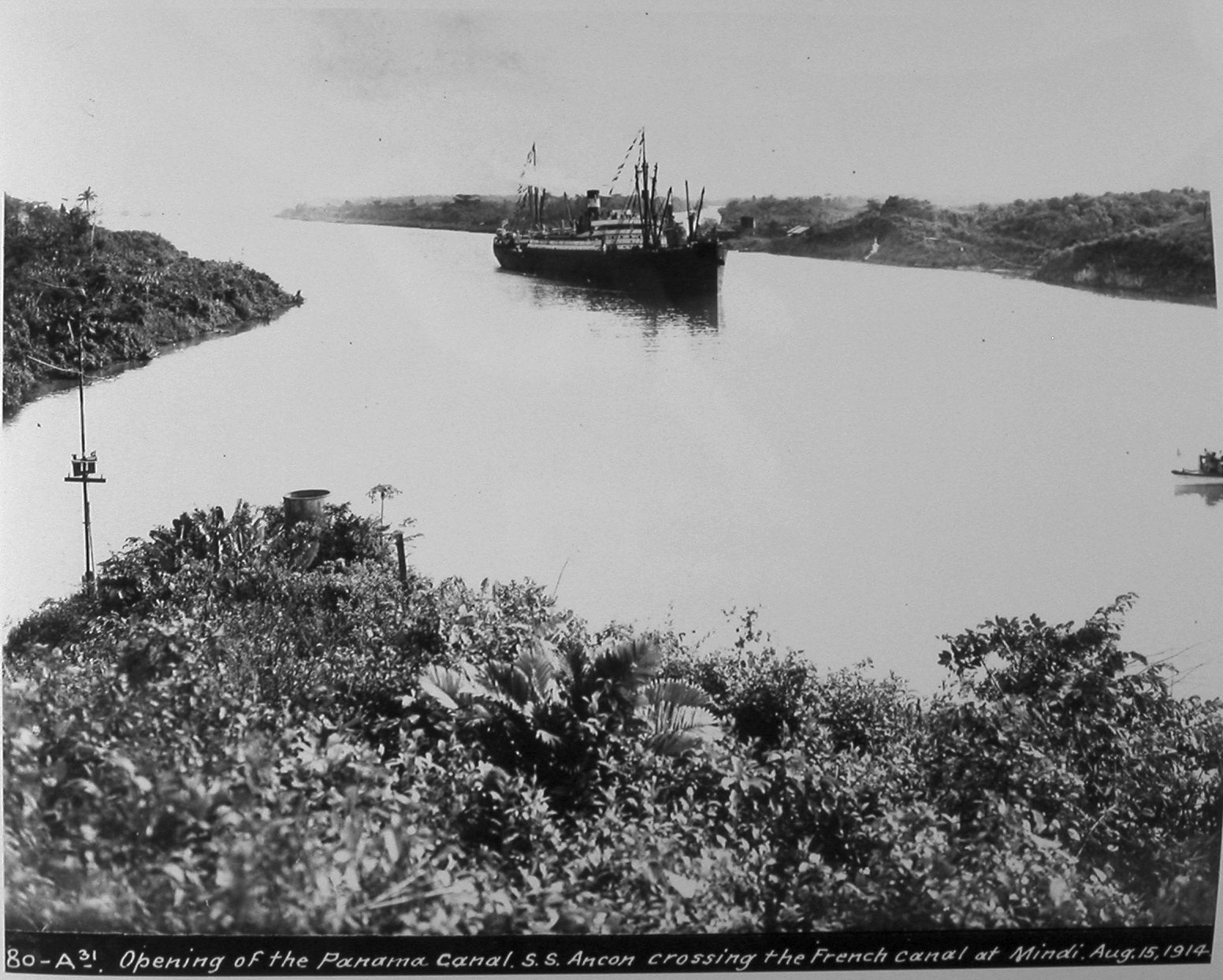
On August 15, 1914, SS Ancon made the official inaugural transit of the Panama Canal. The ship’s progress marked the opening of a route that joined the Atlantic and Pacific without the long voyage around South America. Yet the canal was not simply a trench cut between two bodies of water. It worked by moving ships through a constructed system of locks and a large inland lake, making elevation part of the solution rather than an obstacle to remove entirely.
A vessel entering the canal could be raised in stages, cross the lake and then descend toward the other ocean. That basic sequence depended on enormous changes to the landscape: excavation, dams, water management and structures capable of controlling heavy gates and large volumes of water. The achievement was therefore as much an exercise in organizing a working system as in digging. Every successful transit required different parts of that system to function together.

Keep reading in Yester
Coming soon to the App Store
Keep following the story
Sources
Image: Panama Railroad Company