The Shortcut Through Egypt That Changed World Trade
A passage between two seas shortened journeys across the world. Egypt’s canal also became a struggle over labor, debt and who controlled the route.
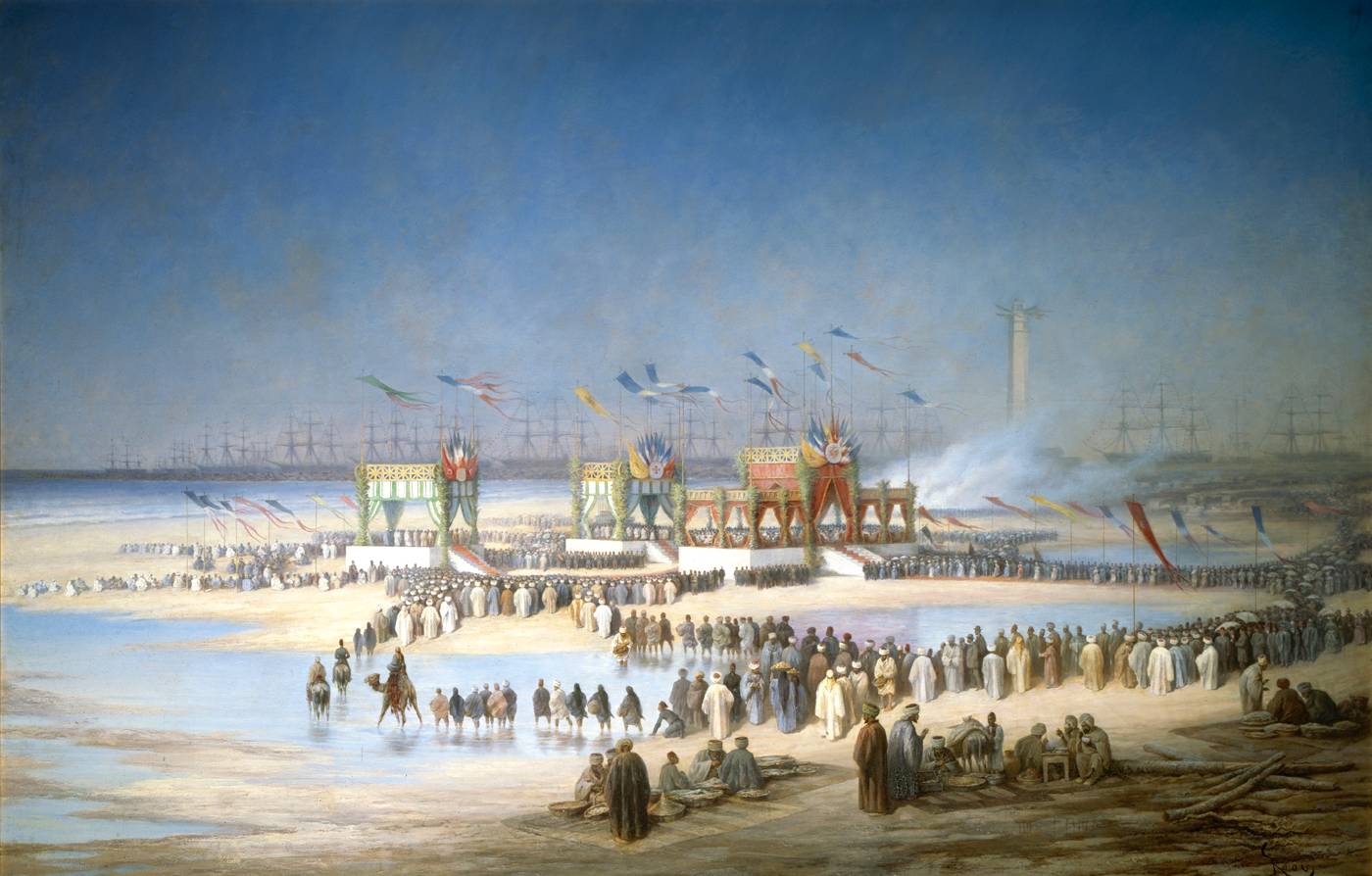
When the Suez Canal opened on November 17, 1869, ships gained a route between the Mediterranean and the Red Sea through Egypt. A voyage between Europe and parts of Asia no longer required the long passage around southern Africa. The celebration presented an engineering triumph to an audience of rulers and dignitaries. Beneath that spectacle was a more complicated achievement, built from Egyptian land and labor and entangled from the start with foreign power.
The project took shape through concessions granted to Ferdinand de Lesseps and the canal company. Excavation began in 1859 and continued for a decade. Connecting the seas meant more than drawing a line across a map: workers had to excavate enormous quantities of material, supply water and sustain settlements in a demanding environment. Machines became increasingly important, but the familiar image of an ambitious engineer can obscure the much larger human organization that made his plan physically possible.

Keep reading in Yester
Coming soon to the App Store
Keep following the story
Sources
Image: Édouard Riou