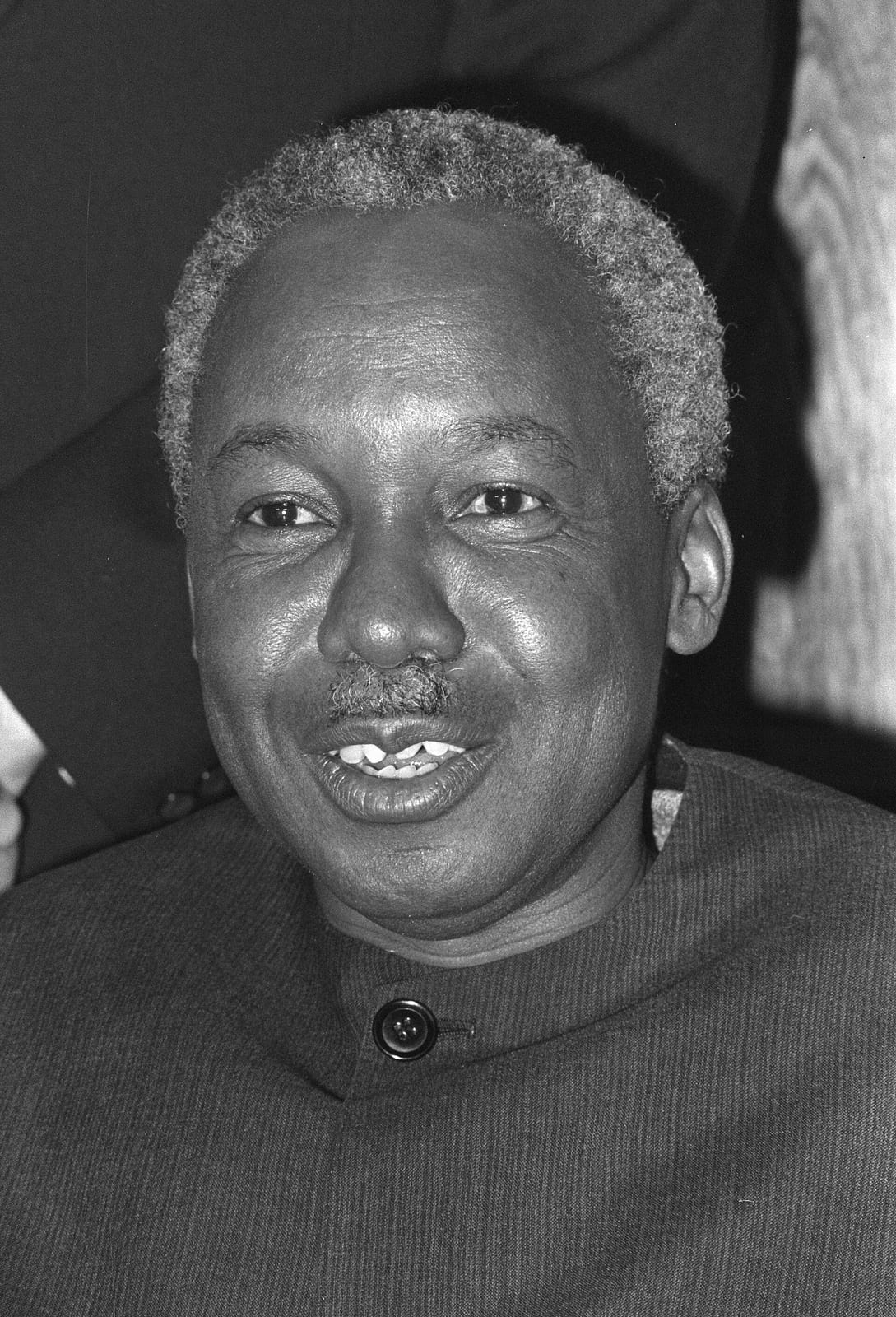
Tanganyika Wins Independence, Then Faces the Work of Nationhood
Julius Nyerere helped unite a movement across Tanganyika. Winning sovereignty began a harder argument over education, equality and the powers of the new state.
Tanganyika became independent on December 9, 1961. Julius Nyerere, a former teacher who had helped build the Tanganyika African National Union, stood at the center of the transition. The achievement was not simply to replace British administrators with new officeholders. A country with many communities and uneven access to education needed institutions its citizens could recognize as their own. Independence made that work possible while exposing how much of it remained to be done.
TANU’s growth depended on organizing across local differences rather than treating one ethnic constituency as the nation. Swahili helped make political communication possible beyond a single community. Nyerere’s reputation as a teacher also fitted his emphasis on explanation, persuasion and public responsibility. None of this meant the movement was free of tensions. It meant that national unity had to be constructed through actual encounters, meetings and choices, instead of presumed from lines already drawn on a colonial map.

Keep reading in Yester
Coming soon to the App Store
Keep following the story
Sources
Image: Rob Mieremet / Anefo