The African Union Replaces the OAU
African states launched a new union with broader goals.
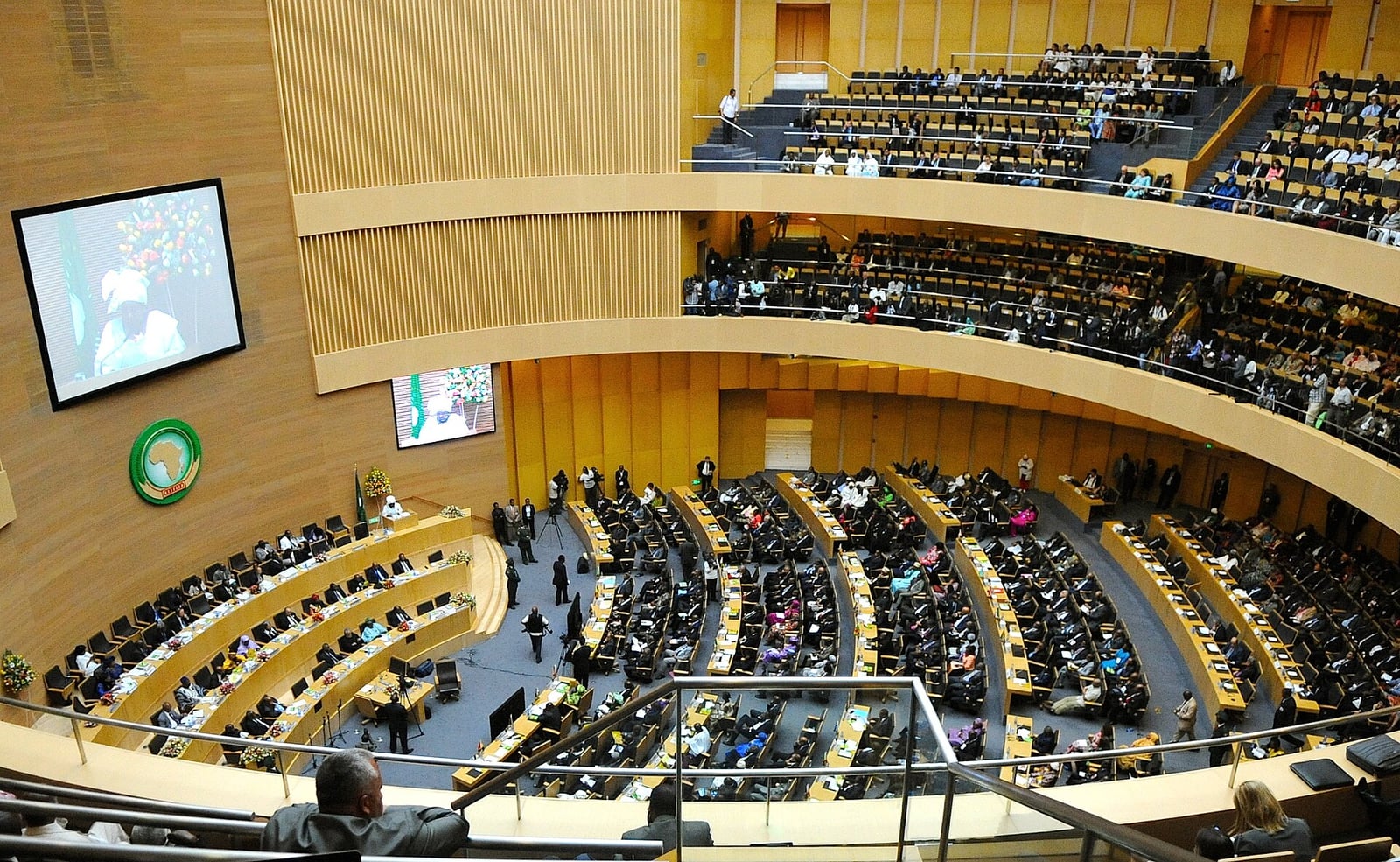
On 9 July 2002, heads of state gathered in Durban, South Africa, to formally inaugurate the African Union. The event marked the conclusion of the Organisation of African Unity, an alliance founded in Addis Ababa in May 1963 by thirty-two independent governments. Although the older body had served as a collective vehicle to support decolonisation across the continent, critics increasingly viewed it as ineffective at safeguarding individual freedoms, often arguing that its rigid adherence to non-interference shielded authoritarian leaders from accountability.
Renewed momentum for a restructured continental body emerged during the late 1990s. In September 1999, the Organisation of African Unity convened in Sirte, Libya, issuing a declaration that called directly for the creation of a successor union. Subsequent summits refined the blueprint, leading to the adoption of the Constitutive Act of the African Union at Lomé in 2000 and an operational roadmap at Lusaka in 2001. When South African president Thabo Mbeki opened the first assembly in Durban, the newly minted bloc sought to move past past shortcomings by combining political coordination with socioeconomic integration.

Keep reading in Yester
Coming soon to the App Store
Keep following the story

Sources
- About the African Union (African Union)
- Member States (African Union)
- Peace and Security Council (African Union)
- Pan-African Parliament (African Union)
- Constitutive Act of the African Union (African Union)
- The African Union Summit kicks off in Durban (GCIS, South African Government, 26 June 2002)
- Speech by the Chairperson of the African Union, President Thabo Mbeki, at the launch of the African Union (The Presidency, via Polity)
- African Union
Image: U.S. Department of State