The First Nobel Prizes Are Awarded
An industrialist’s will created prizes that reshaped scientific and literary fame.
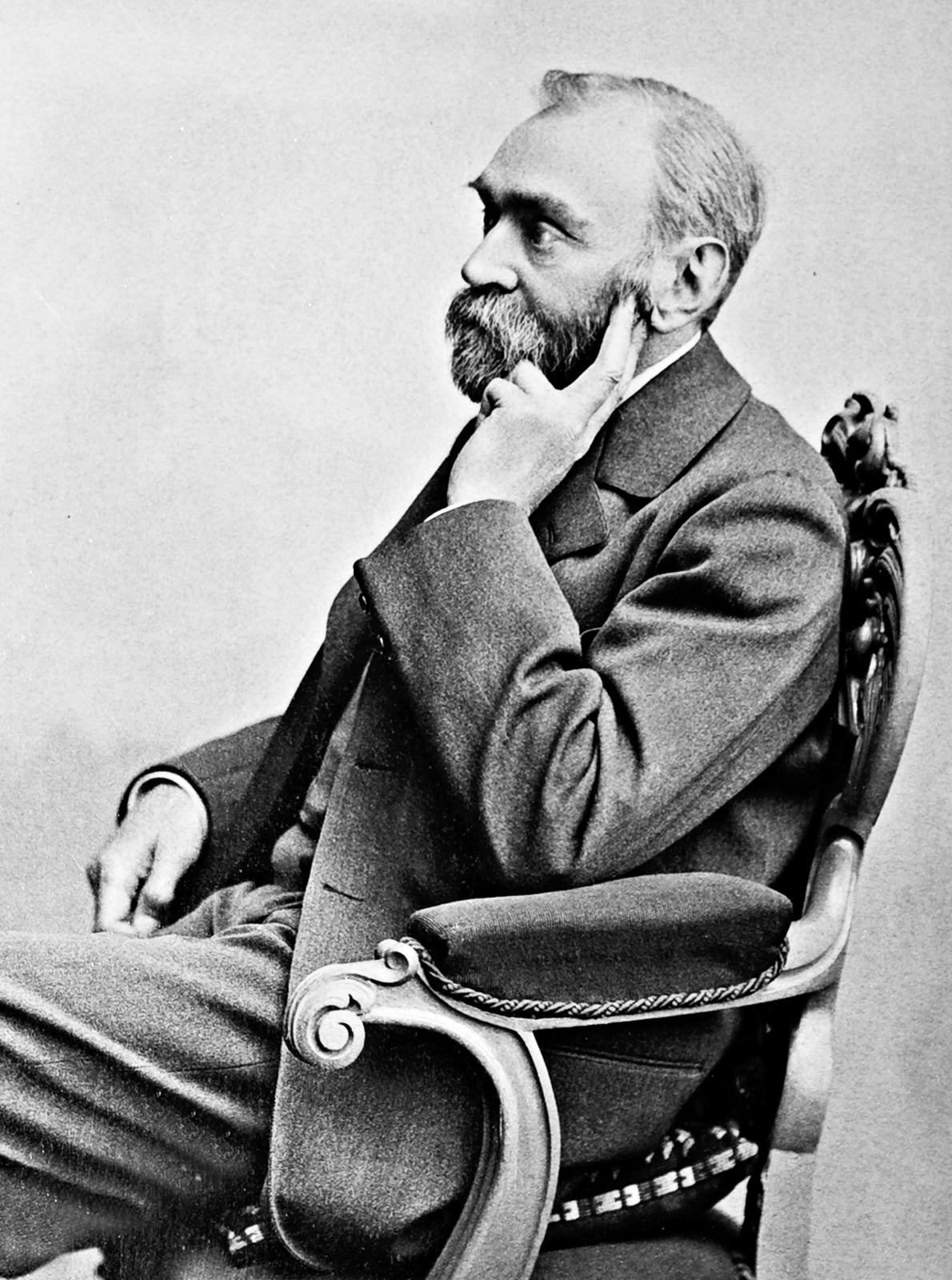
On 10 December 1901, exactly five years after the death of Swedish industrialist Alfred Nobel, the first Nobel Prizes were presented to laureates in Stockholm and in Kristiania, the Norwegian capital now called Oslo. Nobel, who had acquired vast wealth from inventing dynamite and manufacturing armaments, executed a final will in Paris in November 1895. After bequests to relatives and friends, the document directed that all his remaining assets be committed to a fund rewarding individuals whose efforts had conferred the greatest benefit on humanity across five distinct fields: physics, chemistry, physiology or medicine, literature, and peace.
Carrying out Nobel's wishes took several years. Members of the Nobel family disputed the will, but the Norwegian Storting accepted its role as Peace Prize awarder in April 1897, a month after formal notification and more than a year before the Swedish bodies. Shortly thereafter, institutional roles were designated across Scandinavia. Nobel had assigned the Peace Prize to a Norwegian committee, while Swedish bodies were entrusted with the remaining disciplines: the Karolinska Institute for medicine, the Swedish Academy for literature, and the Royal Swedish Academy of Sciences for chemistry and physics. The statutes of the Nobel Foundation, created to administer the capital, were promulgated by the King in Council on 29 June 1900.

Keep reading in Yester
Coming soon to the App Store
Keep following the story

Sources
- Full text of Alfred Nobel's will (NobelPrize.org)
- The very first Nobel Prizes (NobelPrize.org)
- The Nobel Peace Prize 1901-2000 (NobelPrize.org)
- Nobel Prize facts (NobelPrize.org)
- Opening Address 2000, by Bengt Samuelsson (NobelPrize.org)
- The Nobel Prize for Literature: A controversial and contested pedigree (Daily Maverick)
- Nobel Prize
Image: Gösta Florman (1831–1900) / The Royal Library