A Geneva Committee Launches the Red Cross Movement
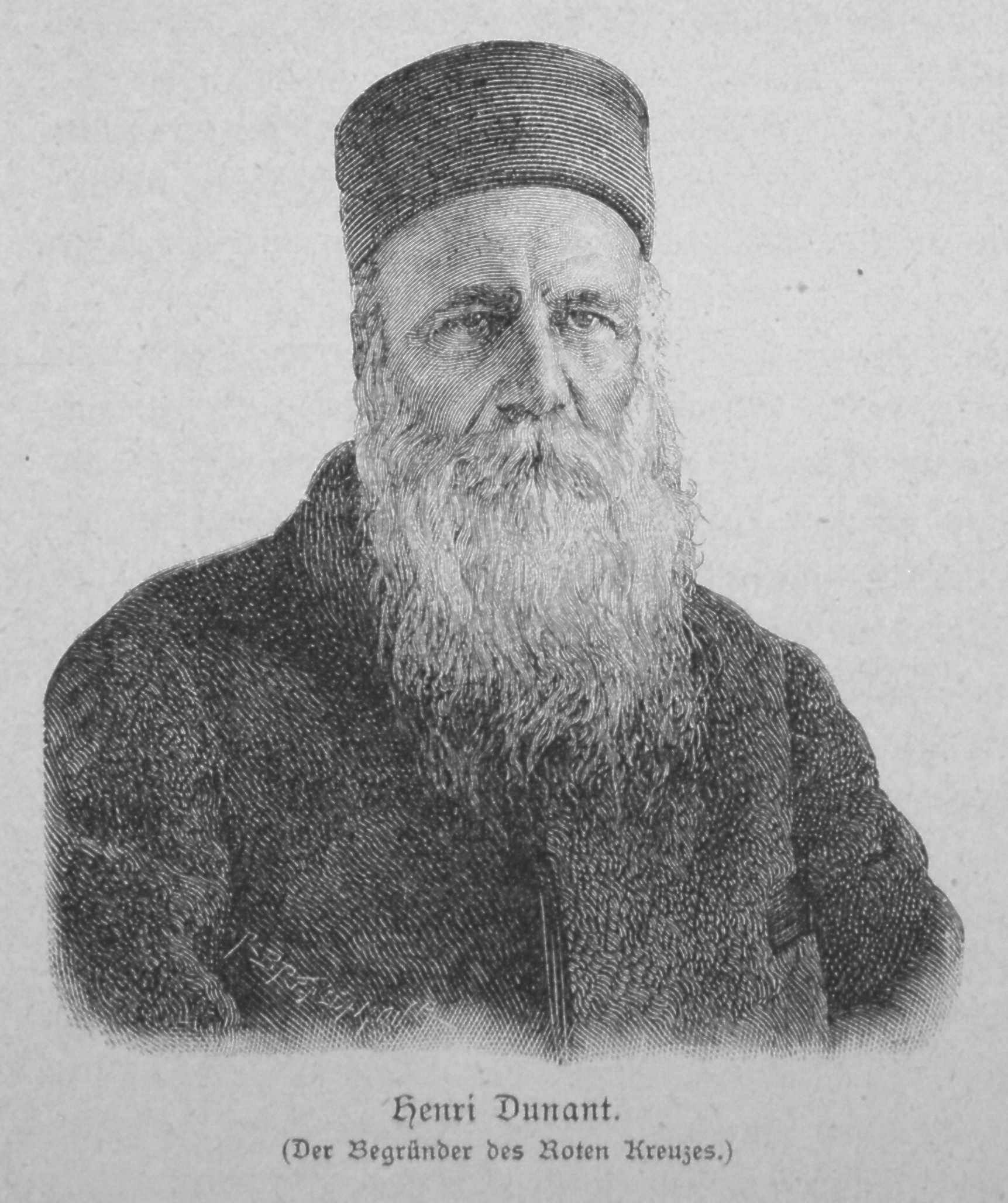
After Solferino, Henry Dunant pressed for neutral aid to wounded soldiers.
In June 1859, the Swiss businessman Henry Dunant travelled to northern Italy to meet the French emperor Napoleon III to seek water rights for a business venture in French-ruled Algeria. Reaching the emperor's headquarters near Solferino, he witnessed the aftermath of the Battle of Solferino on 24 June, a clash in the Second Italian War of Independence. The battle left nearly 40,000 casualties. The near total absence of basic medical assistance prompted Dunant to set aside his commercial mission and organize local civilians to care for the wounded of both sides, notably in the town of Castiglione.
Returning to Geneva, Dunant published his observations in 1862 under the title A Memory of Solferino, circulating copies to prominent European politicians and military commanders. The book documented the suffering he had witnessed and advanced two practical remedies. Dunant proposed creating voluntary national societies during peacetime to train personnel for nursing wounded soldiers in wartime. He also urged governments to conclude binding international treaties that would formally protect military medical staff, field hospitals, and casualties from hostile action.

Keep reading in Yester
Coming soon to the App Store
Keep following the story
Sources
- Henry Dunant: Biographical (NobelPrize.org)
- International Committee of the Red Cross: History (NobelPrize.org)
- Our history (International Committee of the Red Cross)
- Henri Dunant (Encyclopaedia Britannica)
- International Committee of the Red Cross (Encyclopaedia Britannica)
- International Committee of the Red Cross
Image: Franz Robert Richard Brendámour