The Amendment That Opened the Ballot, Unevenly
The Nineteenth Amendment prohibited denying the vote because of sex. Its victory was enormous, but other barriers still kept many women from the ballot box.
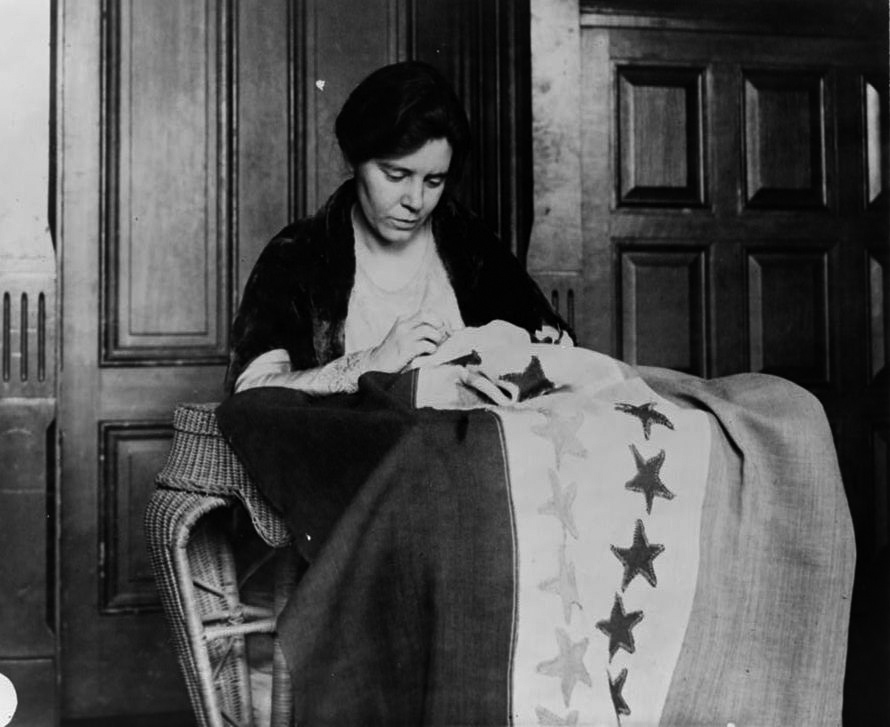
In August 1920, the future of a constitutional amendment depended on a state legislature. Congress had approved the women’s suffrage amendment the previous year, but that was not enough. Three quarters of the states had to ratify it. Tennessee became the decisive thirty-sixth state on August 18. On August 26, certification made the result official: denying a citizen the vote because of sex was now prohibited by the United States Constitution.
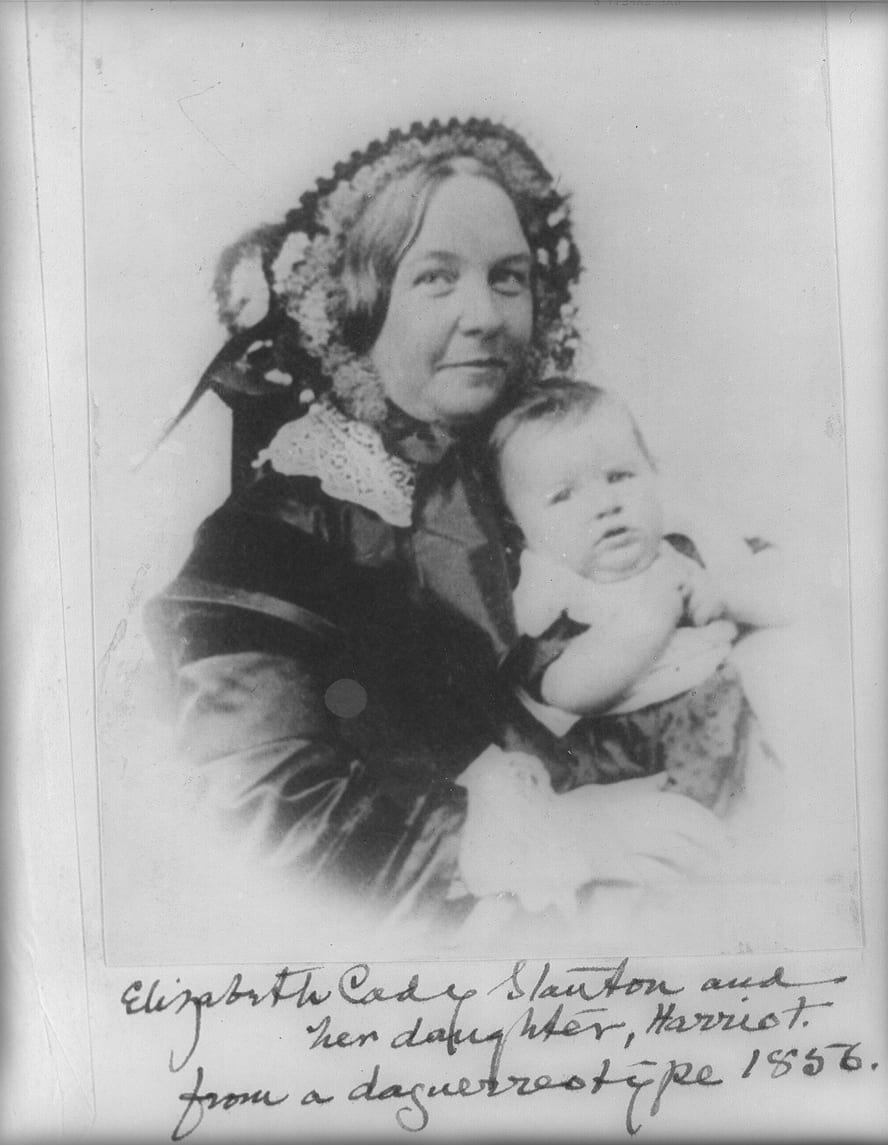
The amendment’s brevity concealed the length of the campaign behind it. The demand voiced at Seneca Falls in 1848 had required generations of organizing to become federal constitutional law. Campaigners petitioned, raised money, addressed hostile audiences and pressed parties to take a position. The struggle was not a single march toward an agreed tactic. Some concentrated on winning state laws; others insisted that only a national amendment could end the patchwork of permission.

Keep reading in Yester
Coming soon to the App Store
Keep following the story

Sources
Image: National Photo Company Collection