The Petition That Helped Women Win the Vote
Years of petitions helped make New Zealand the first self-governing country to grant women the parliamentary vote. Winning a place on the ballot took longer.
A petition can look like a quiet instrument of politics: sheets of paper, rows of names and a request that lawmakers may choose to ignore. In New Zealand, repeated suffrage petitions became evidence that women’s exclusion from national elections could not be treated as an uncontested arrangement. On September 19, 1893, a new electoral law received assent. New Zealand became the first self-governing country to grant women the right to vote in parliamentary elections.
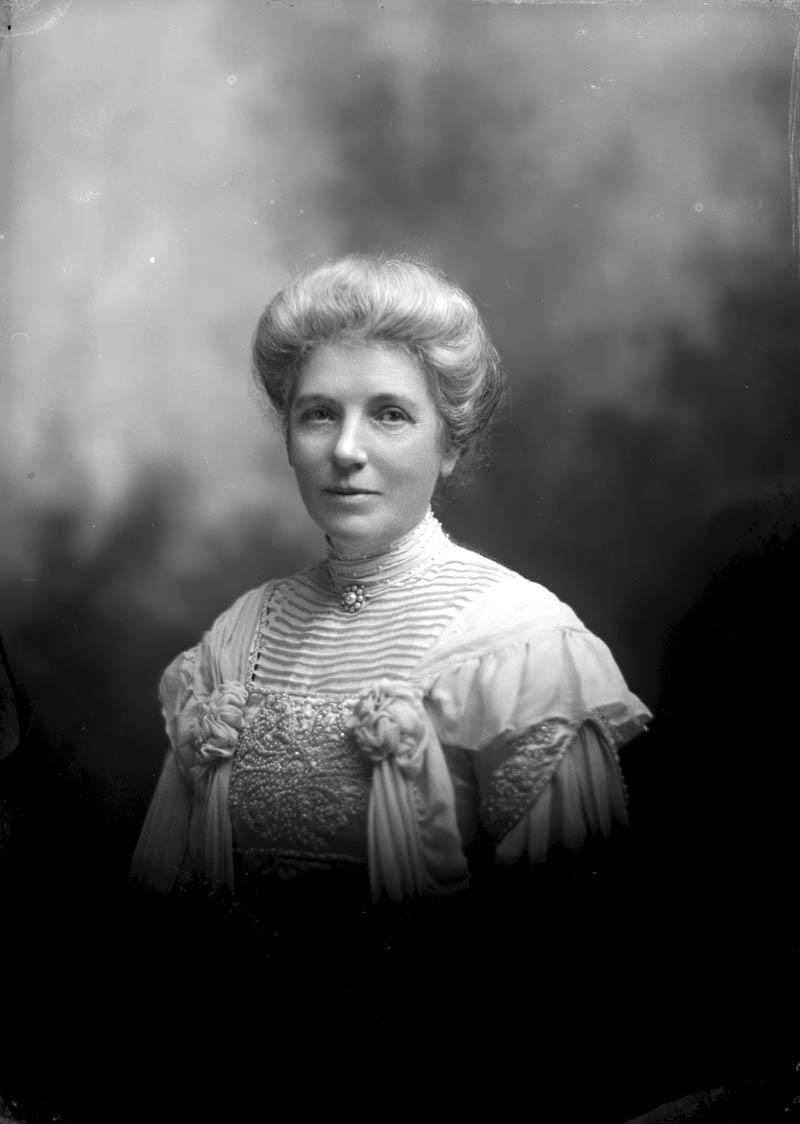
The result followed years of campaigning rather than a sudden change of mind at the top. Kate Sheppard became a leading organizer, working through the Women’s Christian Temperance Union and a wider suffrage network. Supporters gathered signatures, distributed arguments and pressed legislators to act. These activities required people in different communities to cooperate on an issue that opponents could portray as unnecessary or threatening. The petition made that dispersed effort physically visible in the political center.

Keep reading in Yester
Coming soon to the App Store
Keep following the story

Sources
Image: H. H. Clifford, see https://collection.canterburymuseum.com/objects/243177/glass-plate-negative-kate-w-sheppard