The Declaration That Asked Who Equality Was For
A meeting in a small New York chapel turned everyday restrictions on women into a public indictment. Voting was only one part of its demand for equality.
A declaration of equality could sound familiar and still make an audience uncomfortable. At Seneca Falls, New York, on July 19 and 20, 1848, women and men gathered in the Wesleyan Chapel to debate a document that borrowed the language of American independence and turned it toward women’s lives. If government rested on consent, what justified governing women without allowing them a political voice? The question reached far beyond the walls of the small chapel.
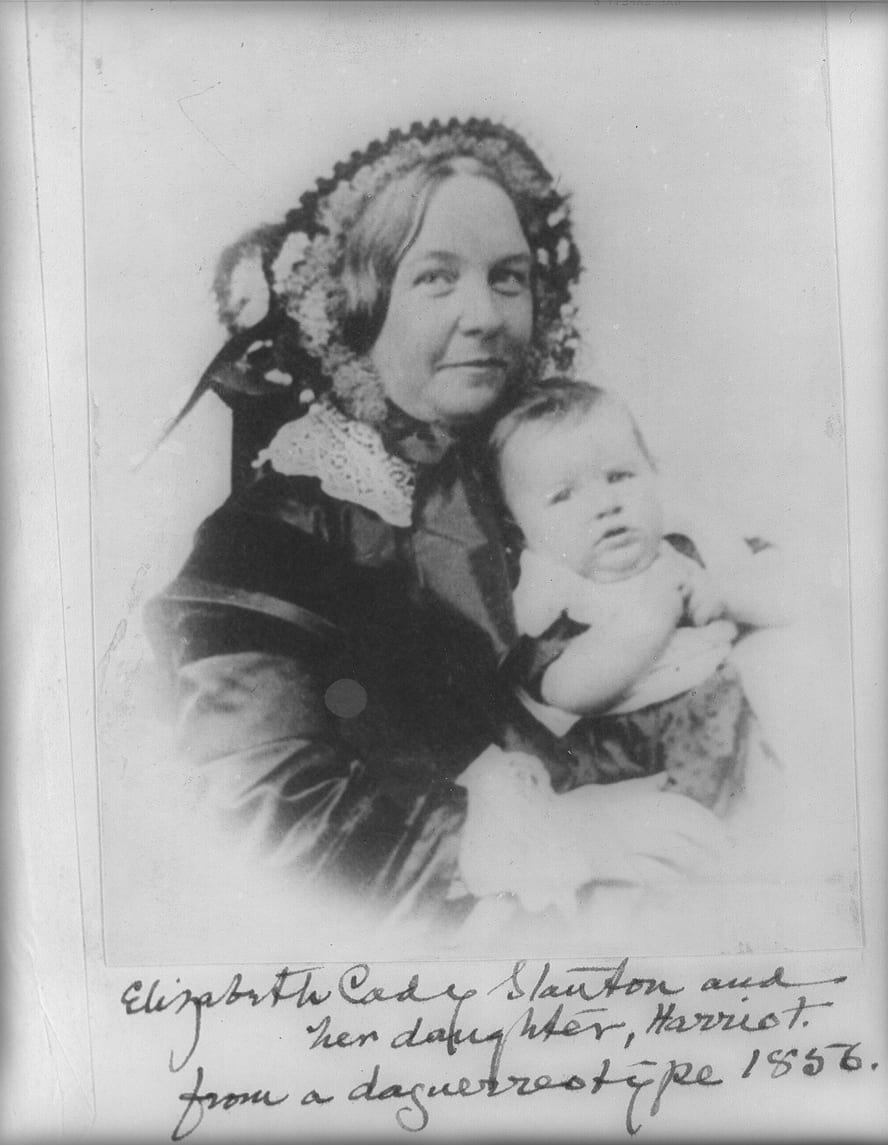
The meeting grew from the work of Elizabeth Cady Stanton, Lucretia Mott, Martha Coffin Wright, Mary Ann M’Clintock and Jane Hunt. They did not invent women’s resistance to inequality, but they gave a particular set of demands a public forum. Organizing itself mattered. Women were claiming the authority to call a convention, speak before an audience and propose changes to institutions that often expected them to remain subordinate or silent.

Keep reading in Yester
Coming soon to the App Store