Making the Right to Vote Reach the Ballot
The Constitution already promised protection against racial exclusion at the polls. The Voting Rights Act gave the federal government stronger tools to make that promise enforceable.
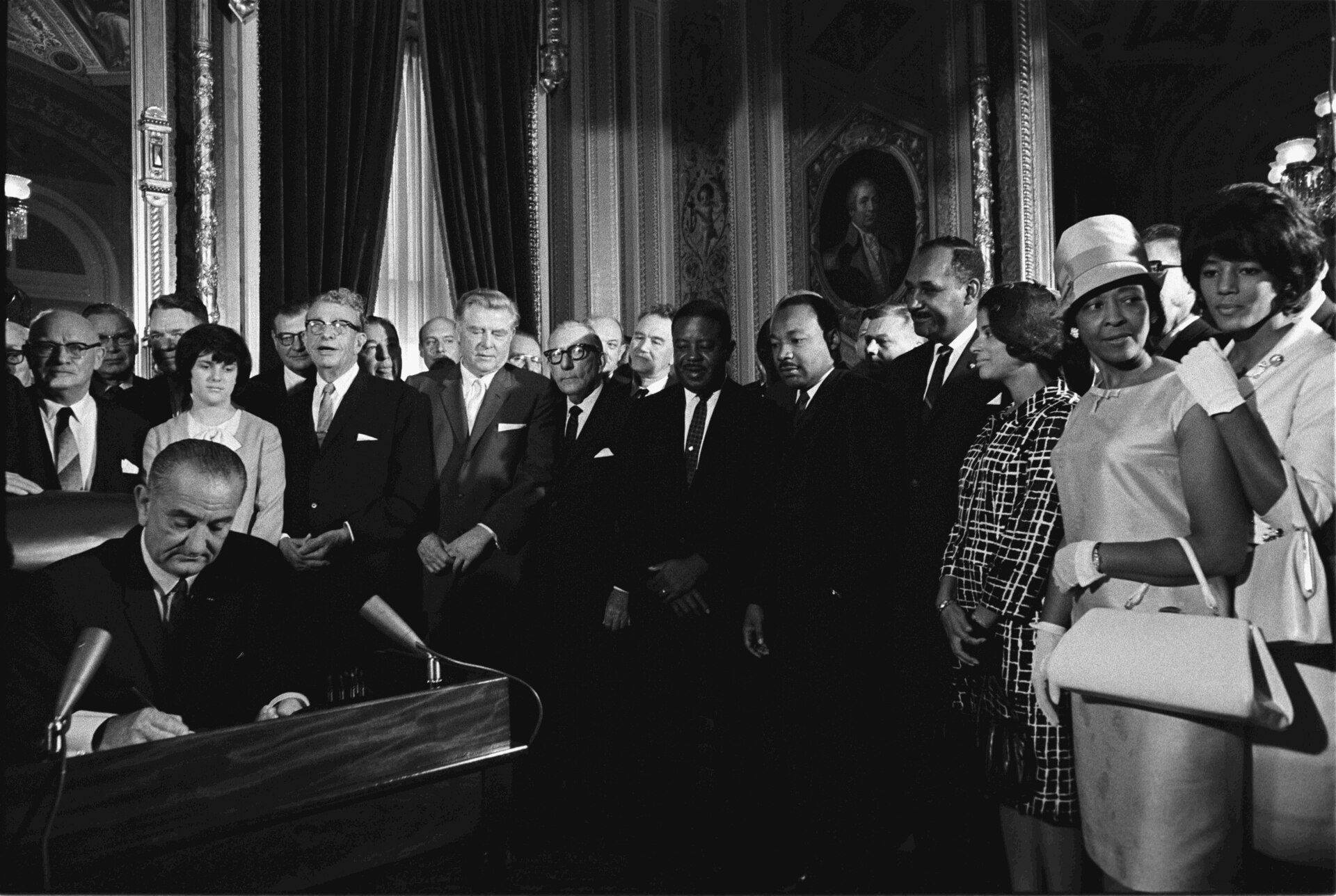
When Lyndon Johnson signed the Voting Rights Act on August 6, 1965, the United States did not invent a new promise that race should not determine voting rights. The Fifteenth Amendment had made that commitment ninety-five years earlier. The problem was enforcement. In much of the South, officials and intimidation had made it possible to preserve the words of a constitutional right while denying people any practical way to exercise it.
Registration procedures could become instruments of exclusion. Literacy tests and other requirements were administered to keep Black applicants off the rolls, while threats and economic pressure made even trying dangerous. Challenging one practice through the courts was slow. The Justice Department’s historical account describes a recurring problem: once litigation defeated one barrier, another could take its place. A legal victory might arrive without producing a lasting route to the ballot.

Keep reading in Yester
Coming soon to the App Store
Keep following the story

Sources
Image: Yoichi Okamoto