Nations Agree to Protect the Ozone Layer
A treaty phased out the chemicals that were thinning the ozone layer.
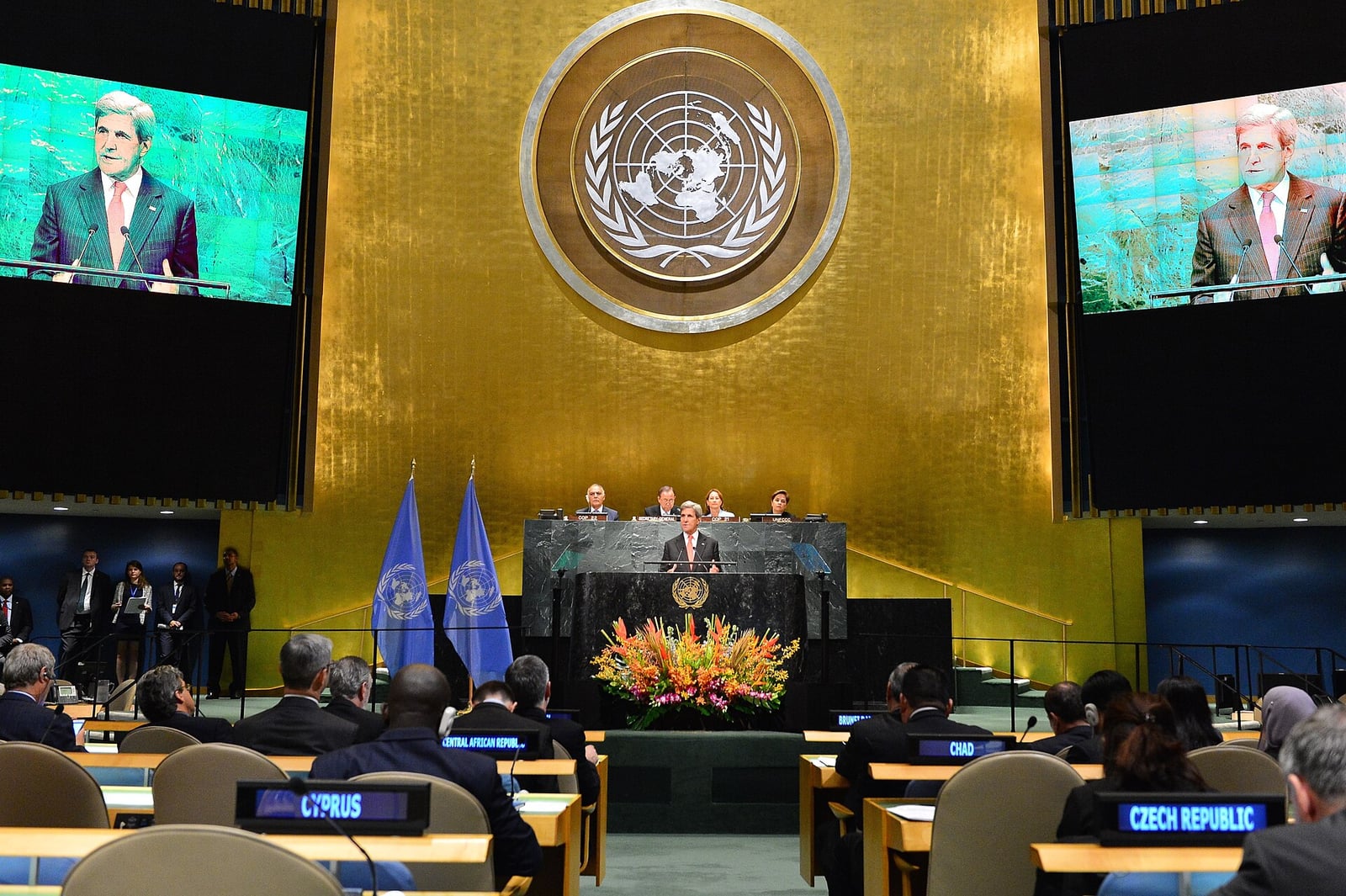
On 16 September 1987, diplomats from around the world finalized the Montreal Protocol on Substances That Deplete the Ozone Layer. This landmark international treaty was designed to safeguard the atmosphere by curbing and eventually eliminating the manufacture of industrial chemicals that degrade stratospheric ozone. Entering into force on 1 January 1989, the accord represented a decisive shift from scientific inquiry into coordinated global governance.
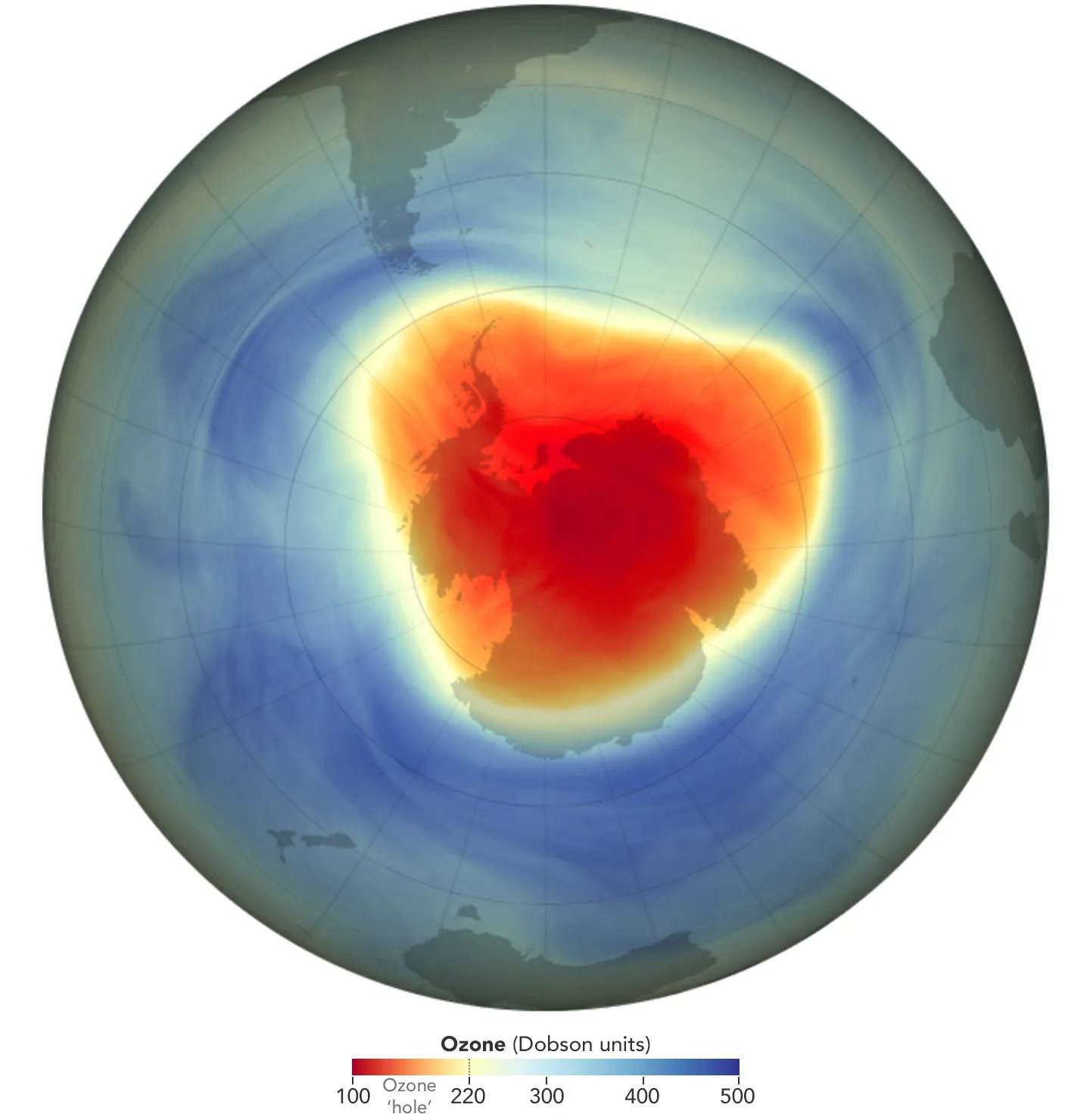
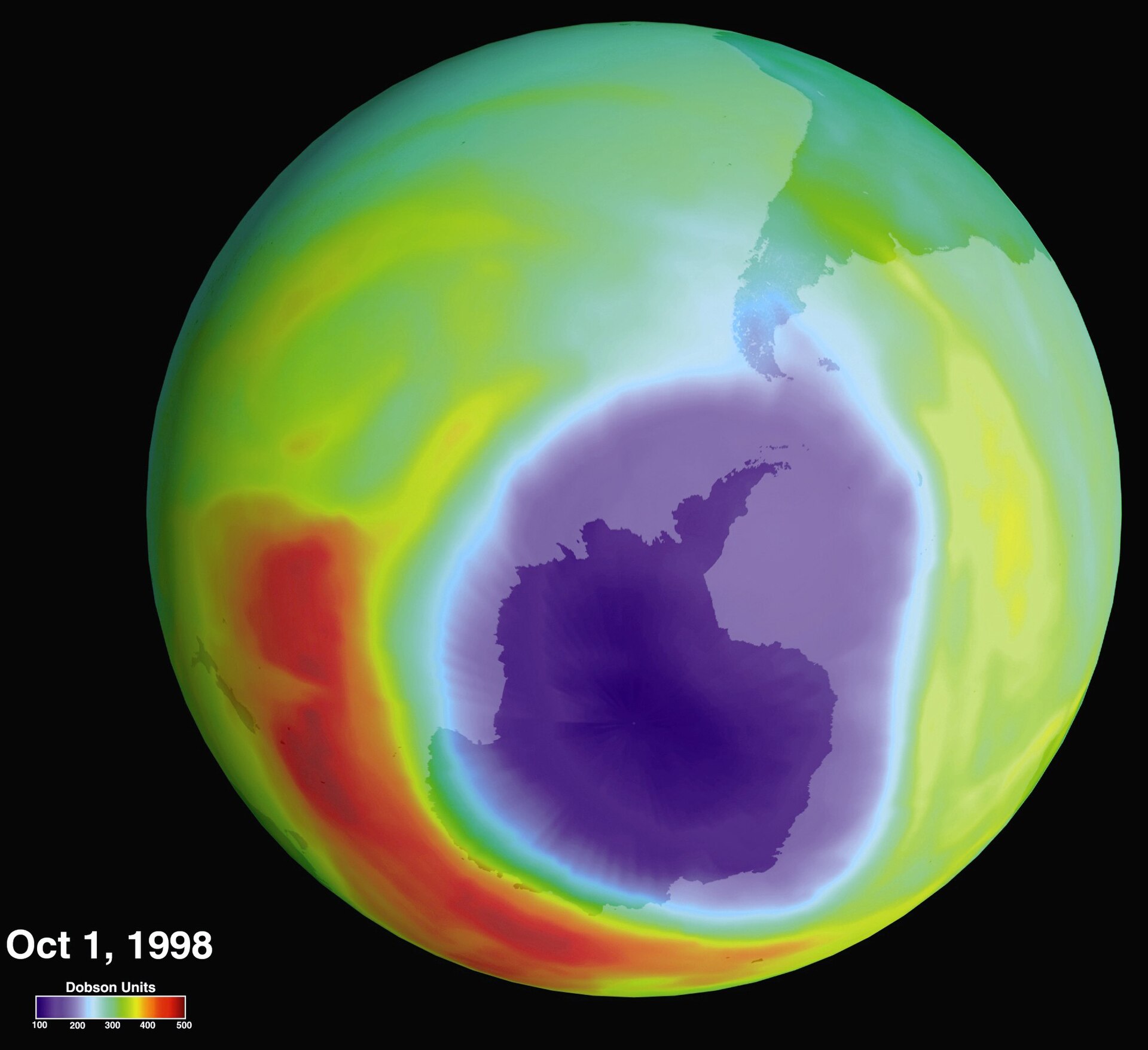
The roots of the convention traced back to 1974, when chemists Frank Sherwood Rowland and Mario Molina demonstrated that chlorofluorocarbons could travel into the stratosphere, release chlorine under ultraviolet radiation, and destroy significant volumes of ozone. In 1985, British Antarctic Survey scientists documented severe atmospheric thinning near the South Pole. Satellite visualizations and the revelation that scientists report a hole in the ozone layer created widespread urgency among governments, building rapid momentum to move beyond the non-binding framework of the 1985 Vienna Convention.

Keep reading in Yester
Coming soon to the App Store
Keep following the story
Sources
- About the Montreal Protocol (UNEP OzonAction)
- The Montreal Protocol (UNEP Ozone Secretariat)
- Timor-Leste Makes Montreal Protocol First Global Environmental Agreement to Achieve Universal Ratification (UNEP Ozone Secretariat press release, 16 September 2009)
- Ozone layer recovery is on track, helping avoid global warming by 0.5C (World Meteorological Organization, 9 January 2023)
- International Treaties and Cooperation about the Protection of the Stratospheric Ozone Layer (US EPA)
- The story behind the discovery of the ozone hole (UK Research and Innovation)
- The Nobel Prize in Chemistry 1995, press release (Nobel Foundation)
- Montreal Protocol
Image: NASA