The City That Walked Instead
The Montgomery bus boycott lasted more than a year. Its success depended on much more than one arrest: carpools, organizers, lawsuits and thousands of daily decisions.
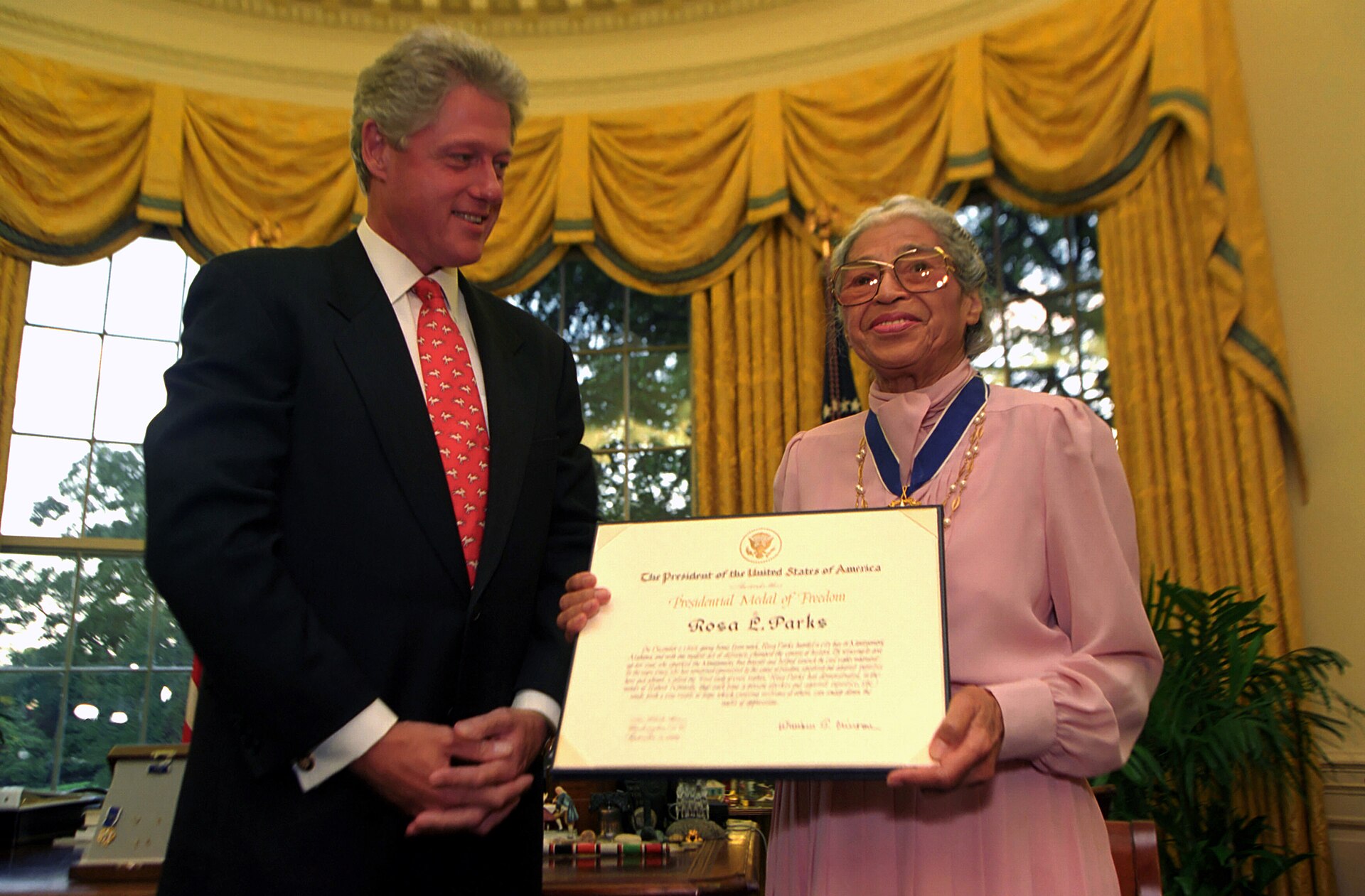
Rosa Parks’s arrest on December 1, 1955, is the familiar beginning. The less familiar story is what happened on the mornings that followed. Black residents of Montgomery still needed to reach work, shops and schools, but thousands refused to use the segregated city buses. A protest against a daily humiliation became a daily logistical challenge. Keeping it going would require more than admiration for one person’s refusal.
Parks was already an experienced activist, not simply a tired passenger suddenly discovering injustice. Other Black women had also resisted mistreatment on the buses. After her arrest, local organizers including Jo Ann Robinson and the Women’s Political Council helped mobilize a boycott. Existing relationships and organizing experience made a rapid response possible. The event became a catalyst because a community had people ready to turn it into action.

Keep reading in Yester
Coming soon to the App Store
Keep following the story
Sources
Image: White House Photograph Office