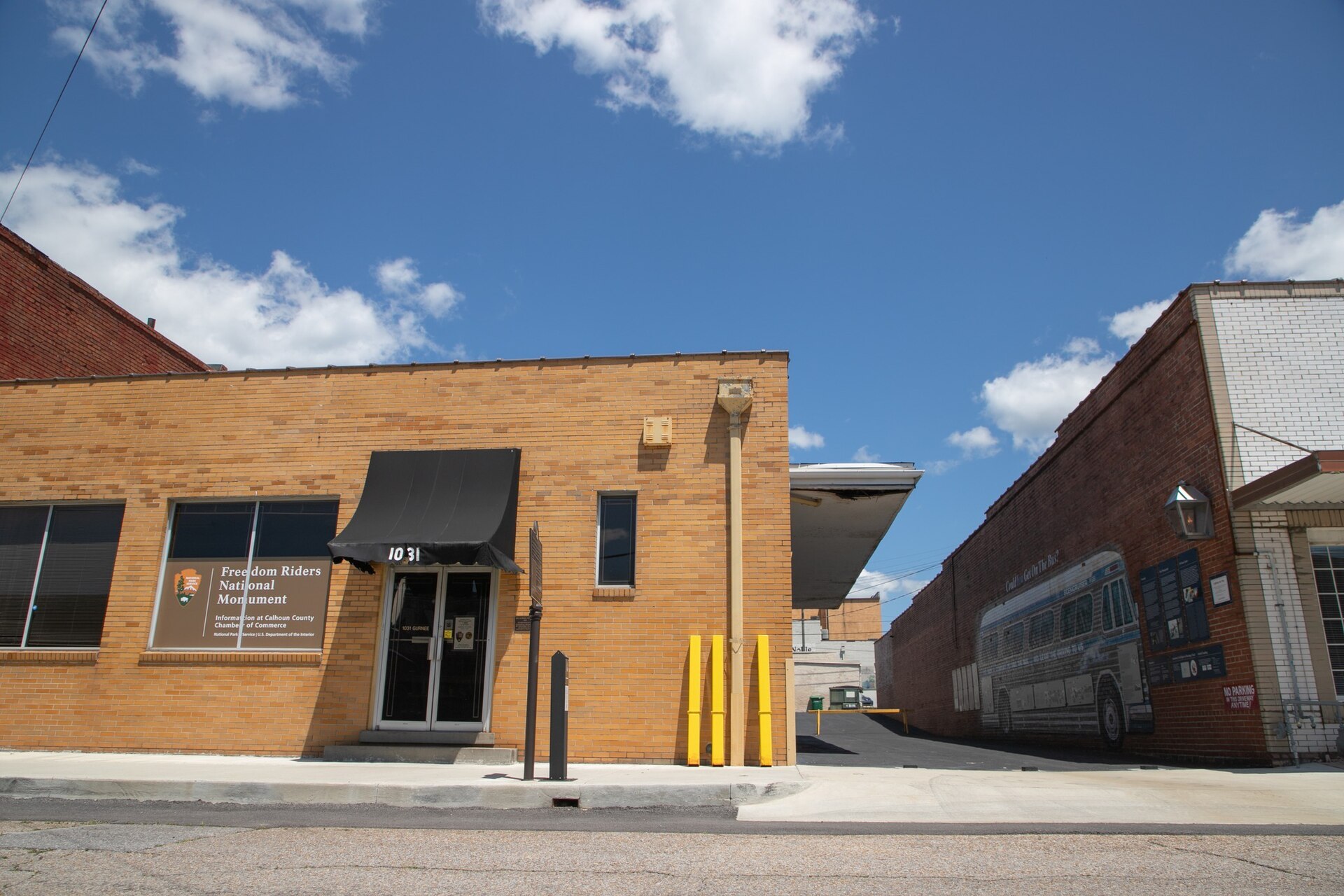
The Bus Journey That Made a Ruling Real
Interstate travelers already had legal protections against segregation. The Freedom Riders put those protections to a dangerous test at bus stations across the South.
Buying a bus ticket should not have required preparation for a beating. In May 1961, an interracial group organized by the Congress of Racial Equality left Washington, D.C., to travel through the South. They intended to use interstate buses and terminal facilities without observing racial segregation. Supreme Court decisions already supported their right to do so. The journey asked a more dangerous question: what would happen when people tried to exercise that right where local custom still denied it?
The original thirteen riders trained in nonviolent direct action before leaving on May 4. Their destination was New Orleans, but the itinerary was more than a route between cities. Waiting rooms, lunch counters and restrooms became places where a conflict over federal law could no longer remain abstract. A traveler sitting down or asking for service could expose the difference between what a court had decided and what a business or local authority would tolerate.

Keep reading in Yester
Coming soon to the App Store
Keep following the story
Sources
Image: National Park Service