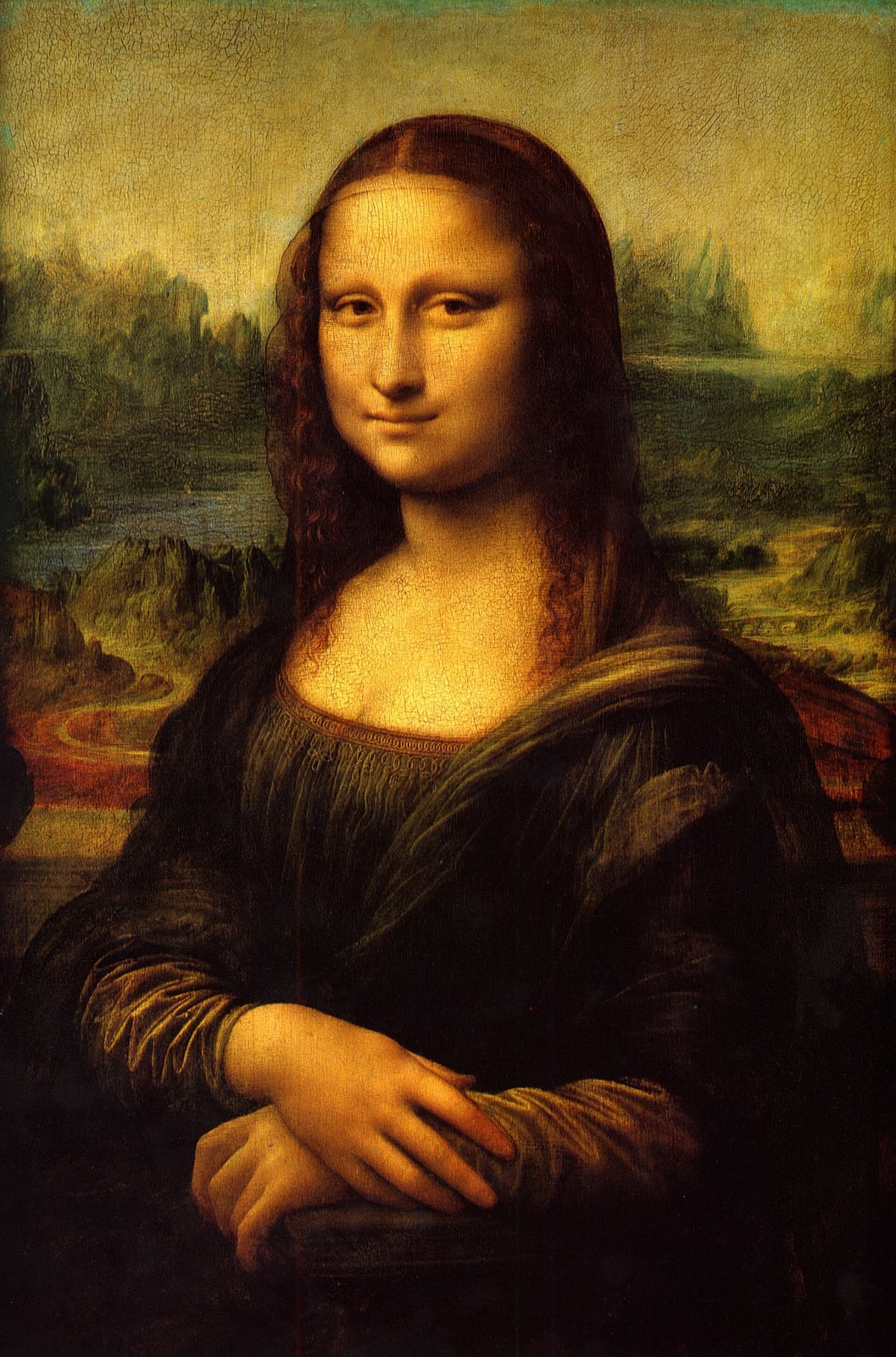
The Mona Lisa Disappears from the Louvre
A theft turned a respected painting into a worldwide celebrity.
On Monday, 21 August 1911, a man who had previously worked at the Louvre slipped into the museum, which was closed to the public that day, and removed Leonardo da Vinci's Mona Lisa from the wall. The disappearance went unnoticed until the following day, when a painter who had set up his easel in the gallery noticed the empty space. After staff confirmed that the canvas had not been moved for official photography, the Louvre closed its doors for an entire week to permit a police search. The audacity of the crime quickly attracted international headlines, thrusting a Renaissance portrait that had previously engaged only connoisseurs into the centre of global public attention.
Prior to the heist, Leonardo's oil painting on poplar had held an established place in art history without commanding mass recognition. King Francis I acquired the portrait, most likely through a large payment in 1518 to Leonardo's pupil Salaì, and after the French Revolution it passed from the royal collection to the Louvre. Nineteenth-century French writers had celebrated the sitter's expression, yet the wider public remained largely unfamiliar with the piece. The intense search following the 1911 burglary changed that status, transforming the quiet artwork into an international sensation as newspapers around the world tracked every lead.

Keep reading in Yester
Coming soon to the App Store
Keep following the story

Sources
Image: Leonardo da Vinci