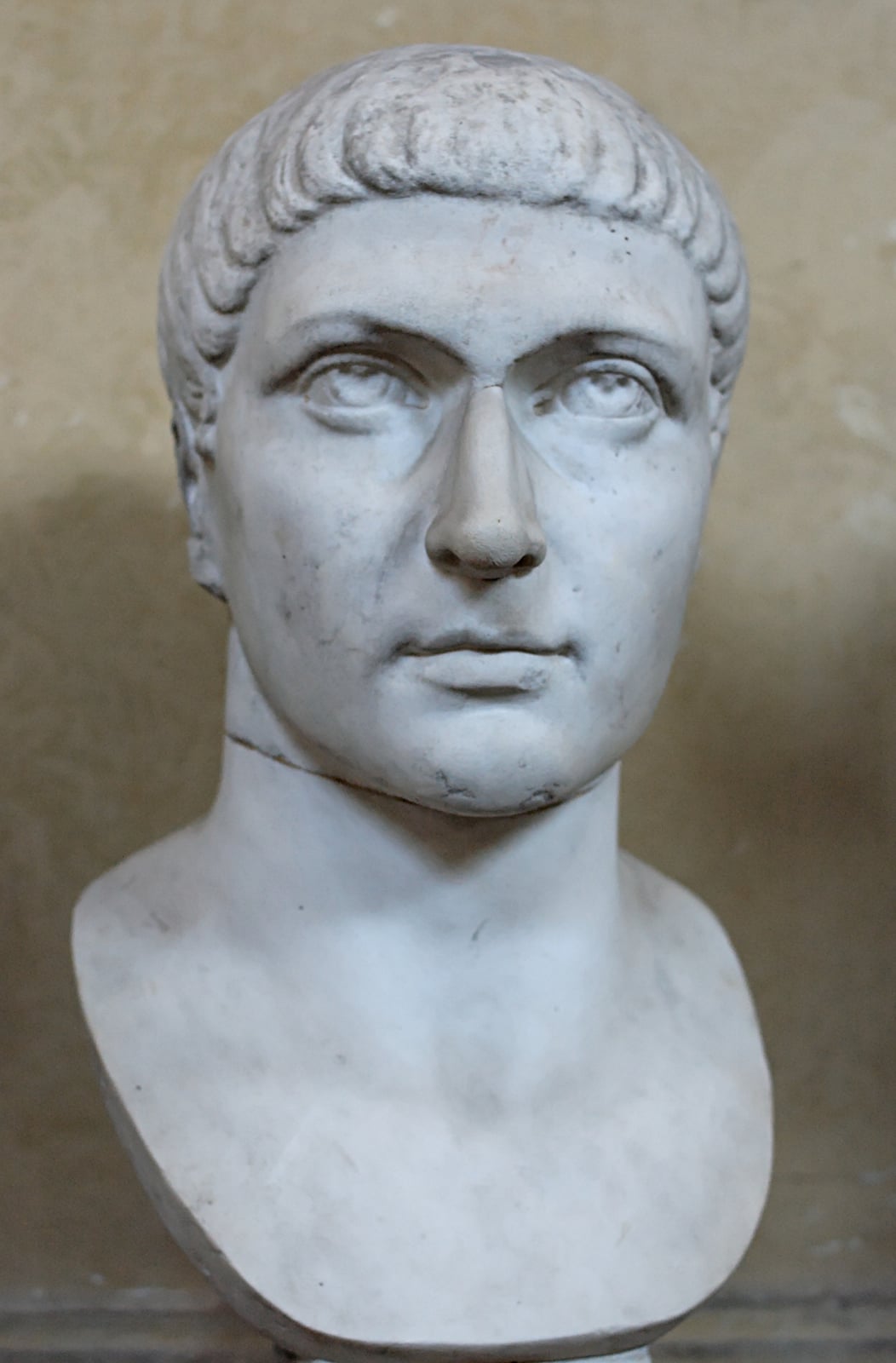
Two Emperors Agree to Tolerate Christianity
An agreement between Constantine and Licinius ended a period of persecution.
In February 313, Western Roman Emperor Constantine I met with Licinius, the ruler controlling the Balkan provinces, in Mediolanum, modern Milan. Their conference aimed to establish a coherent imperial policy toward religious practice across their territories. Two years earlier, Emperor Galerius had issued an edict granting a grudging indulgence to Christians, who had long faced periods of persecution under emperors such as Decius and Valerian. However, that earlier decree had done little to protect Christian holdings or ensure consistent rights across the empire, particularly in regions where rival rulers resisted imperial concessions.
The agreement forged in Milan did not survive as an official central edict preserved in imperial archives. Instead, scholars know of the consensus primarily through surviving letters and historical accounts preserved by early Christian writers. Lactantius recorded the text within his treatise On the Deaths of the Persecutors, presenting it as a circular letter dispatched by Licinius to provincial governors after defeating his rival Maximinus later that year. Eusebius of Caesarea provided a Greek translation in his Church History, though his later biography of Constantine tended to obscure the role Licinius played in shaping the settlement.

Keep reading in Yester
Coming soon to the App Store
Keep following the story

Sources
Image: Marie-Lan Nguyen