Merian Publishes the Transformations of Suriname’s Insects
Detailed images presented insects alongside their host plants and stages of life.
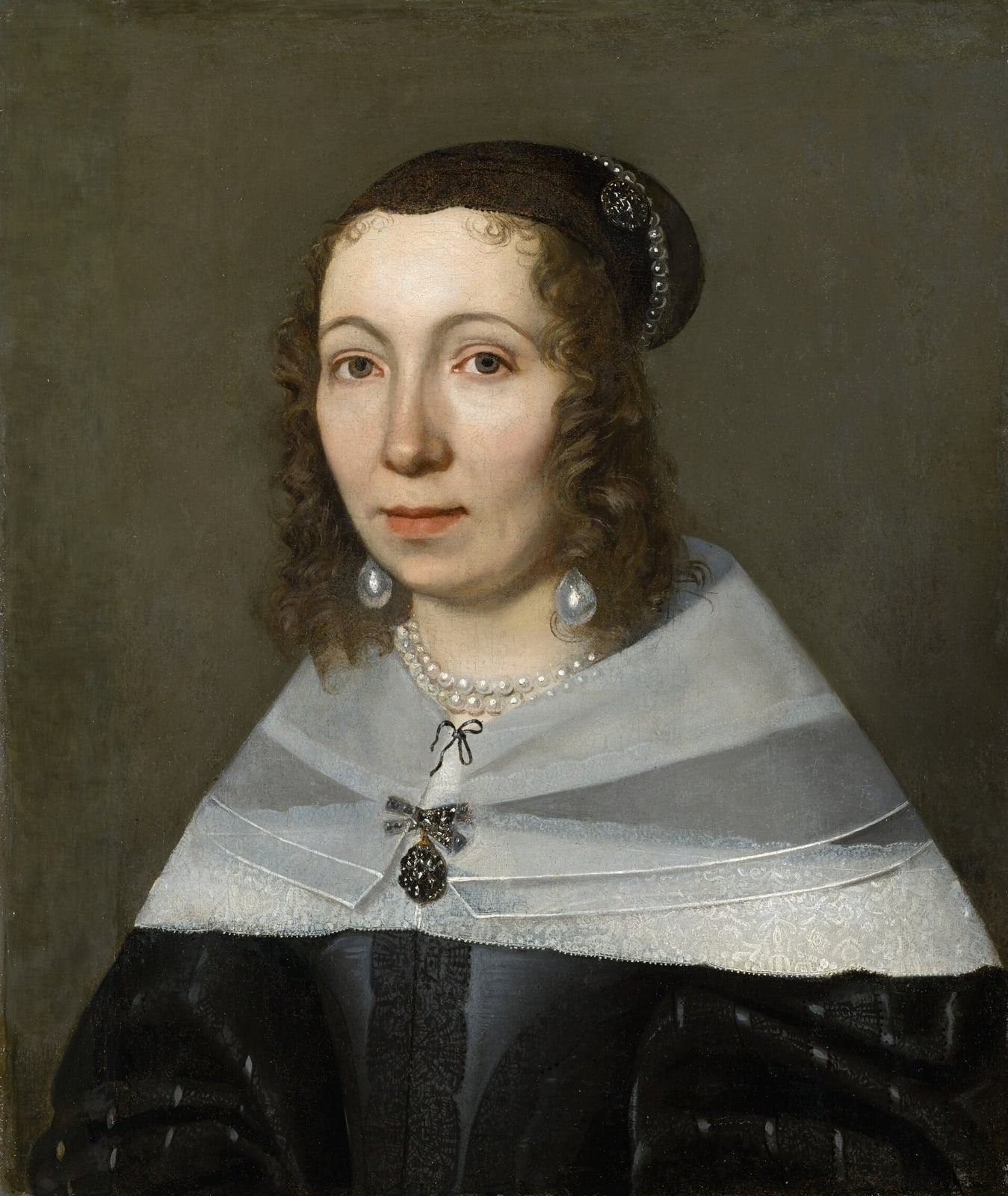
In 1705, the naturalist and illustrator Maria Sibylla Merian published Metamorphosis Insectorum Surinamensium in Amsterdam. Printed at her own expense, the large volume contained sixty engraved plates depicting tropical insects alongside the plants that nourished them. Rather than presenting isolated specimens in rigid taxonomic rows, Merian illustrated dynamic developmental cycles, tracing organisms from egg to caterpillar, chrysalis, and adult. Her visual documentation challenged the widespread contemporary belief in spontaneous generation, which held that insects arose naturally from decaying mud, and established empirical evidence of distinct, predictable life cycles.
Merian developed her investigative methods over decades of direct observation in Europe. Trained in drawing, watercolour, and printmaking within the workshop tradition of her stepfather Jacob Marrel, she began rearing silkworms and local caterpillars as an adolescent in Frankfurt. In 1679 and 1683, she published a two-volume study on caterpillars, engraving fifty plates for each instalment. These early European studies documented the transformations and host plants of 186 insect species, demonstrating that specific larvae required particular vegetation to survive. Her focus on live specimens allowed her to record authentic colouration and behaviour that preserved cabinet specimens inevitably lost.

Keep reading in Yester
Coming soon to the App Store
Keep following the story
Sources
Image: Jacob Marrel