Linnaeus Publishes a System for Naming Nature
A short book began the classification scheme still used in biology.
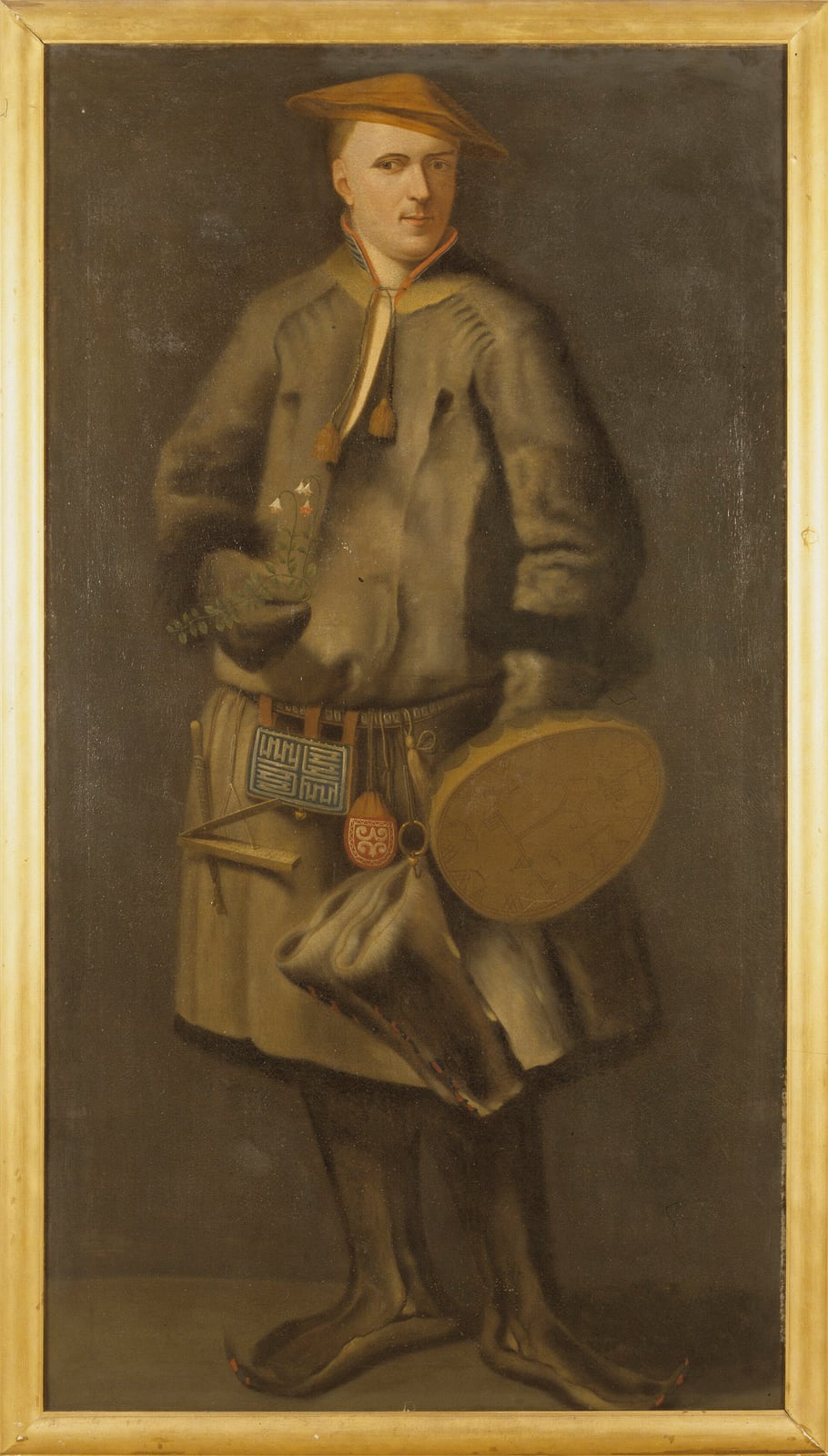
In 1735, the Swedish physician and naturalist Carl Linnaeus published a slim Latin volume titled Systema Naturae while residing in the Netherlands. Spanning just eleven very large pages in its initial print run, the work presented an ambitious framework for cataloging the natural world. Linnaeus established three grand divisions: the animal kingdom, the plant kingdom, and the mineral kingdom. Within these realms, he structured life into five nested ranks consisting of kingdom, class, order, genus, and species, offering naturalists an orderly method to survey living organisms.
Earlier scholars such as the brothers Gaspard and Johann Bauhin had partially used paired names, but Linnaeus distinguished himself by applying a systematic, hierarchical method consistently. He regarded genera and species as natural products of divine creation, whereas he treated higher ranks as practical artificial constructs designed to make identification manageable. In botanical classification, he introduced a sexual system that sorted plants by stamen counts, an arrangement he viewed as a convenient device rather than a reflection of deep kinship.

Keep reading in Yester
Coming soon to the App Store
Keep following the story

Sources
- The Living World in Eleven Pages: Systema naturae, 1735 (The Linnean Society of London)
- Linnaeus and Race (The Linnean Society of London)
- On the bat's back I do fly after summer merrily: Linnaeus's Manuscripta Medica Tom. 1 (The Linnean Society of London)
- Article 3. Starting point (International Code of Zoological Nomenclature, ICZN)
- Carl Linnaeus (University of California Museum of Paleontology)
- Episode 26: How do we know whales are mammals? (Duke University, Nicholas School of the Environment)
- Systema Naturae (Kenneth Spencer Research Library Blog, University of Kansas)
- Systema Naturae
Image: Martin Hoffman