Japan Builds a New Future for the Railway
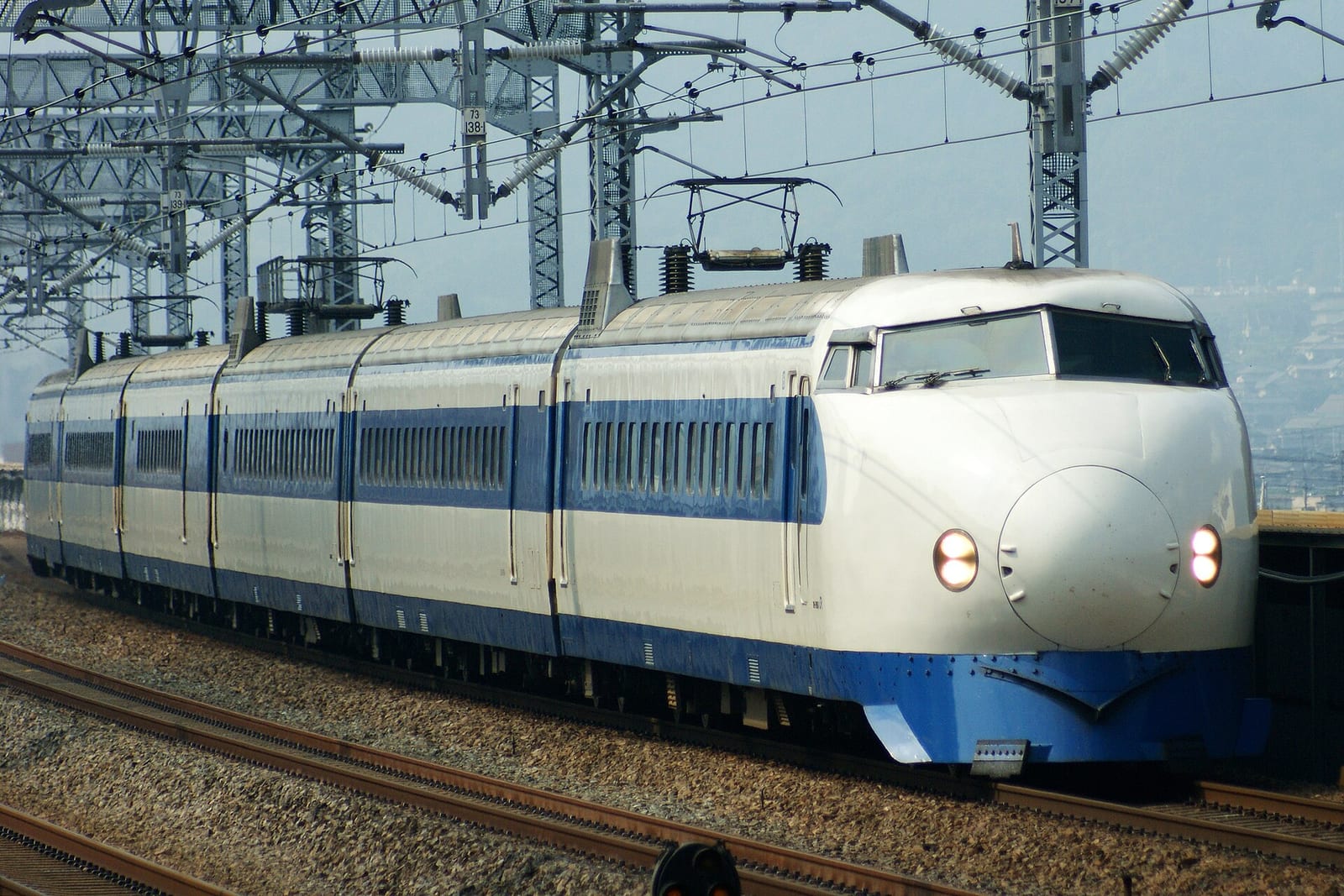
The first Tōkaidō Shinkansen was not simply a faster train. Japan built an entire system that made high-speed rail a dependable part of everyday travel.
On October 1, 1964, trains began running on a new line between Tokyo and Shin-Osaka. The Tōkaidō Shinkansen opened just before the Tokyo Olympics, giving international visitors a memorable image of postwar Japan. Its rounded train noses quickly became shorthand for speed. Yet the achievement was not simply a faster locomotive placed on an old railway. It was a coordinated system of track, power, signaling, vehicles and operating practices built to work together.
The corridor between Tokyo and Osaka already carried intense traffic through some of Japan’s most important urban and industrial areas. Increasing capacity was a practical problem, not only a matter of national prestige. A new route allowed passenger services to operate without the same constraints as the existing mixed railway. Dedicated infrastructure was expensive and required difficult decisions, but it made higher-speed service possible on a scale that incremental changes to the old line could not easily deliver.

Keep reading in Yester
Coming soon to the App Store
Keep following the story

Sources
- The History and Future of High-Speed Railways in Japan, Japan Railway & Transport Review No. 48 (East Japan Railway Culture Foundation)
- The Shinkansen Turns 50: The History and Future of Japan's High-Speed Train (Nippon.com)
- The Shinkansen: From Dream to Essential Daily Service (Nippon.com)
- JR Central: historical timeline
- JICA: Shinkansen development
- National Railway Museum: the bullet train
- Opening and engineering history
Image: Sui-setz