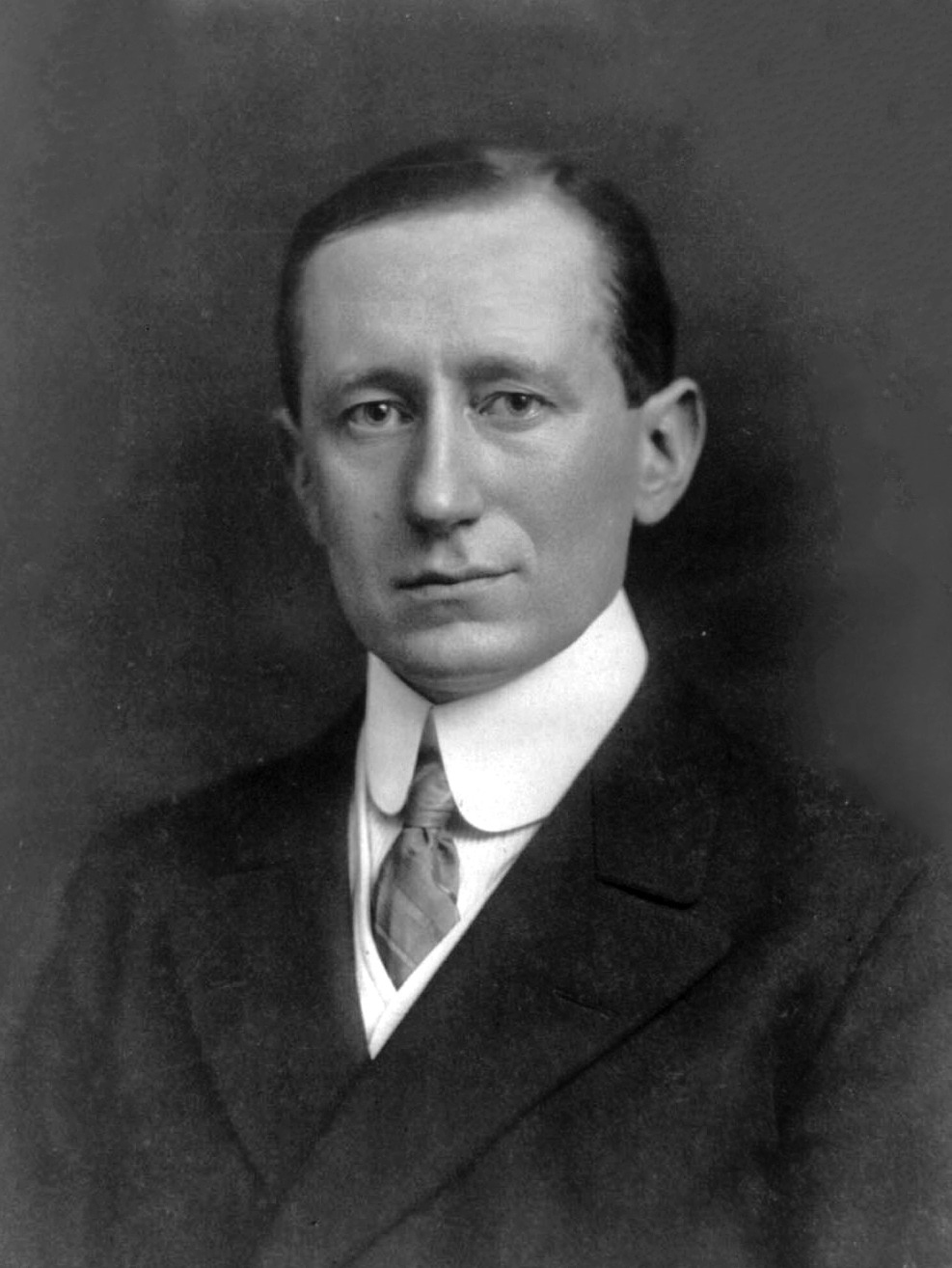
Marconi Reports a Wireless Signal Across the Atlantic
A contested early reception and a wider program of engineering helped push radio beyond the horizon.
On 12 December 1901, Guglielmo Marconi gathered with an assistant at a makeshift receiving station on Signal Hill in St. John's, Newfoundland. Using an aerial wire raised aloft by a kite, Marconi listened intently through a telephone earpiece for a predetermined signal sent across the Atlantic Ocean from a high-power transmitter erected at Poldhu in Cornwall, England. He reported detecting faint repetitions of the Morse code letter S, spanning a distance of roughly 2,200 miles. It was an extraordinary claim that promised to bypass the vast physical infrastructure of underwater telegraph lines, yet it rested on human hearing rather than an automated recording.
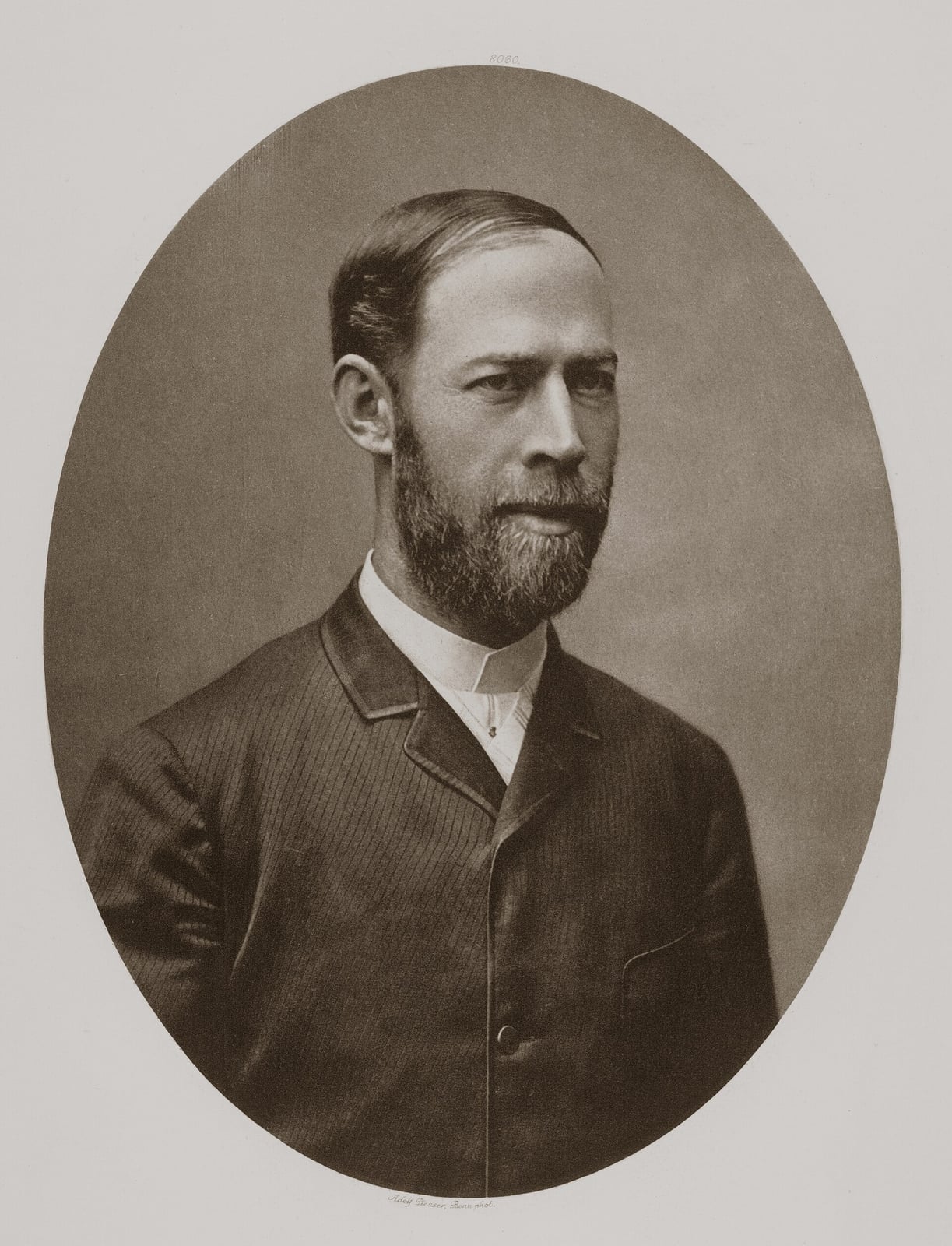
The demonstration followed years of systematic experimentation that transformed laboratory curiosities into long-range communication instruments. Building on Heinrich Hertz’s experiments with electromagnetic waves in the late 1880s, Marconi began working in 1894 in the attic of his family's estate near Bologna. Physicists had initially assumed that these waves moved along straight visual horizons like light. Marconi challenged that limit in the summer of 1895 by elevating his aerials and grounding his circuits, an earth-antenna configuration that generated vertically polarized waves able to overcome intervening topography.

Keep reading in Yester
Coming soon to the App Store
Keep following the story

Sources
Image: Pach Brothers