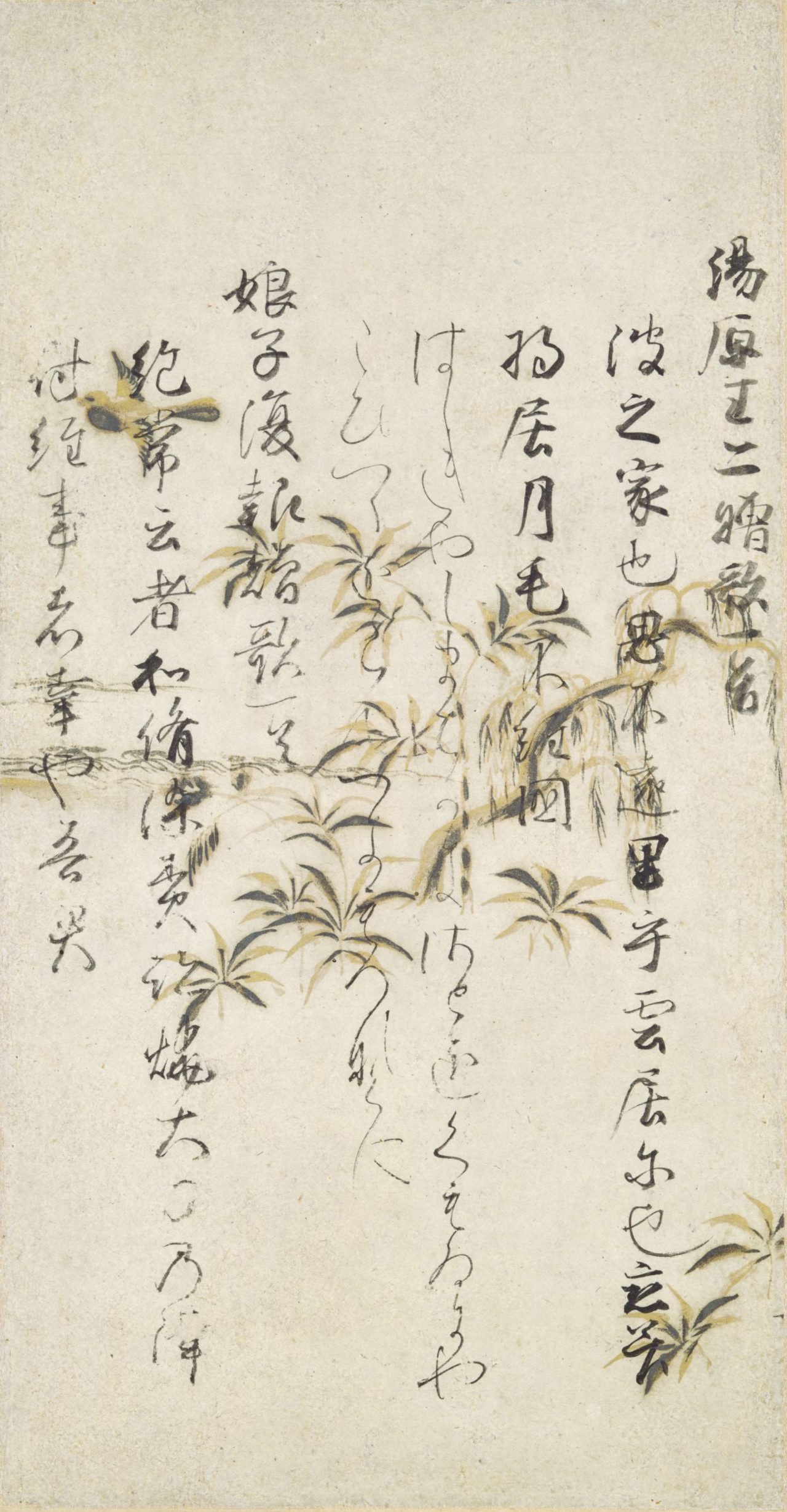
The Man’yōshū Gathers Japan’s Oldest Poems
An anthology of about 4,500 poems includes verses by emperors, soldiers and farmers.
Compiled during Japan's Nara period sometime after 759, the Man'yōshū stands as the oldest surviving anthology of Classical Japanese waka poetry. Spanning twenty volumes, the collection preserves about 4,500 poems composed primarily between 600 and 759, though its earliest verses reach back to legendary reigns. Unlike subsequent court anthologies that opened with formal prefaces, the Man'yōshū offers no introductory essay. The final datable entry dates to 759, and modern scholars widely consider the statesman and poet Otomo no Yakamochi to be either the primary compiler or the last in a series of figures who brought the massive compilation together.
The literal name of the anthology translates as the "Ten Thousand Leaves Collection," though its exact intended meaning remains open to scholarly debate. Leading interpretations proposed over the centuries suggest the title refers to a book collecting countless poems, an enduring work meant to survive for ten thousand generations, or a compilation using vast quantities of paper. Within its twenty volumes, the collection includes 4,207 short poems (tanka) and 265 long poems (choka), alongside single examples of rarer poetic styles, four works in classical Chinese (kanshi), and twenty-two Chinese prose passages. The poems are traditionally categorized into three primary themes: zoka, which encompass songs of travel and banquets; somonka, exploring love between men and women; and banka, elegies mourning the dead.

Keep reading in Yester
Coming soon to the App Store
Keep following the story
Sources
Image: Minamoto no Shitagō 源順 (911–983) (attributed)