Murasaki Shikibu Makes Court Life into a World of Fiction
Written in early eleventh-century Japan, The Tale of Genji explores status, intimacy and the passage of time. Its lasting force comes from complex lives, not a simple claim to being first.
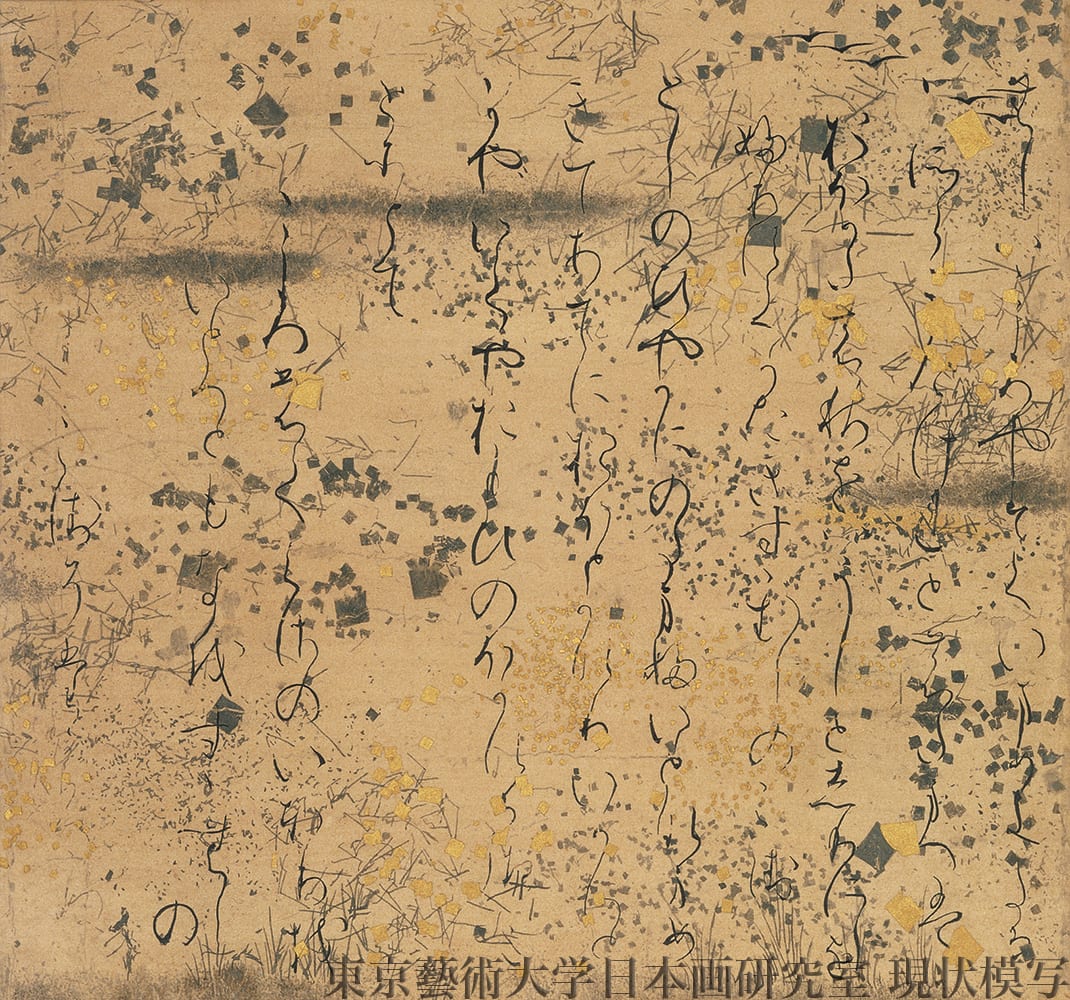
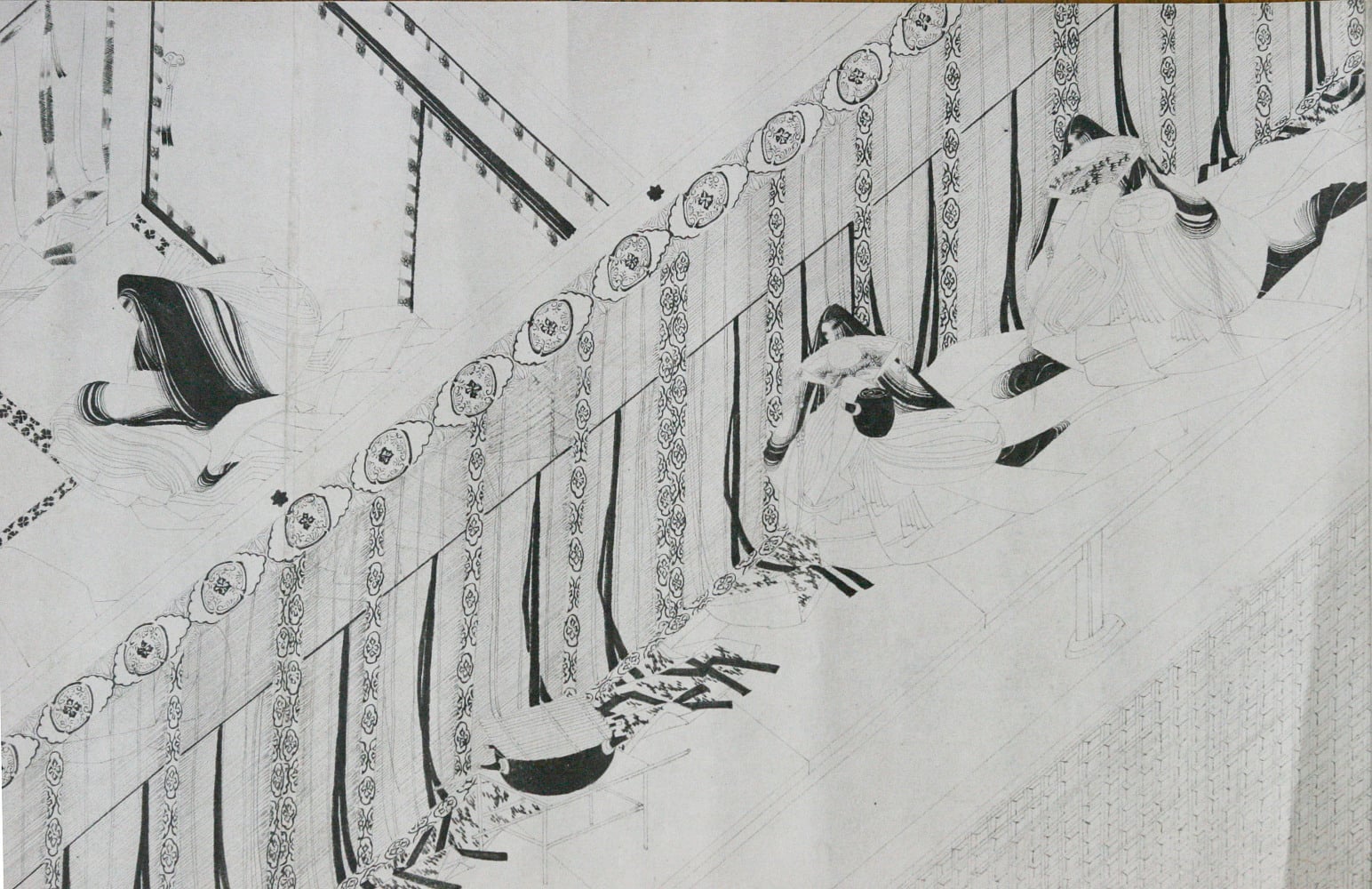
During the height of the Fujiwara clan's dominance in eleventh-century Japan, the noblewoman and lady-in-waiting Murasaki Shikibu produced The Tale of Genji, an expansive work chronicling court life in the capital of Heian-kyo. Circulated among aristocratic women in installments, the narrative followed the political fortunes and romantic entanglements of Hikaru Genji, the demoted son of an emperor, before tracing the lives of his descendants across subsequent generations.
The text reflected the linguistic boundaries of Heian literary culture. Prestigious administrative and scholarly compositions relied on Chinese characters, a domain reserved primarily for men. In contrast, Murasaki wrote vernacular prose using the phonetic hiragana script, a medium associated with women's writing that drew heavily on native Japanese vocabulary. Characters within the tale avoided the bluntness of personal names in accordance with court etiquette, identified instead through shifting titles, official ranks, or familial connections.

Keep reading in Yester
Coming soon to the App Store
Keep following the story
Sources
Image: Imperial Palace Kyoto