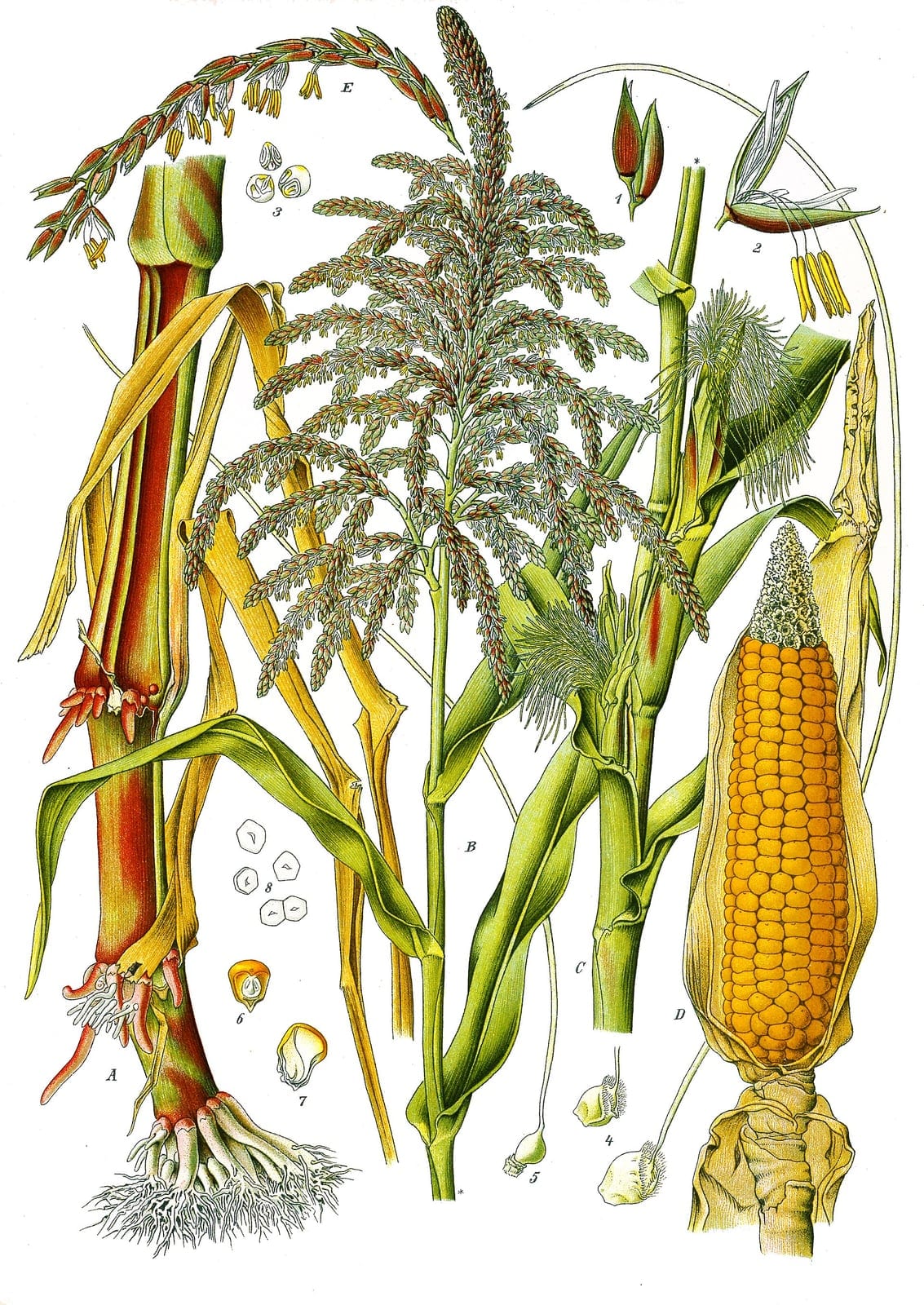
The Columbian Exchange Moves Crops and Diseases Across the Ocean
Maize, potatoes, horses and smallpox crossed between hemispheres after 1492.
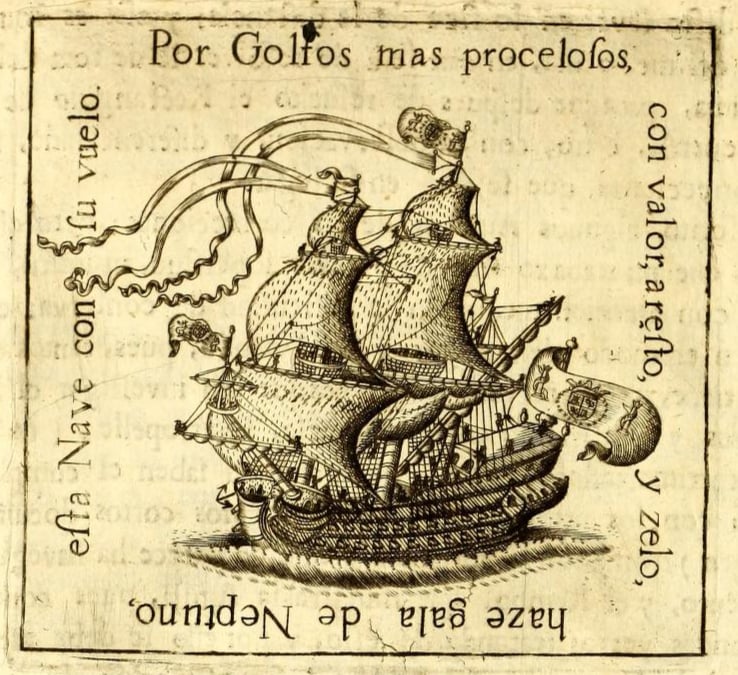
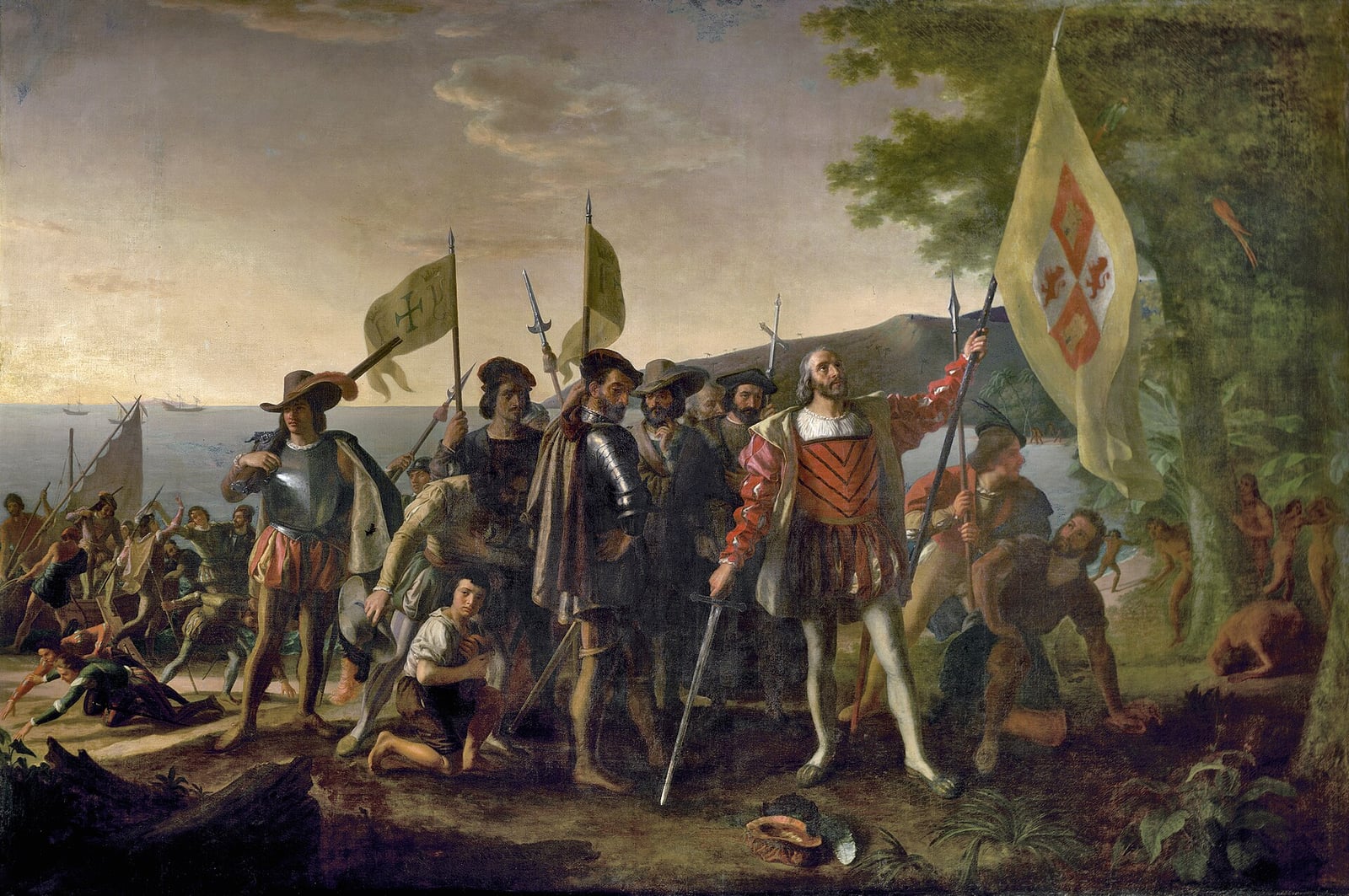
Following the transatlantic voyage of Christopher Columbus in 1492, long-separated biological worlds collided. Plants, animals, and pathogens began moving across the Atlantic Ocean between the Americas and Afro-Eurasia. In 1972, the American historian Alfred W. Crosby named this vast network of transfers the Columbian exchange. His work traced how the migration of organisms radically altered farming, human populations, and land use on both sides of the globe.
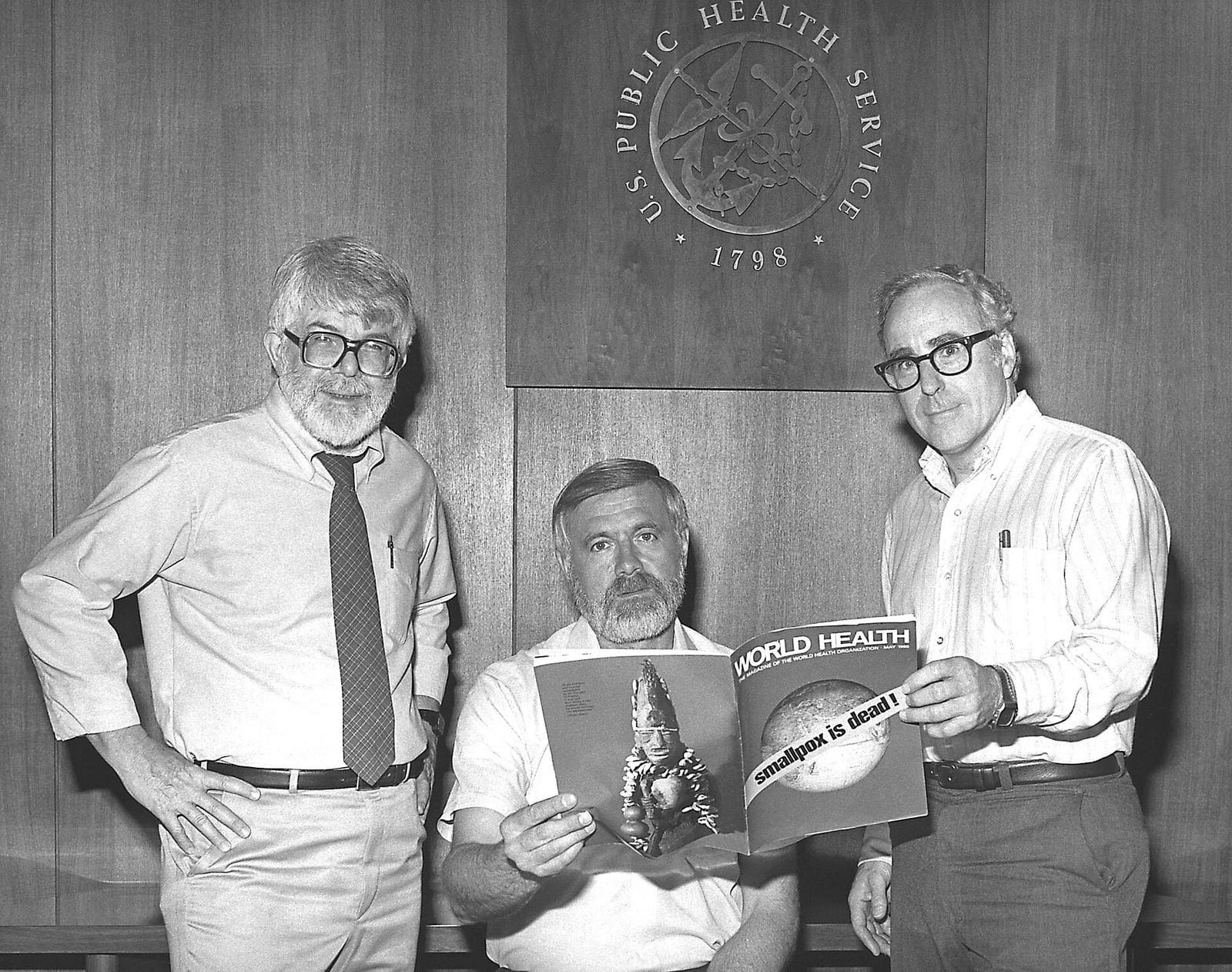
The most catastrophic consequence of these encounters was the spread of infectious Old World diseases among Indigenous populations who lacked acquired resistance. In 1518, smallpox was first recorded in the Americas and quickly proved devastating. Historians estimate that epidemics of smallpox, measles, typhus, and other contagions killed between 80 and 95 percent of the Indigenous population within a century to a century and a half after 1492. In central Mexico, the population dropped from an estimated twenty million to little more than one million during the sixteenth century, while the native inhabitants of several Caribbean islands vanished almost entirely.

Keep reading in Yester
Coming soon to the App Store
Keep following the story
Sources
- The Columbian Exchange: A History of Disease, Food, and Ideas, Nunn and Qian, Journal of Economic Perspectives (Northwestern University)
- Alfred W. Crosby on the Columbian Exchange (Smithsonian Magazine)
- Alfred W. Crosby, 87, of Nantucket, pioneering environmental historian (Boston Globe)
- Gross Injustice: the Trans-Atlantic Slave Trade Database (National Endowment for the Humanities, Humanities magazine)
- How Many Slaves Landed in the U.S.? (PBS, The African Americans: Many Rivers to Cross)
- Megadrought and Megadeath in 16th Century Mexico (CDC, Emerging Infectious Diseases)
- Columbian exchange
Image: Walter Müller