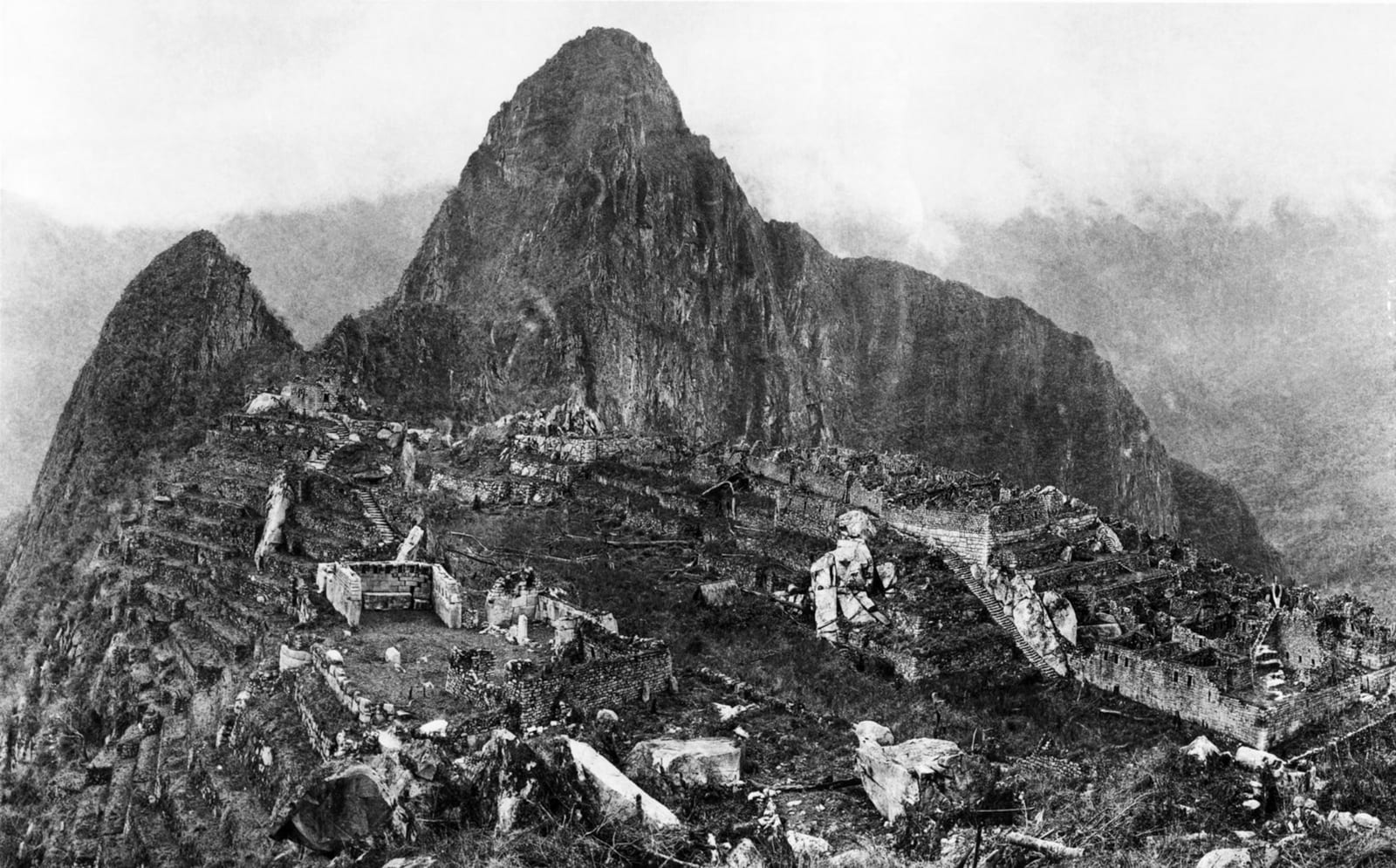
Machu Picchu Enters the World’s Imagination, but Was Never Unknown
Hiram Bingham’s 1911 visit brought international attention to an Inca site known locally. The resulting story raises questions about discovery, expertise and the ownership of heritage.
On 24 July 1911, the American historian Hiram Bingham climbed a steep ridge above the Urubamba River in southern Peru, guided by a local innkeeper and farmer named Melchor Arteaga. Near the summit, Bingham encountered two Quechua farmers, Richarte and Alvarez, who had cleared Inca terraces to cultivate crops four years earlier. Led across the ridge by Richarte's young son, Bingham walked into the overgrown stone citadel that would soon become famous around the world as Machu Picchu.
Bingham was not arriving at an abandoned wilderness unknown to the region. Regional maps had referenced the name Machu Picchu as early as 1874, and an atlas published in 1904 marked the area as Huayna Picchu. Furthermore, in 1902, the Peruvian explorer Agustín Lizárraga had reached the ruins and left his surname written in charcoal on a window in the Temple of the Three Windows. Bingham recorded Lizárraga's 1902 inscription in his pocket field journal and noted that the Peruvian had reached the site first, though Bingham later minimized Lizárraga's role in his own popular writings.

Keep reading in Yester
Coming soon to the App Store
Keep following the story
Sources
Image: Hiram Bingham III