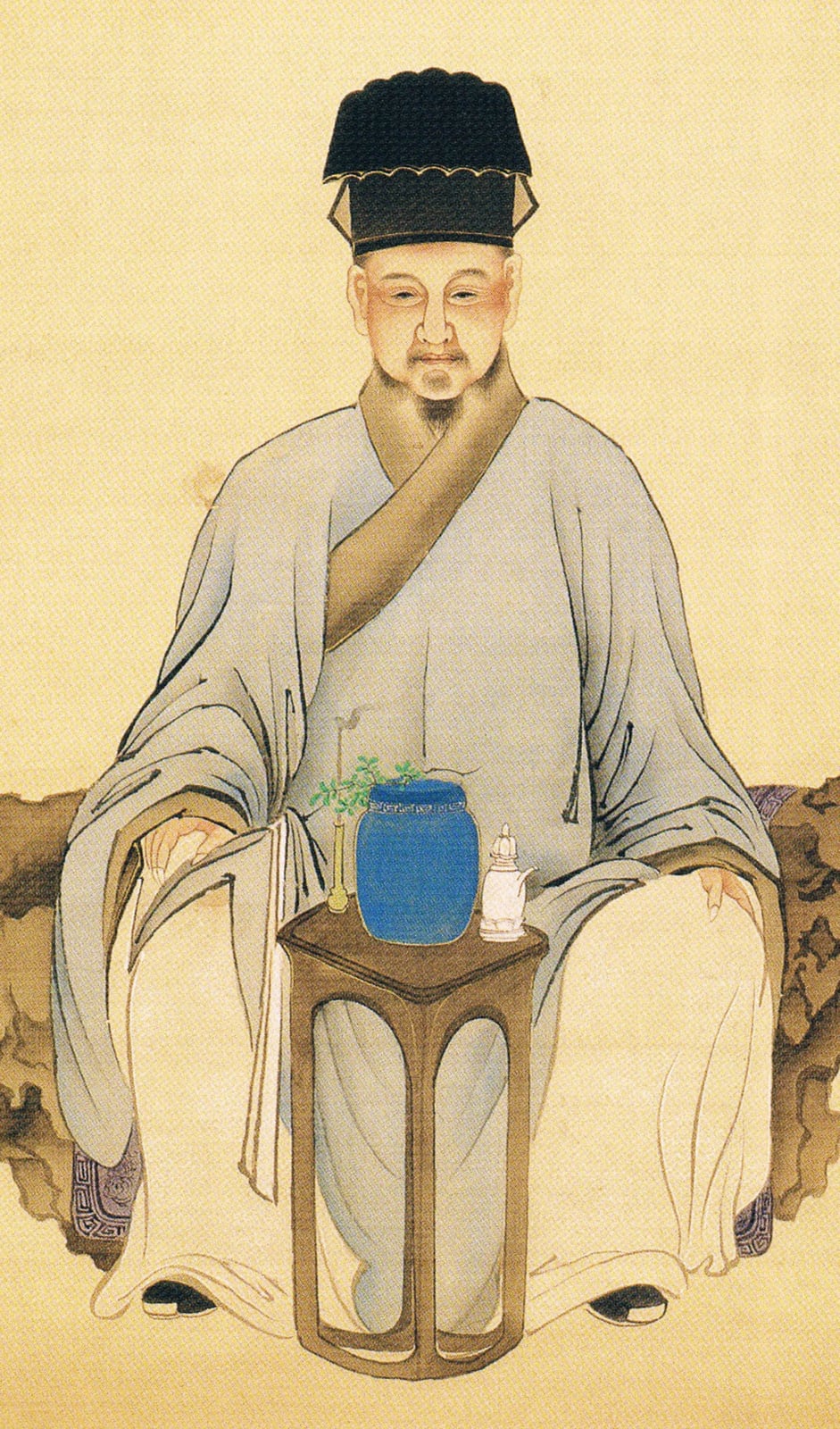
Lu Yu Writes The Classic of Tea
The first known book on tea set out how to grow, prepare and drink it.
During the eighth century, the Tang dynasty writer Lu Yu composed the Chajing, commonly translated as The Classic of Tea. Begun around 760 and revised over the following years, the work is recognized as the earliest known treatise dedicated to the cultivation, preparation, and consumption of tea. Although Lu Yu's original manuscript has been lost to time, with the oldest surviving printed edition dating from 1273, in the Southern Song dynasty, the text endured as a foundational study of Chinese tea culture and established a systematic approach to beverage craft that influenced subsequent generations.
Traditional accounts preserved in lore state that Lu Yu was an orphan from Jingling county, located in modern Tianmen City within Hubei Province. Adopted by a Buddhist monk at Longgai Monastery, he declined to take religious vows and was tasked with menial chores. According to these narratives, he eventually absconded to work as a performer in a theatrical troupe. His intellectual aptitude later brought him to the attention of a local governor named Li Qiwu, who granted the adolescent access to an extensive library and private tutoring, enabling him to acquire a classical education.

Keep reading in Yester
Coming soon to the App Store
Keep following the story
Sources
- The Tea Classic, by Lu Yu (INALCO, Institut national des langues et civilisations orientales)
- A medium for meditation and enlightenment (China Daily)
- Sip It Slow And Other Lessons From The Oldest Tea Book In The World (NPR)
- National Library of China tea classics exhibition (The Paper)
- National Library of China tea exhibition report (China Intangible Cultural Heritage Network)
- Cha Jing, Lu Yu, original Chinese text (Project Gutenberg)
- Tang tea vessels and the Classic of Tea (China Intangible Cultural Heritage Network)
- The Classic of Tea
Image: 春木南溟