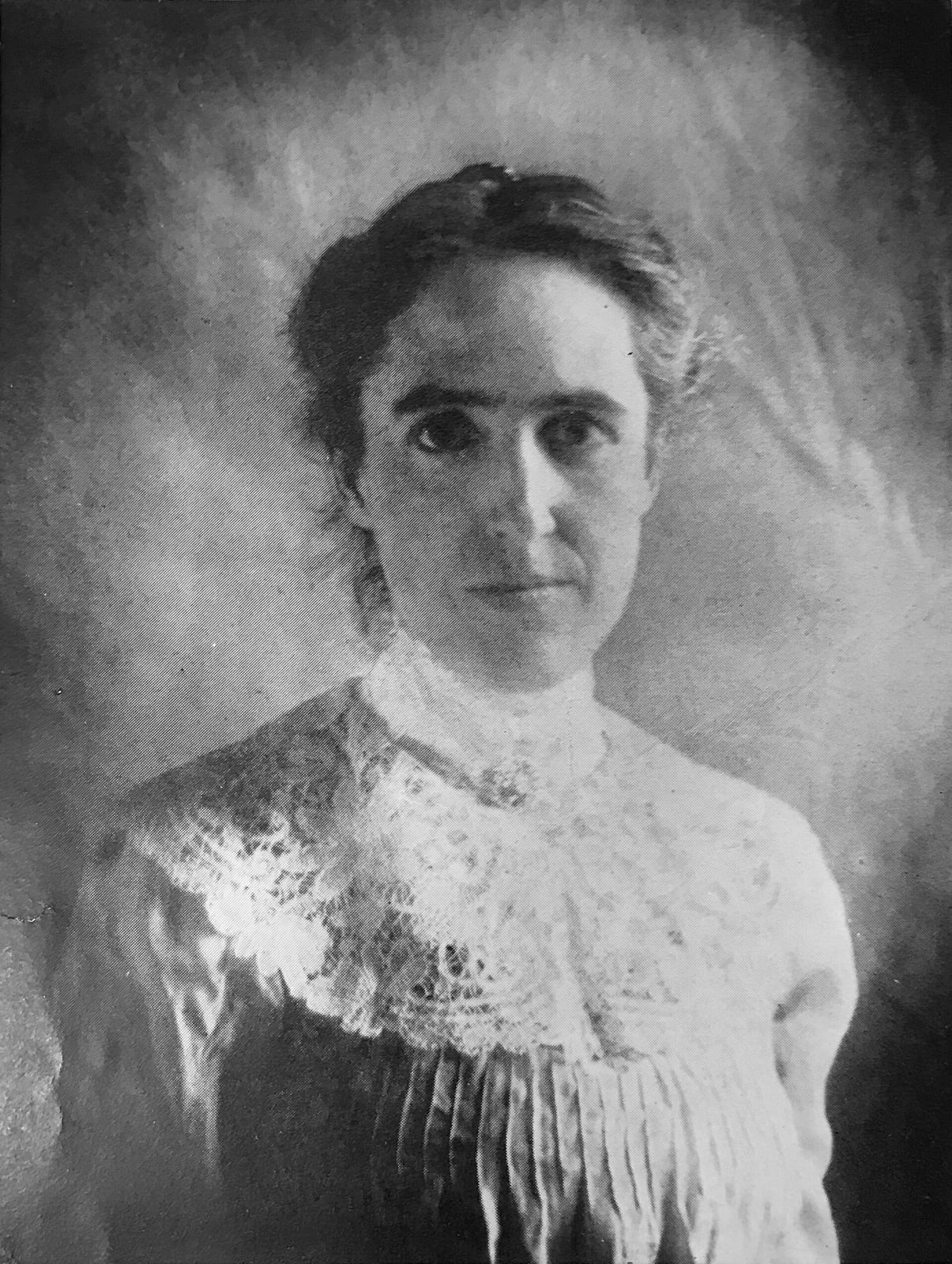
Henrietta Leavitt Finds a Way to Measure the Universe
A pattern in pulsating stars gave astronomers a cosmic yardstick.
In the opening years of the twentieth century, measuring the vastness of the heavens remained one of the central dilemmas in astronomy. Scientists relied principally on stellar parallax, a geometric technique that calculated distances by observing how a star appeared to shift position against more distant objects as the Earth orbited the Sun. While reliable for nearby celestial bodies, parallax became ineffective for all but relatively nearby stars, leaving the scale of the broader cosmos fundamentally uncertain.
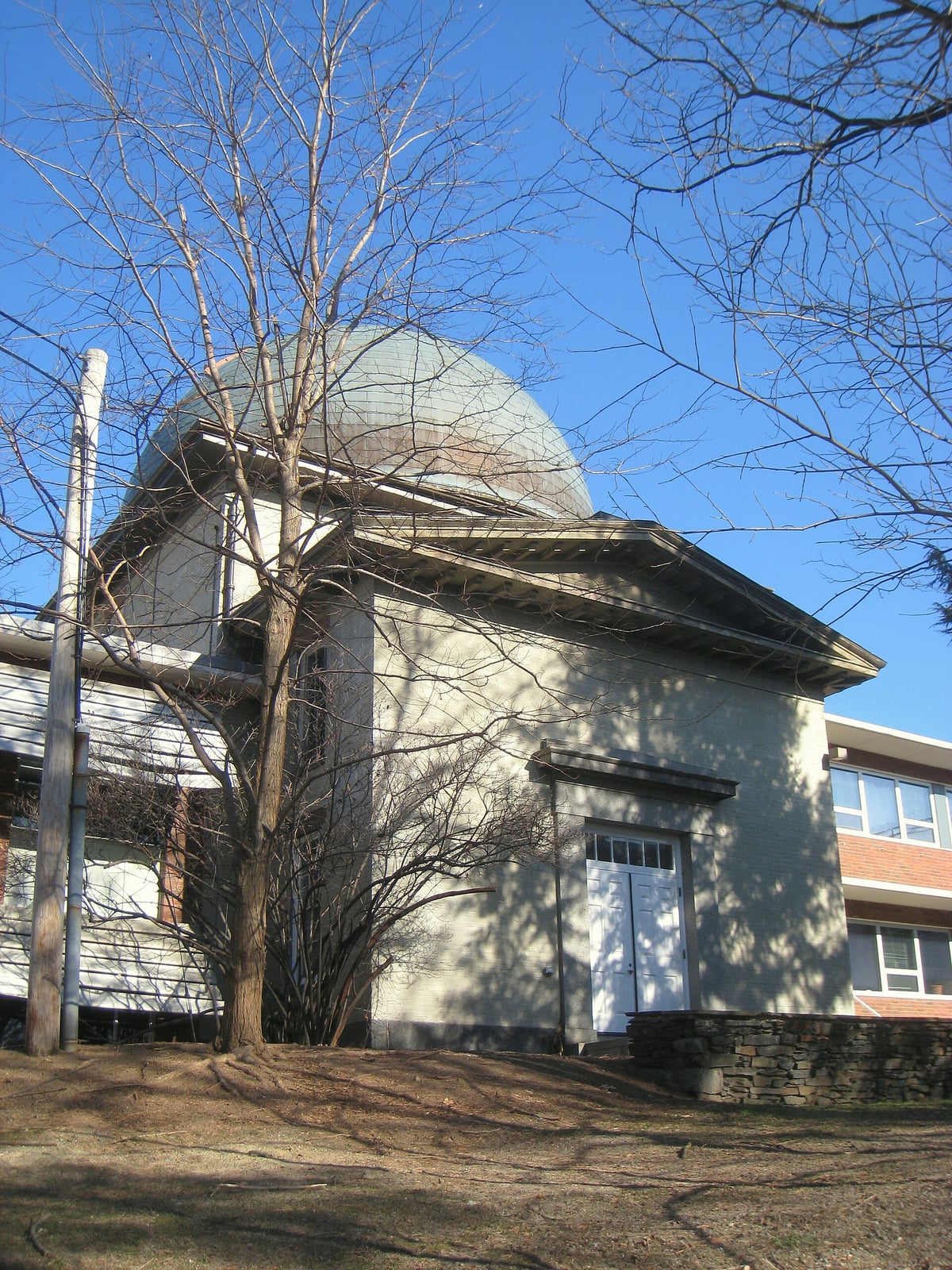
Henrietta Swan Leavitt addressed this limit from her desk at the Harvard College Observatory. After studying at Oberlin College and earning a bachelor's degree in 1892 from Radcliffe College, she had joined the observatory staff as a human computer under director Edward Charles Pickering. Women at the institution were barred from operating the telescopes, working instead to analyze photographic glass plates captured by instruments such as the Bruce Astrograph at the observatory station in Arequipa, Peru.

Keep reading in Yester
Coming soon to the App Store
Keep following the story
Sources
- December 12, 1921: Death of Henrietta Swan Leavitt (American Physical Society)
- 150 years later, her star is still rising (Harvard Gazette, CfA Communications)
- Celebrate Henrietta Swan Leavitt's 150th Birthday (Center for Astrophysics, Harvard and Smithsonian)
- Henrietta S. Leavitt, Following Her Stars (Center for Astrophysics, Harvard and Smithsonian)
- Henrietta Swan Leavitt
Image: Unknown author Unknown author