Cecilia Payne Identifies the Main Ingredients of Stars
A stellar-atmosphere study challenged assumptions about cosmic composition.
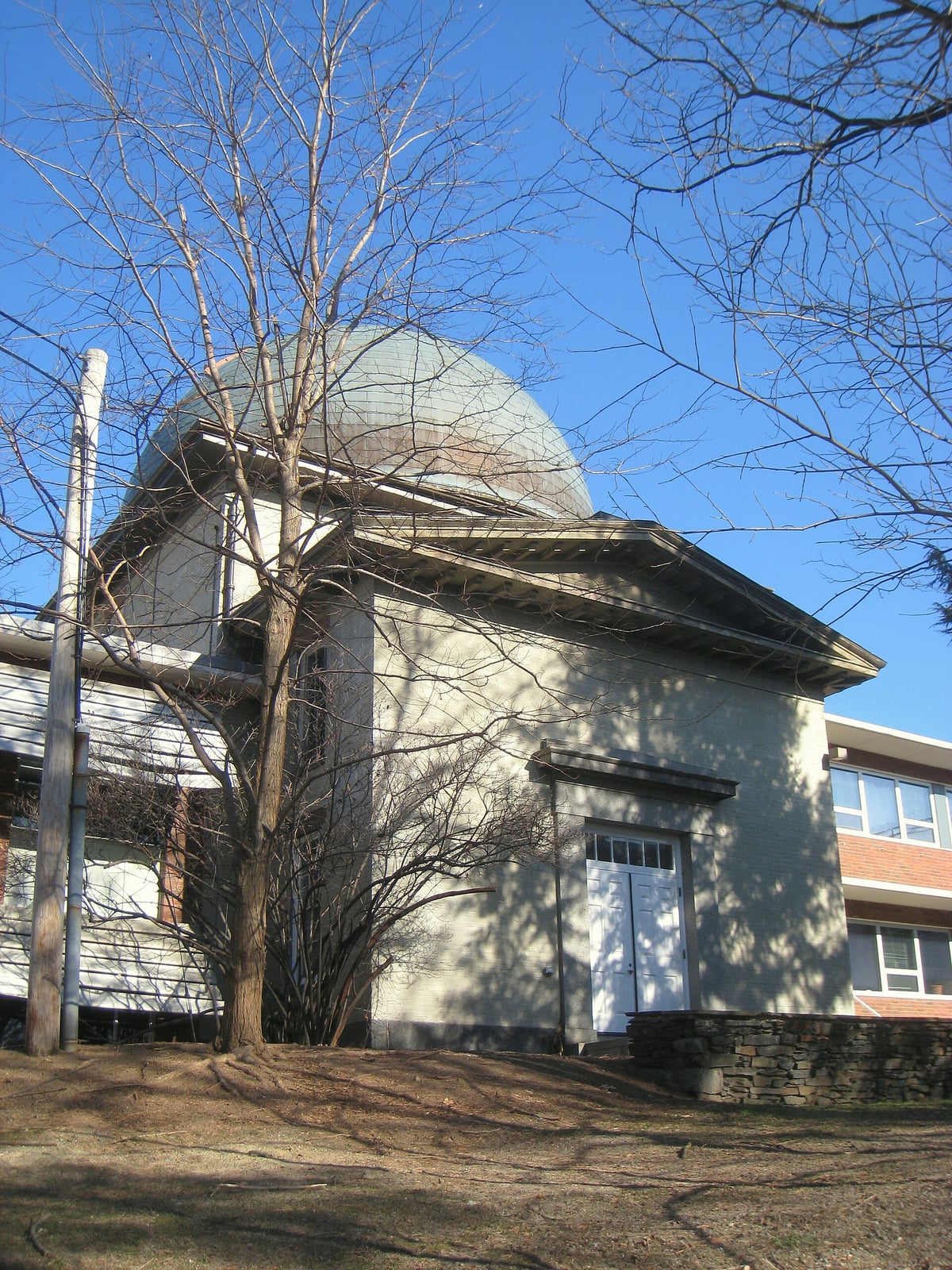
In 1925, Cecilia Payne completed a doctoral dissertation at Radcliffe College that fundamentally challenged how astronomers understood the composition of the universe. Studying at the Harvard College Observatory in Massachusetts, she analyzed photographic glass plates documenting stellar spectra. At the time, the prevailing scientific consensus maintained that stars and the Earth shared roughly identical elemental proportions, a view championed by prominent astronomers who relied on the assumption that heating terrestrial matter would yield a spectrum identical to that of the Sun.
Payne re-examined this assumption by applying the ionization theory formulated by the Indian physicist Meghnad Saha. She demonstrated that the observed differences in stellar spectral absorption lines reflected distinct levels of ionization caused by varying temperatures, rather than differing quantities of elements. While her analysis showed that common metals, silicon, and carbon were present in stars in proportions comparable to those on Earth, her calculations revealed that helium and hydrogen appeared in vastly greater quantities, with hydrogen around a million times more abundant than anticipated.

Keep reading in Yester
Coming soon to the App Store
Keep following the story
Sources
Image: Daderot