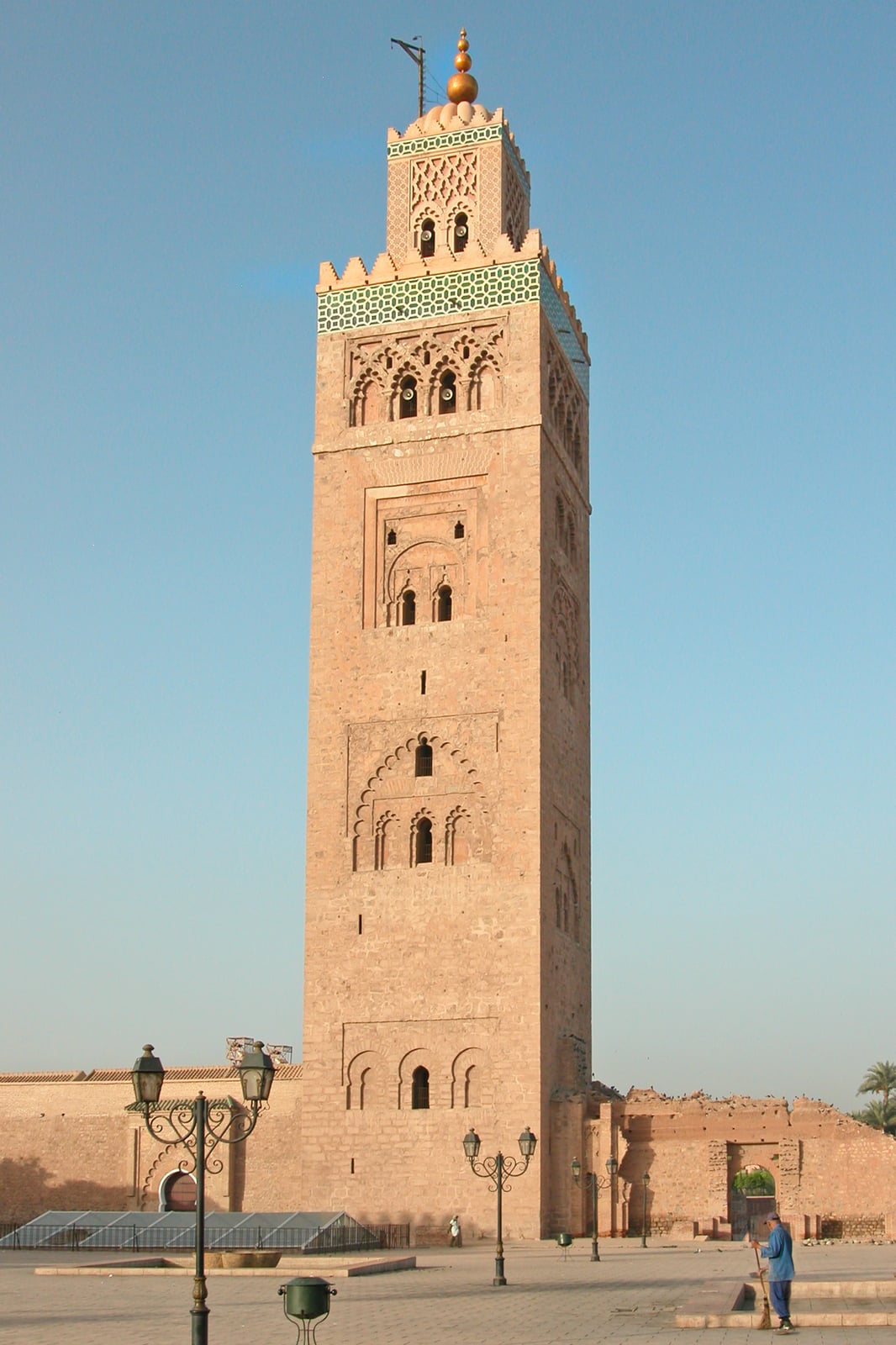
The Almohads Build the Koutoubia Mosque
Its tall minaret became a model for towers in Seville and Rabat.
When the Almohad leader Abd al-Mu'min captured Marrakesh from the rival Almoravids in 1147, he chose to retain the city as his imperial capital while systematically replacing its religious infrastructure. Denouncing the Almoravids as heretics, the Almohads took issue with the orientation of existing places of worship, asserting that their prayer direction, or qibla, aimed too far east. Instead of renovating the established Ben Youssef Mosque, Abd al-Mu'min founded a new grand mosque adjacent to the former Almoravid stone fortress, the Ksar al-Hajjar. This position allowed direct access between the caliphal palace and the prayer hall while establishing the nascent dynasty's religious authority at the edge of the central marketplace.
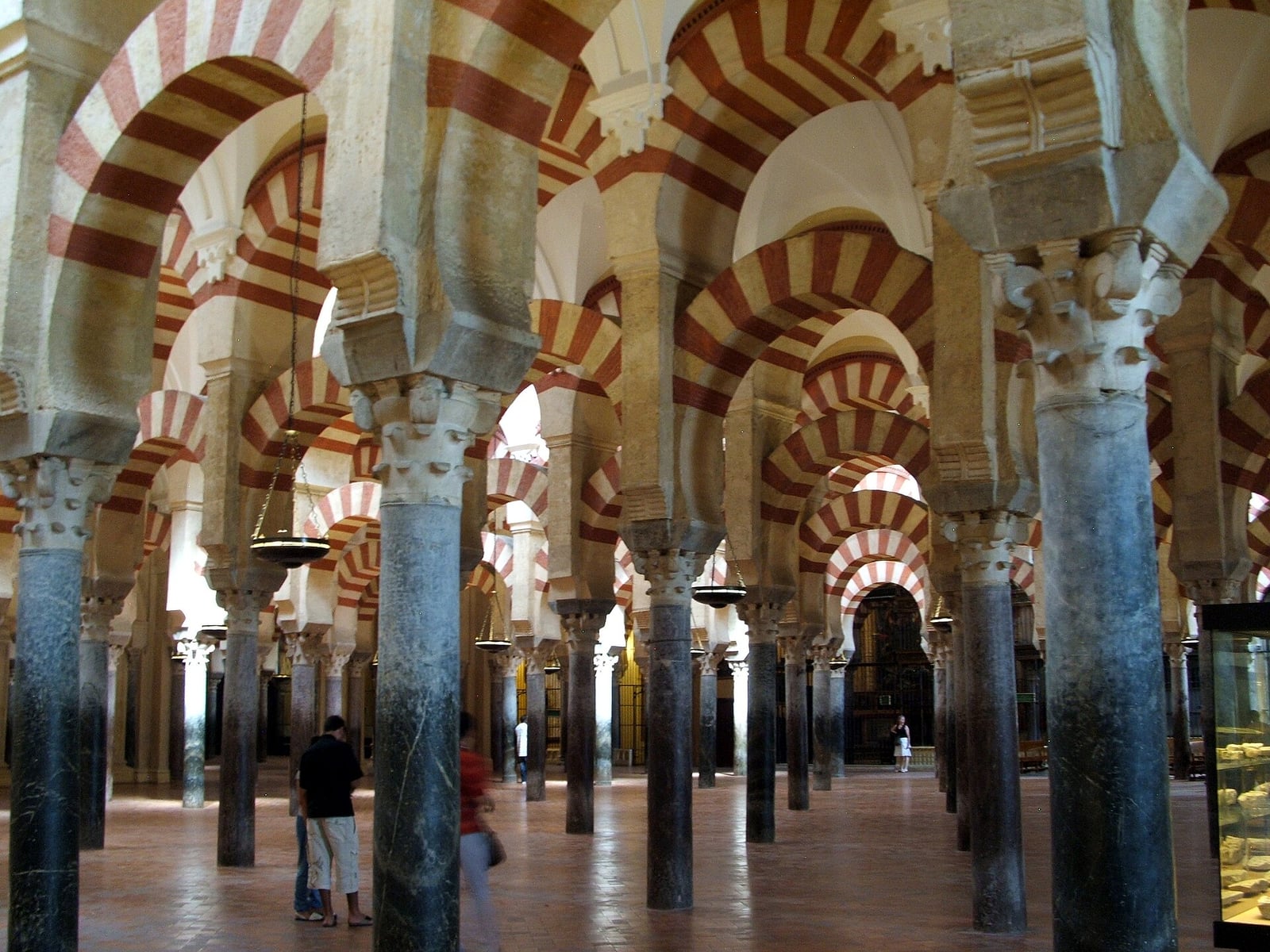
The alignment chosen for this new sanctuary mirrored an older western Islamic convention rather than true geographic orientation. While the shortest path across the Earth toward Mecca from Marrakesh points roughly east at an azimuth of 91 degrees, the Almohad builders adopted a southern orientation around 154 degrees. This alignment echoed earlier prestigious foundations such as the Great Mosque of Cordoba and the Qarawiyyin in Fez. These early western sanctuaries adhered to traditions that favored southern bearings or sought to align with the walls of the Kaaba, providing religious legitimacy that served to set the Almohads apart from their immediate predecessors.

Keep reading in Yester
Coming soon to the App Store
Keep following the story

Sources
Image: Jean-Pierre Dalbéra