Soldiers Fight Along the Kokoda Track
A campaign over mountain jungle halted a Japanese advance on Port Moresby.
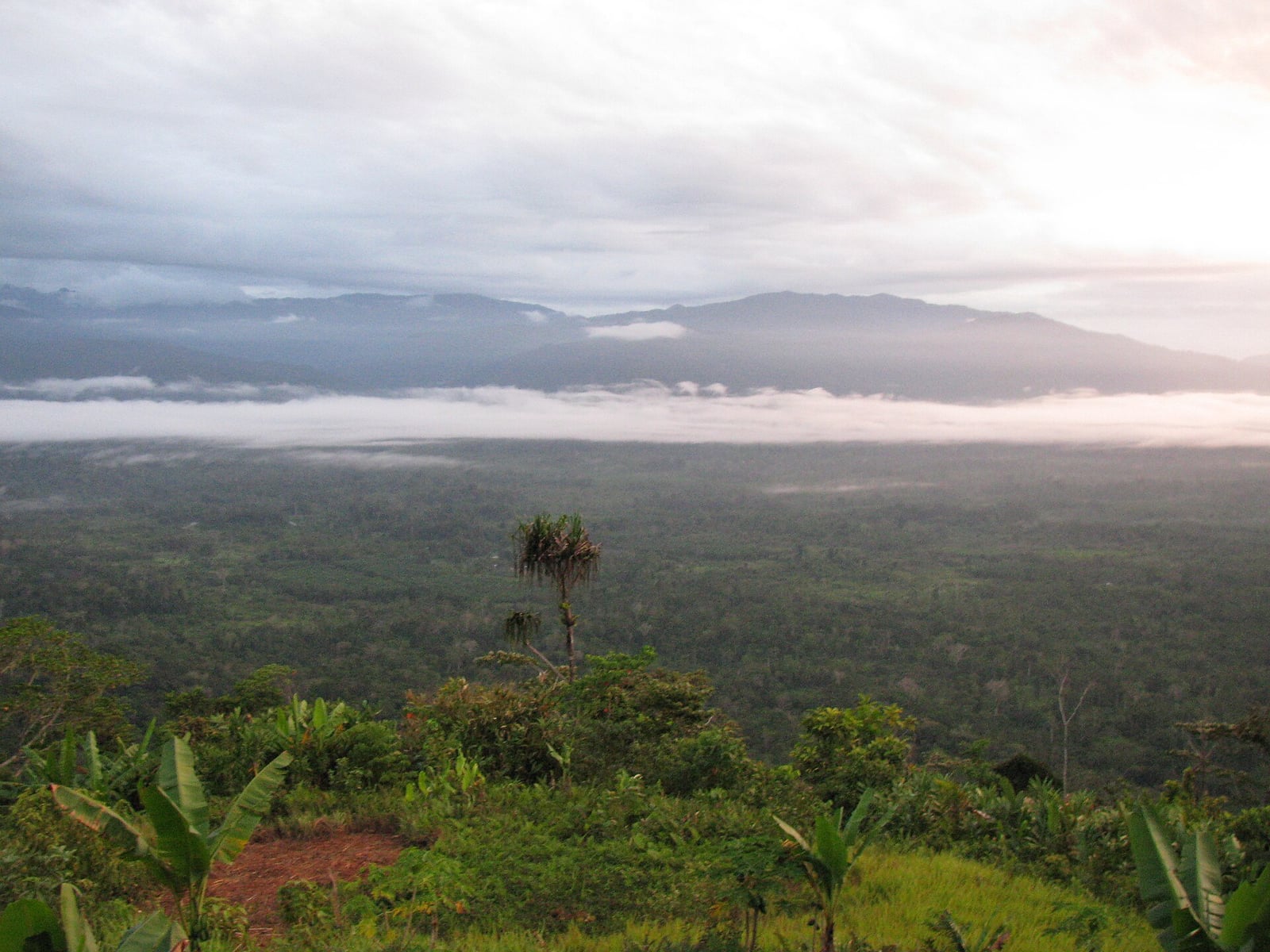
On 21 July 1942, Japanese forces landed near Gona and Buna on the northern coast of the Australian Territory of Papua. Imperial General Headquarters had previously dismissed direct invasion of mainland Australia as beyond its naval and military capacity, opting instead to isolate the continent from the United States by seizing Port Moresby. After an amphibious assault was thwarted at the Battle of the Coral Sea, Japanese commanders turned to an overland route. Led by Major General Tomitaro Horii, the South Seas Detachment began pushing south across the Owen Stanley Range along a rugged, ninety-six-kilometre mountain path known as the Kokoda Track.
Initial opposition fell to local units, including the Papuan Infantry Battalion and Australia's inexperienced 39th Battalion, grouped under the designation Maroubra Force. The Japanese rapidly took the village of Kokoda and its crucial airfield on 29 July. Australian forces mounted counterattacks but were progressively pushed back along the trail. Dense tropical rainforest, relentless steep climbs and descents, torrential rain, and tropical diseases such as dysentery and malaria placed extraordinary strain on both armies. Logistical hurdles deepened the crisis for Australian troops, who lacked artillery, heavy mortars, and adequate aerial resupply, while Japanese forces had successfully carried mountain guns and light howitzers into the ranges.

Keep reading in Yester
Coming soon to the App Store
Keep following the story
Sources
Image: Arthur Chapman