Hiroshima, Beyond the Moment of the Explosion
The first atomic bombing destroyed much of a city in seconds. Its history also belongs to those who searched, treated, rebuilt and carried the consequences into the following decades.
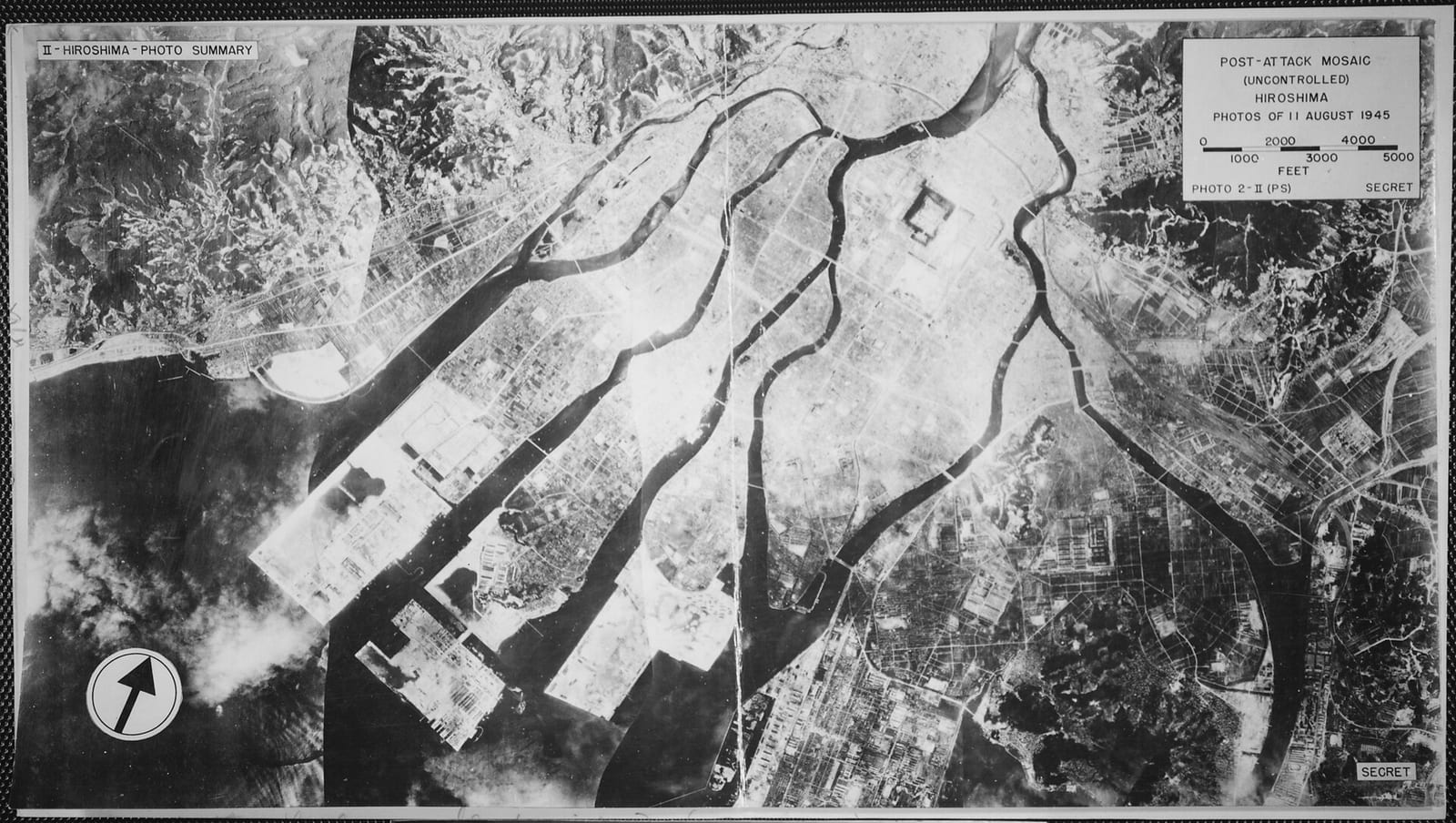
At 8:15 on the morning of August 6, 1945, an American atomic bomb exploded above Hiroshima. A city of homes, schools, workplaces and military installations became the first target of a nuclear weapon used in war. Heat, blast and fires destroyed much of the urban area. People who survived the initial explosion faced injuries, missing relatives and a medical system damaged at the very moment it was needed most. The event cannot be understood only from the aircraft that delivered the weapon.
Hiroshima was not an empty point on a military map. Its population included children, elderly residents, mobilized workers and people brought from colonized Korea. The bomb’s effects did not sort people according to their roles in the war. Streets and familiar landmarks ceased to function as a navigable city. For survivors, finding water, shelter or another person could become an urgent undertaking. These immediate human tasks are easily lost when the story is told mainly through yields, aircraft names and strategic calculations.

Keep reading in Yester
Coming soon to the App Store
Keep following the story
Sources
Image: Unknown author Unknown author or not provided