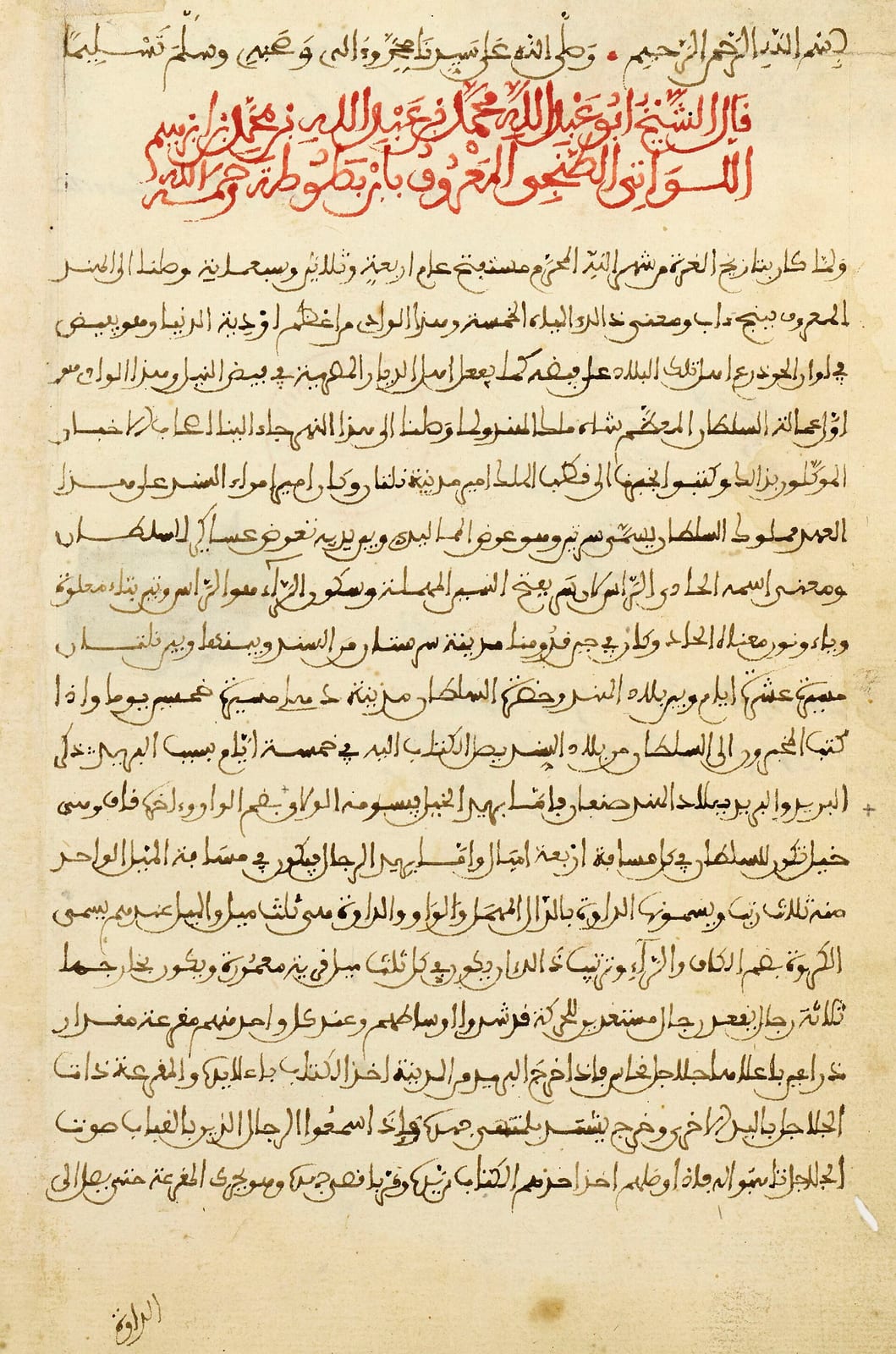
Ibn Battuta Leaves Tangier and Builds a World of Travels
A pilgrimage expanded into a remarkable travel account whose memories also require careful historical reading.
In June 1325, a twenty-one-year-old legal student named Abu Abdullah Muhammad ibn Battuta departed his native Tangier to embark on the hajj pilgrimage to Mecca. Born into a family of Islamic judges belonging to the Lawata clan, he was educated in the Sunni Maliki legal tradition that prevailed in North Africa under the Marinid dynasty. A journey to the holy sanctuaries of Arabia typically took over a year, yet what began as an overland transit across the coastal regions of the Maghreb turned into nearly three decades of travel throughout Africa, Asia, and the Mediterranean world.
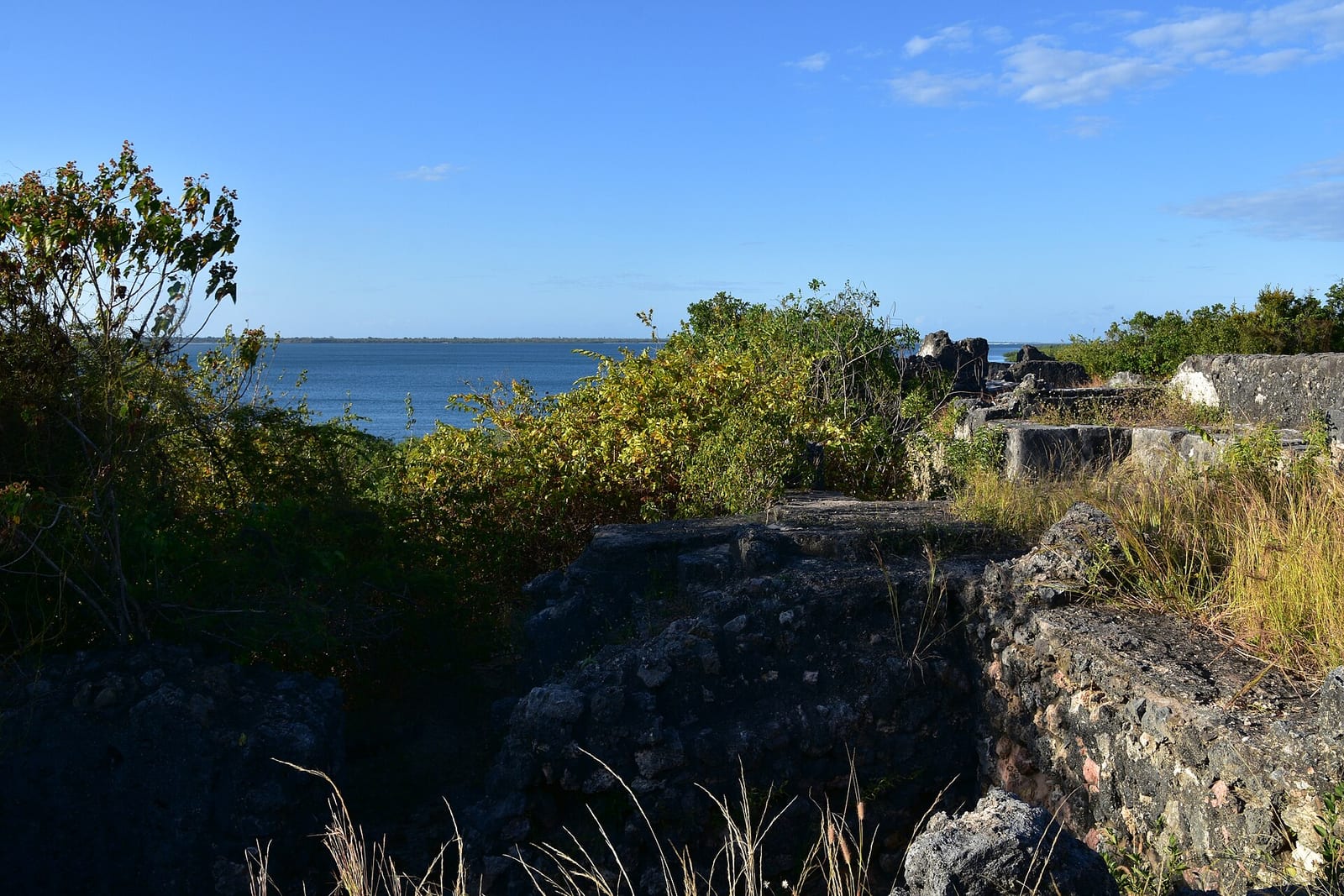
Relying on his status as a trained scholar, Ibn Battuta secured hospitality, judicial appointments, and diplomatic patronage across diverse Muslim societies. Travelling primarily with trade and pilgrim caravans for protection, he crossed Egypt and Syria before completing his first pilgrimage in 1326. Rather than heading home, he redirected his path into the Mongol Ilkhanate, crossing Mesopotamia and parts of western Persia. Over subsequent years, he sailed the Red Sea, visited Yemen, and navigated down the East African coast. There he visited the island city of Kilwa, observing its prosperous trade networks and royal building projects.

Keep reading in Yester
Coming soon to the App Store
Keep following the story

Sources
Image: أبو عبد الله محمد بن جزي ابن بطوطة