Omar Khayyam Helps Reform the Persian Calendar
A team of astronomers produced a solar calendar of remarkable accuracy.
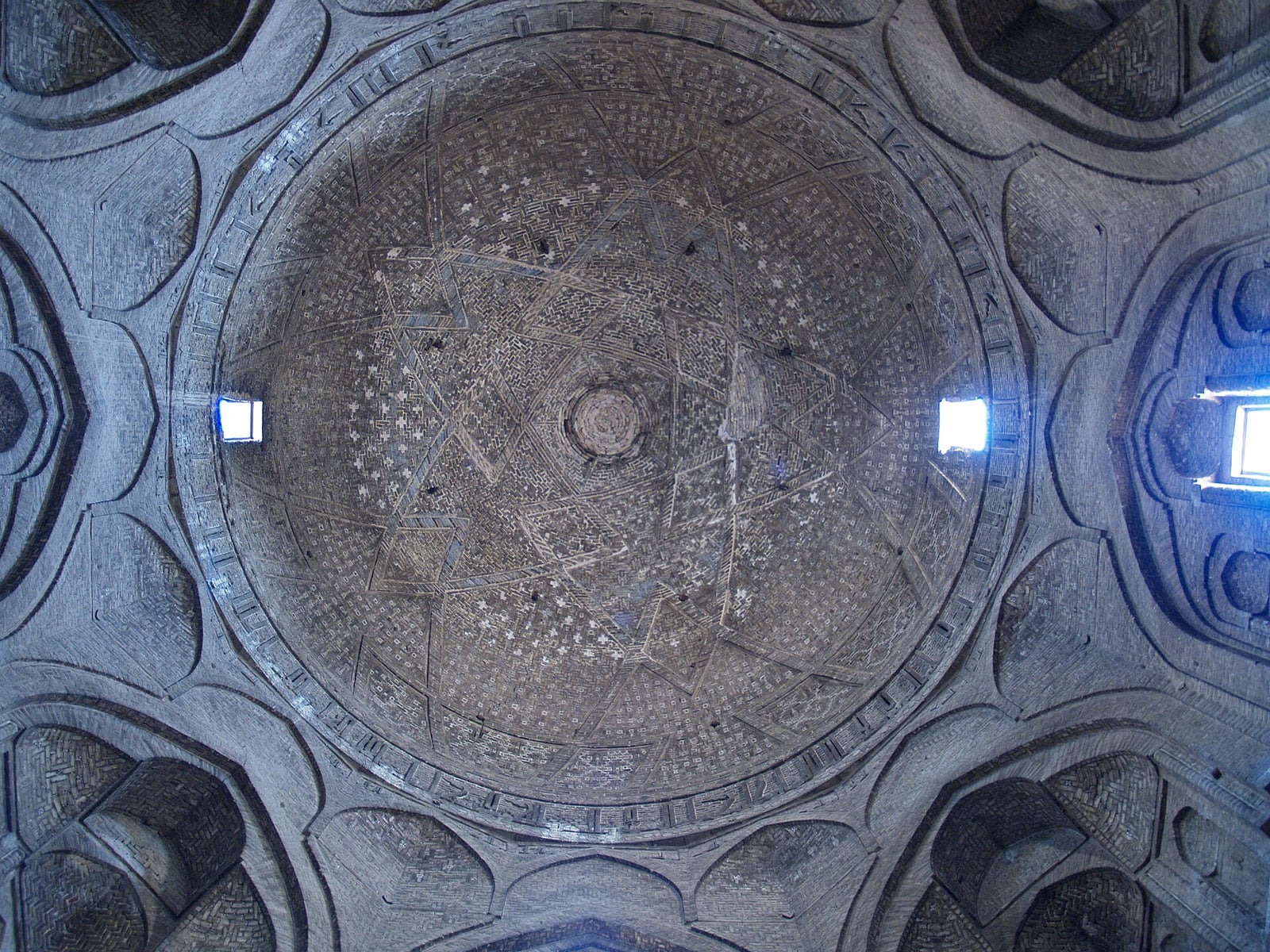
On 15 March 1079, the Seljuk ruler Jalaluddin Malik-Shah I formally adopted a new solar calendar across his empire. The project had been launched some years earlier with the backing of his grand vizier, Nizam al-Mulk. To carry out the astronomical measurements required for such a reform, imperial authorities assembled a group of astronomers at an observatory in the Seljuk capital of Isfahan. Among the scholars invited to lead these observations was the mathematician and poet Omar Khayyam, who worked alongside colleagues utilizing data gathered not only in Isfahan, but also in the regional centers of Rey and Nishapur.
The initiative responded directly to the administrative and economic shortcomings of the traditional lunar calendar. A standard lunar year comprised roughly 354 days, causing religious and civic dates to cycle continuously through the natural seasons. For settled, agrarian communities across the Middle East, this constant drift complicated the scheduling of crop harvests, revenue assessments, and the disbursement of state salaries. Because the Persian fiscal year traditionally coordinated the collection of agricultural taxes, the imperial administration required a system synchronized with the solar cycle. Other agrarian Muslim communities had similarly turned to regional solar frameworks, including the Coptic, Julian, and Semitic calendars, to organize their farming cycles.

Keep reading in Yester
Coming soon to the App Store
Keep following the story
Sources
- Calendars ii. In the Islamic Period (Encyclopaedia Iranica)
- Calendars iii. Afghan Calendars (Encyclopaedia Iranica)
- Khayyam, by Behnaz Hashemipour (Biographical Encyclopedia of Astronomers, via McGill University RASI)
- Omar Khayyam (MacTutor History of Mathematics, University of St Andrews)
- Jalali calendar
Image: seier+seier