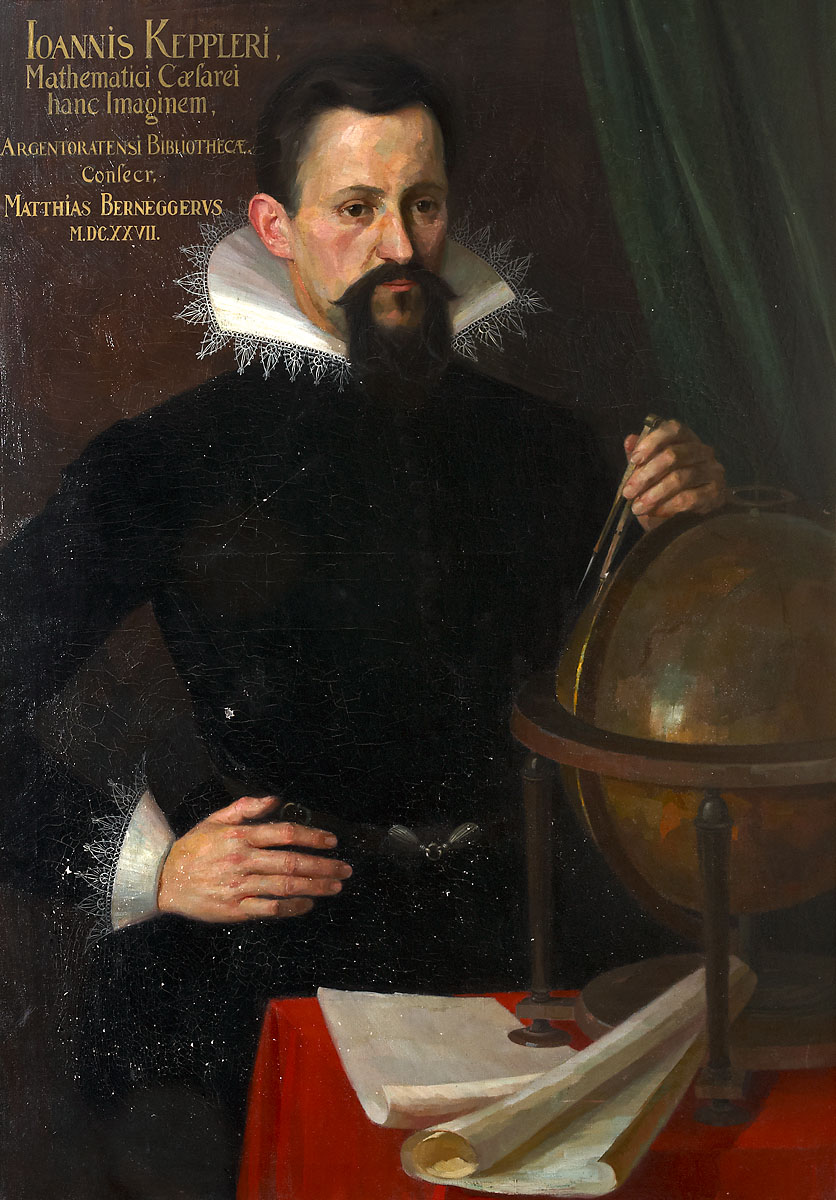
Kepler Finds a Different Geometry for Planetary Motion
A difficult investigation of Mars challenged inherited assumptions about how planets travel around the Sun.
When Johannes Kepler completed the manuscript for Astronomia nova in September 1607, he brought to an end several years of intensive calculations centered on the orbit of Mars. Published in 1609, the extensive text traced his protracted efforts to reconcile celestial geometries with physical explanations. Some readers had treated Nicolaus Copernicus's heliocentric arrangement as a computational convenience rather than a realistic account of physical causes. Kepler intended to demonstrate that real physical forces governed planetary motions, and he built his inquiry upon the extensive observations recorded by Tycho Brahe.
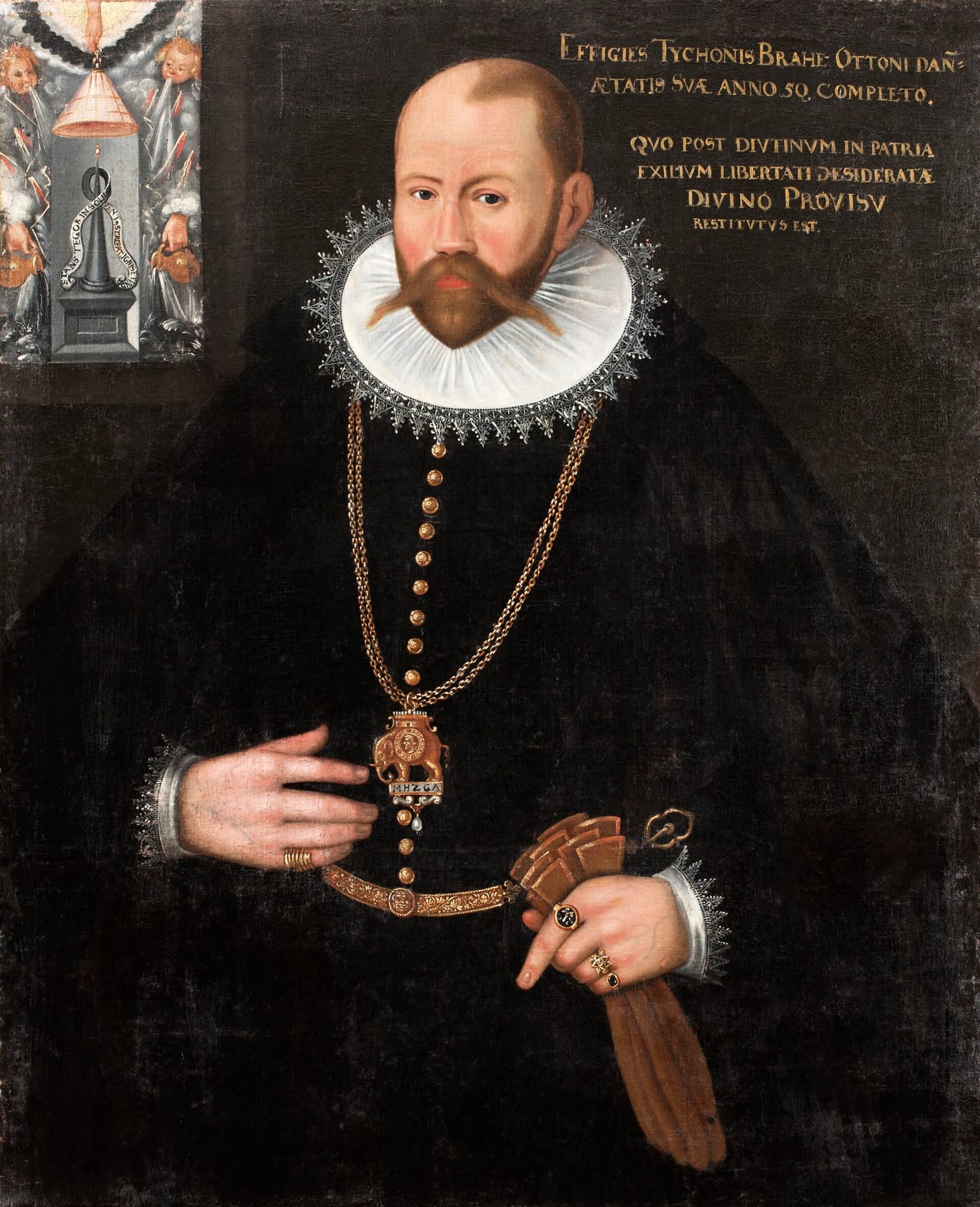
Brahe had urged Kepler from his deathbed in 1601 to advance his own astronomical system, but Kepler ultimately rejected Brahe's model alongside the systems of Ptolemy and Copernicus. While some later scholars speculated that personal friction between the two men influenced this decision, Kepler's immediate obstacle was practical. Brahe and his assistants had struggled to reconcile Mars's observed ecliptic latitudes with existing models, even though their mathematical constructions matched ecliptic longitudes to within two minutes of arc. Kepler took on the assignment of constructing a comprehensive model that could satisfy the full set of empirical positions.

Keep reading in Yester
Coming soon to the App Store
Keep following the story
Sources
Image: August Köhler [1]