Four Papers That Unsettled Physics
While working in a patent office, Einstein published ideas about light, atoms, time and mass. They did not form one discovery, but together they changed what physics could explain.
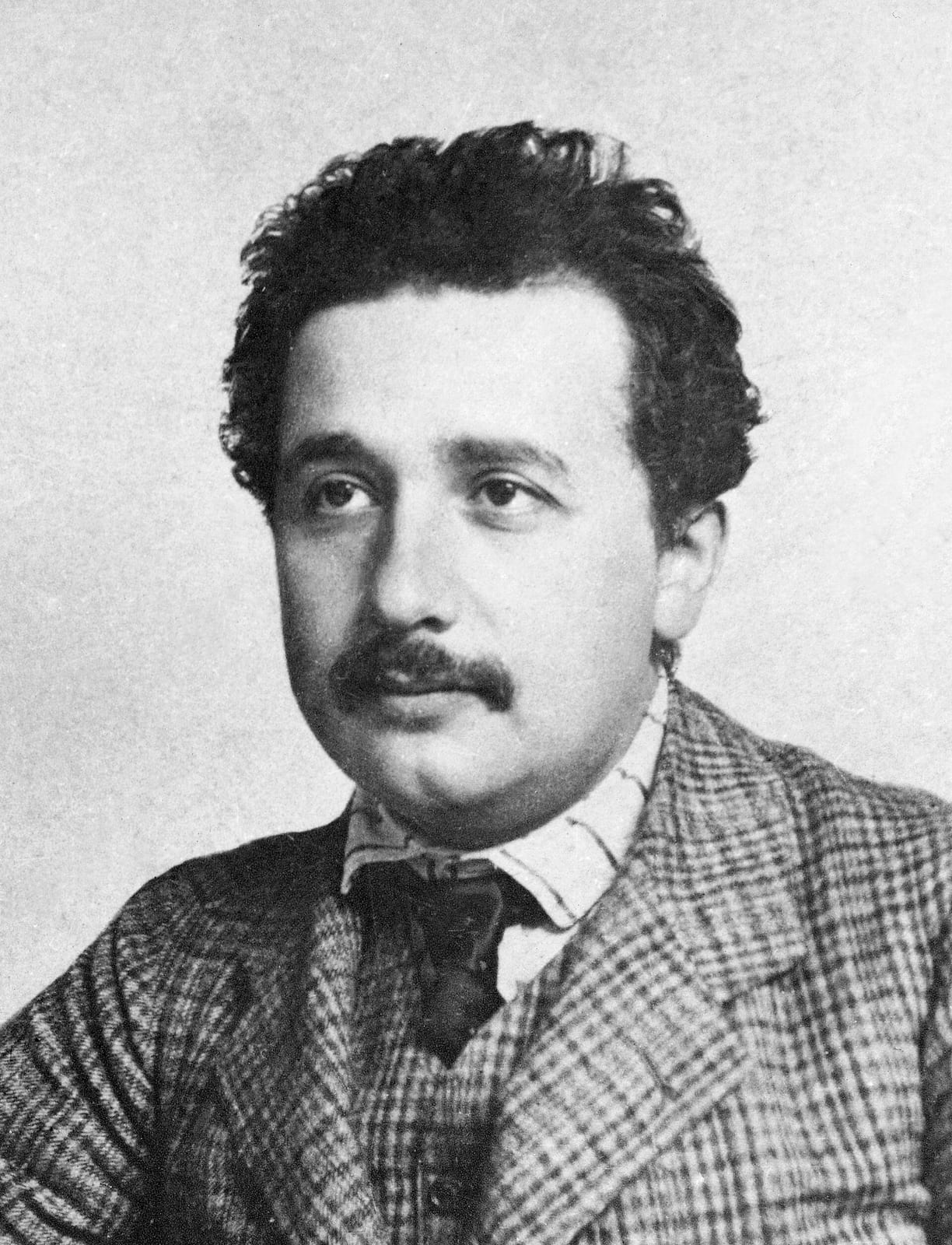
In 1905, Albert Einstein worked at the Swiss patent office in Bern while publishing papers that confronted several different problems in physics. The setting has encouraged a comforting myth of an outsider overturning science through intuition alone. Einstein was, however, a trained physicist working with difficult existing questions. His achievement was not that he ignored what other people knew. It was that he reconsidered assumptions so familiar that they could disappear into the background of an argument.
One paper treated light as if its energy could be exchanged in discrete portions. That proposal helped explain the photoelectric effect, in which light striking a material can eject electrons. A wave description had explained much about light, so the new idea did not fit comfortably into a simple replacement story. It opened a problem about how different experiments revealed different aspects of the same phenomenon. Einstein’s Nobel recognition would specifically emphasize the photoelectric law, not award him a prize for relativity.

Keep reading in Yester
Coming soon to the App Store
Keep following the story
Sources
Image: Lucien Chavan [ 1 ] (1868 - 1942), a friend of Einstein's when he was living in Berne.