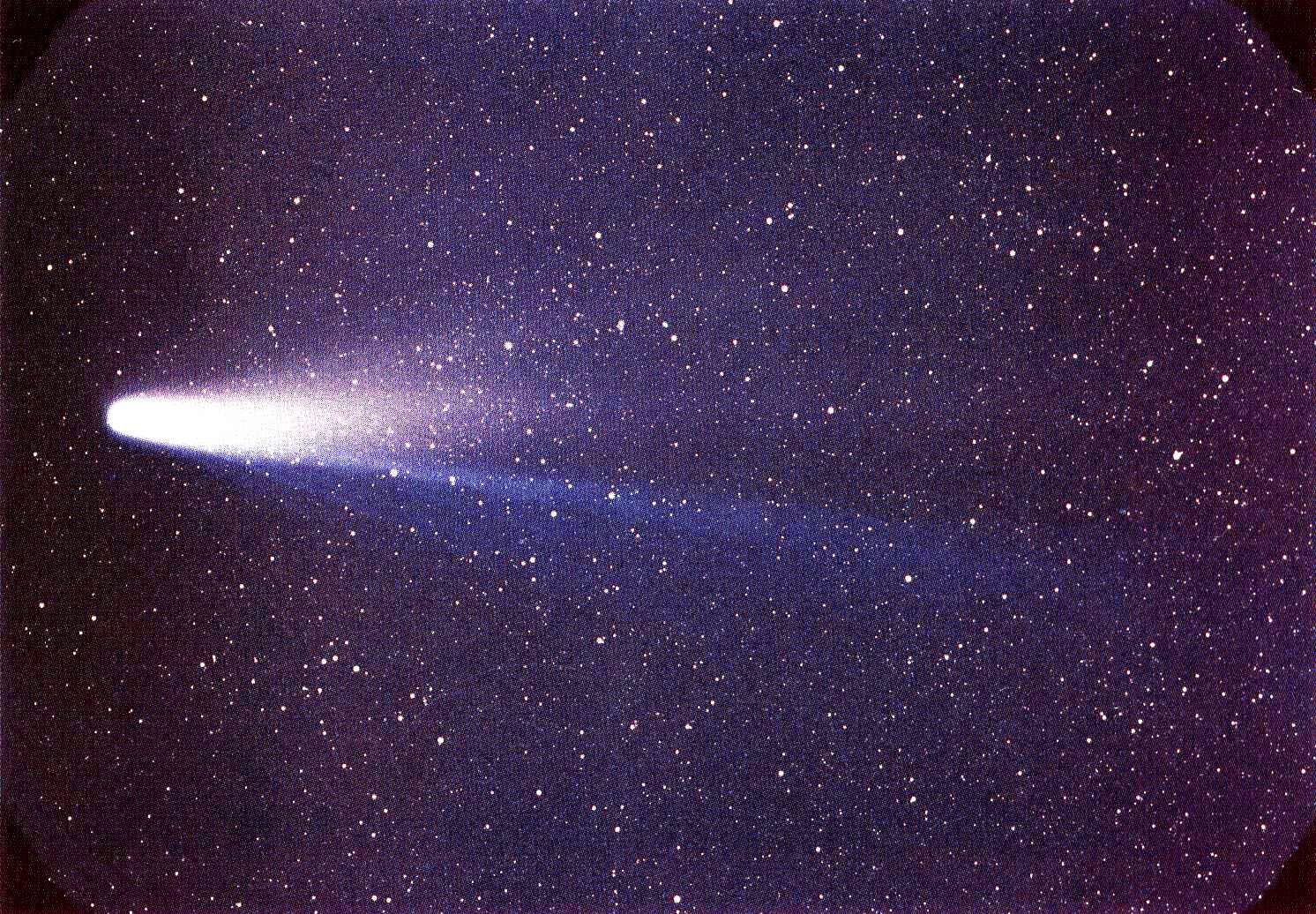
Spacecraft Meet Halley’s Comet
An international fleet of probes flew past the comet during its return.
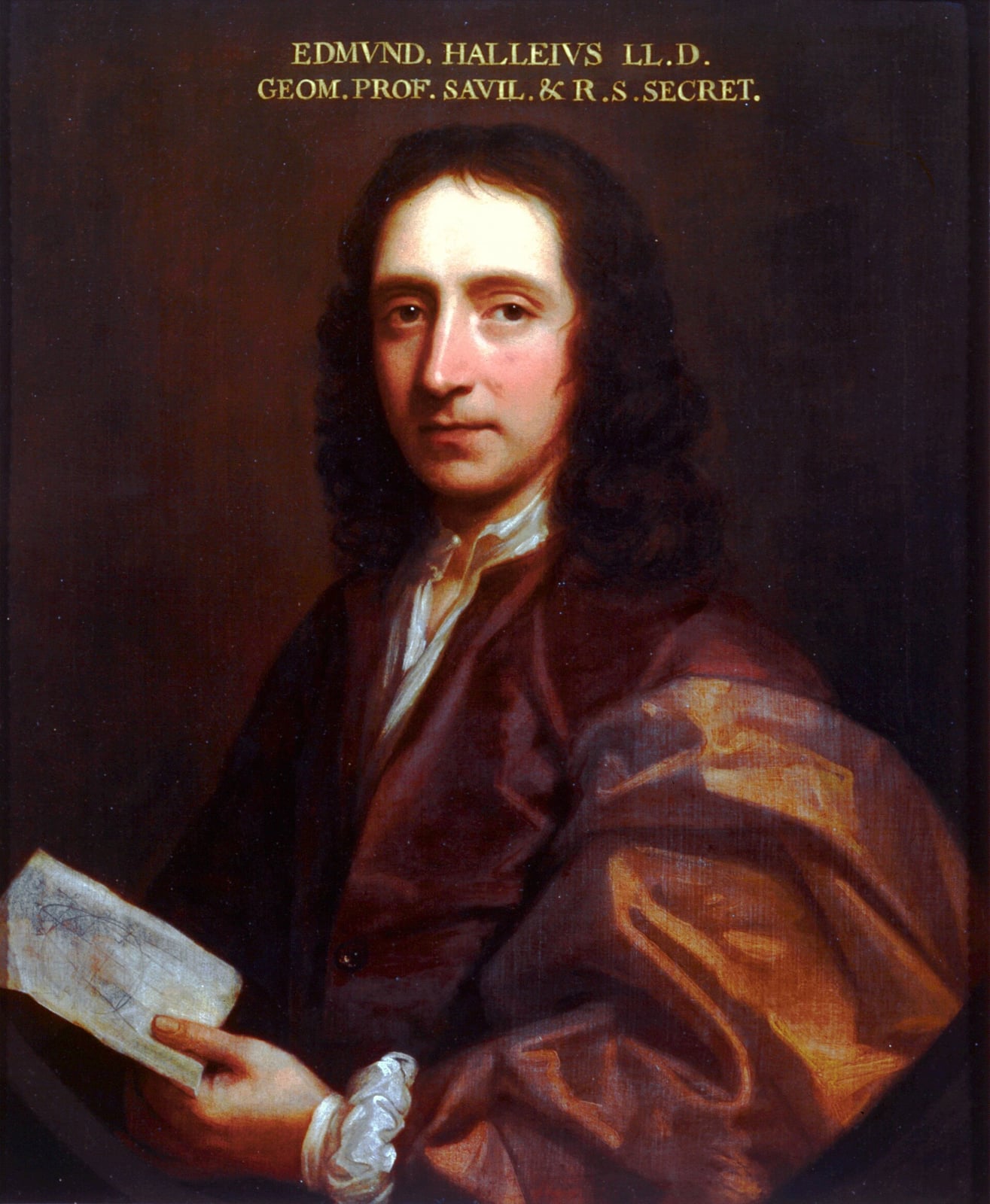
In March 1986, an international armada of spacecraft converged on Halley's Comet as it swept through the inner Solar System. Although chroniclers worldwide had recorded the object across millennia, Edmond Halley first recognized in 1705 that appearances occurring roughly every seventy-six years were returns of the same body. The 1986 return presented difficult viewing conditions from Earth because the comet and the planet sat on opposite sides of the Sun in February, but the passage offered scientists their first opportunity to examine a cometary nucleus directly from robotic probes.
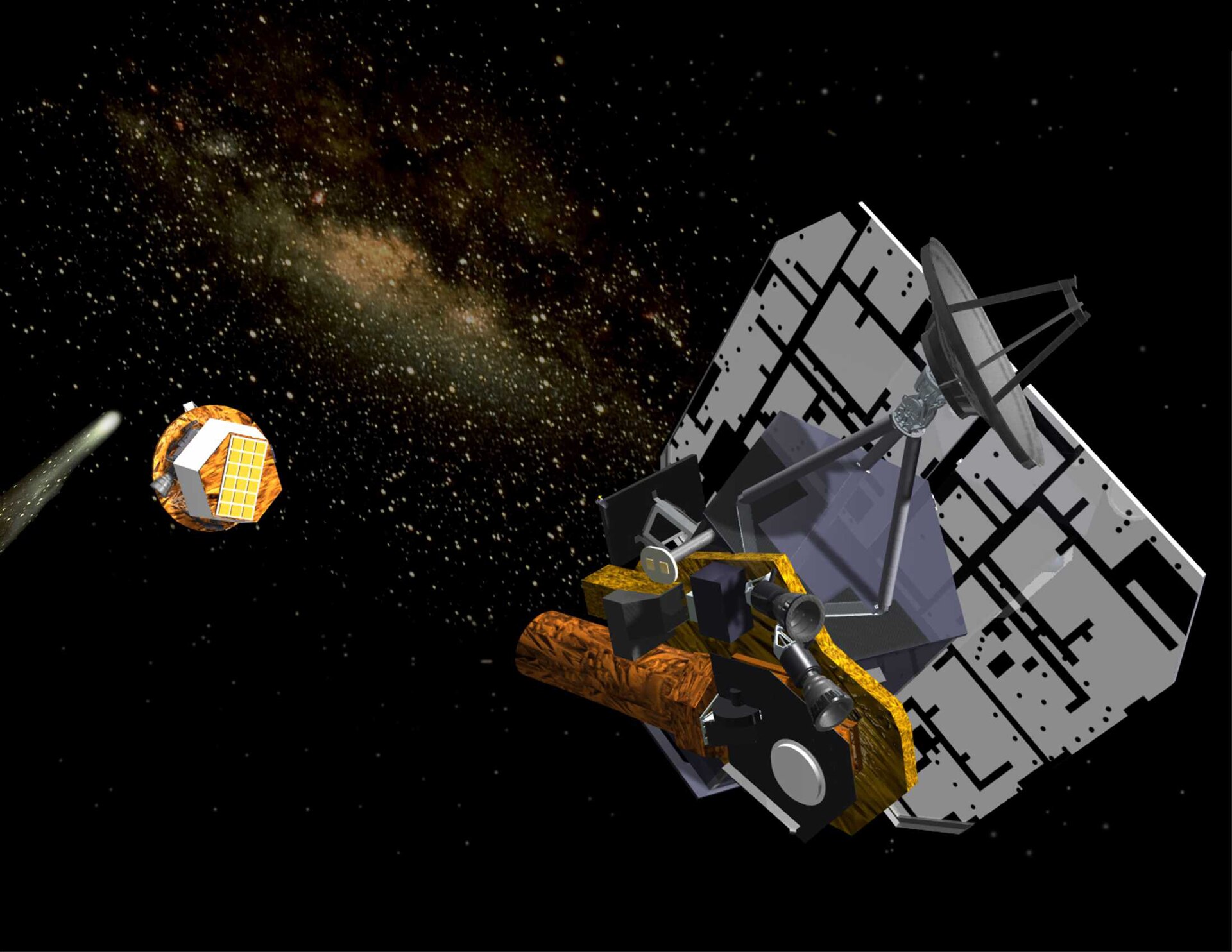
The multi-nation flotilla carried diverse instruments to measure the comet. The Soviet Union sent Vega 1 and Vega 2, which flew past the nucleus on 6 and 9 March at distances of 8,890 kilometers and 8,030 kilometers, respectively. Vega 1 returned the first direct photographs of the nucleus, establishing its physical shape and thermal characteristics. Two Japanese probes, Suisei and Sakigake, joined the campaign, while the repurposed International Cometary Explorer made distant measurements, passing between the Sun and the comet in late March.

Keep reading in Yester
Coming soon to the App Store
Keep following the story
Sources
- 1P/Halley (NASA Science)
- Giotto overview (European Space Agency)
- Giotto 20 years on (ESA Science and Technology)
- The Halley Multicolour Camera (University of Bern, Space Research and Planetary Sciences)
- Giotto Halley Multicolour Camera results (Max Planck Institute for Solar System Research)
- ISEE 3 / ICE spacecraft record (NASA Space Science Data Coordinated Archive)
- Balsiger, Altwegg and Geiss 1995, D/H and 18O/16O ratio in the hydronium ion and in neutral water from in situ ion measurements in comet Halley (EarthRef.org reference record, Journal of Geophysical Research)
- Halley's Comet
Image: NASA/W. Liller