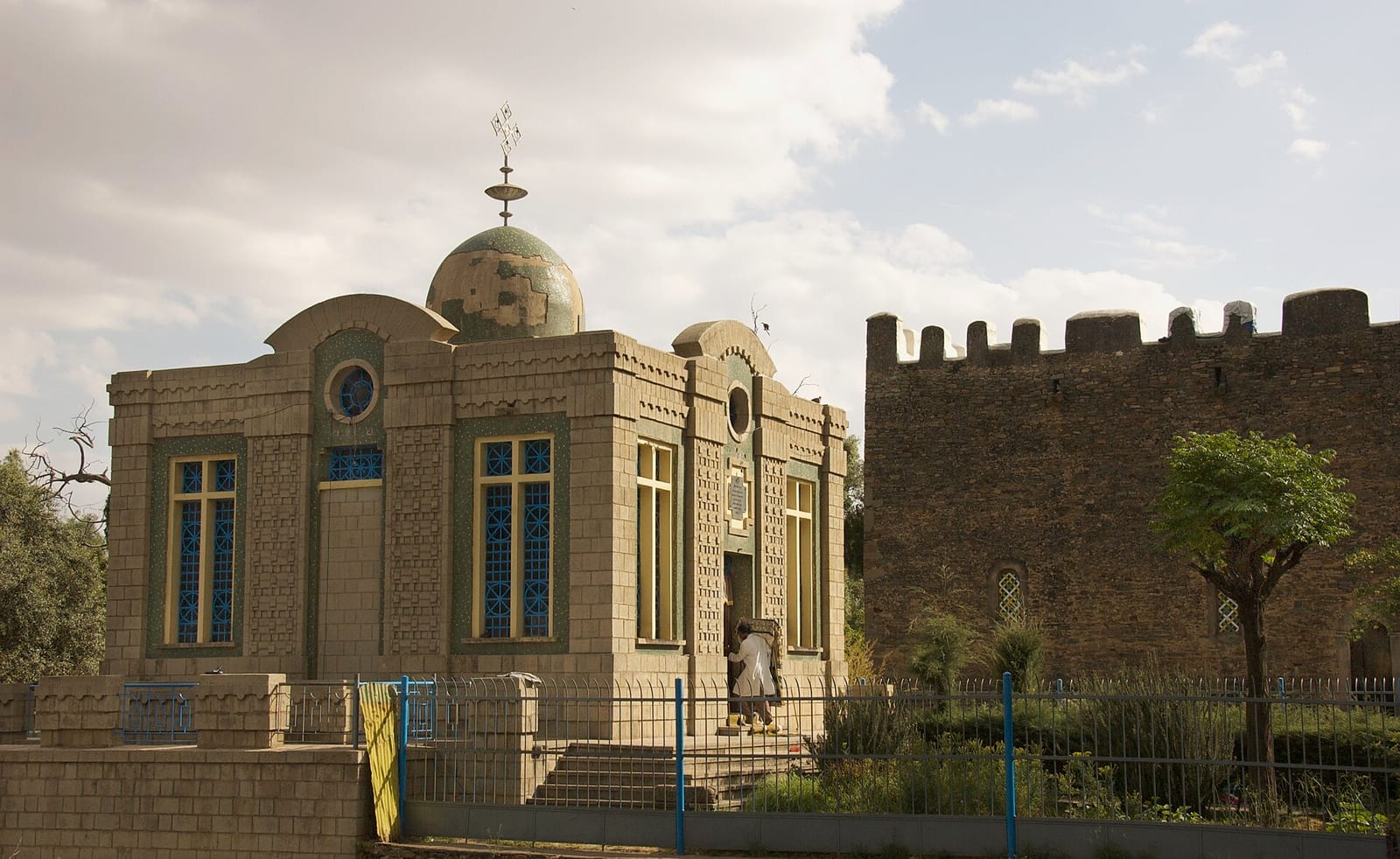
The Kebra Nagast Tells Ethiopia’s Story of Solomon and Sheba
A Ge’ez text gave Ethiopia’s monarchy a sacred origin story.
In fourteenth-century Ethiopia, a comprehensive national narrative emerged to place the realm at the centre of biblical history. Written in the classical liturgical language of Ge'ez, the Kebra Nagast, or The Glory of the Kings, compiled genealogies, debates, and legends into an overarching foundation story. The work was composed or compiled in its surviving form between about 1314 and 1322, with traditions crediting it to Nebure Id Yeshaq of Aksum along with a circle of local clerics. Through 117 interconnected chapters, the text supplied a religious and legal pedigree for the Christian monarchs who governed the highland empire.
The centrepiece of the epic recounts the journey of the Ethiopian queen Makeda, known traditionally as the Queen of Sheba, to Jerusalem. Inspired by accounts of the wisdom of King Solomon, she traveled to his royal court and embraced the worship of the God of Israel. Before her return home, Solomon fathered a child with her. Makeda bore a son, Menelik I, who later journeyed back to Jerusalem as a young man to meet his father. Upon Menelik's departure, a retinue of the first-born sons of the elders of Israel accompanied him, carrying away the Ark of the Covenant from the Jerusalem Temple to Ethiopia.

Keep reading in Yester
Coming soon to the App Store
Keep following the story

Sources
Image: A. Davey from Where I Live Now: Pacific Northwest